The day a child leaves home for college, university or another opportunity is a major milestone for both parents and teenagers. For years, parents have been involved in everyday routines, from reminding children about important tasks to helping them make decisions and solve problems. When a young person begins living away from home, however, many of these responsibilities gradually become their own.
Preparing a teenager for this transition involves more than choosing the right college or packing the right belongings. A child who is academically prepared but has never managed their own time, money or everyday responsibilities may find the adjustment difficult.
The good news is that independence does not need to be taught all at once. Parents can gradually introduce important life skills while their teenager is still at home. This gives young people the opportunity to practise, make small mistakes and build confidence before they begin managing life more independently.
Teach Them How to Manage Their Time
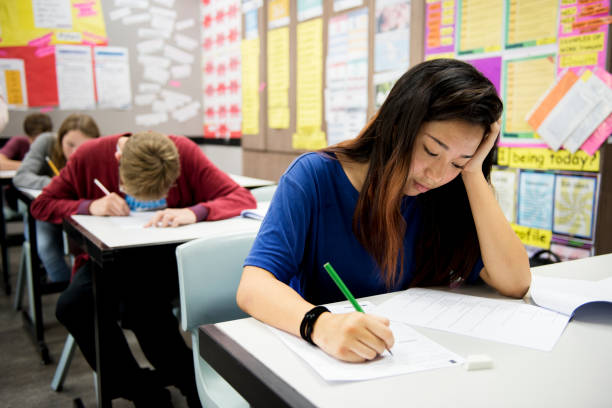
When teenagers live at home, parents often help create structure. They may remind them to wake up, attend classes, complete assignments or prepare for important events. Once they move away, that responsibility becomes much more personal.
Before your child leaves home, encourage them to manage their own schedule. They should know how to keep track of classes, deadlines, appointments and other commitments. A simple planner, calendar or digital reminder can help them organise their responsibilities.
Time management is also about understanding priorities. Teenagers should learn that they cannot always do everything at once. Sometimes they will need to complete an assignment instead of spending hours online or attending every social activity.
Parents do not need to control every part of their child's schedule. Instead, allow them to practise managing their time and experience the results of both good and poor planning.
Teach Basic Money Management
Living away from home often gives teenagers more control over their spending. They may receive a monthly allowance, manage everyday expenses or make independent purchasing decisions for the first time.
Before they leave, teach them the basics of budgeting. They should understand how much money they have available and where it is being spent. Encourage them to distinguish between essential expenses and things they simply want.
Teenagers should also understand that small purchases can quickly add up. Ordering food frequently, shopping impulsively or spending without keeping track can create problems later.
You do not need to turn every conversation into a financial lesson. Even allowing your teenager to manage part of their own pocket money can provide useful experience. If they spend everything too quickly, a manageable mistake can teach them more than repeated warnings.
They should also understand basic digital payment safety and the importance of protecting passwords and other financial information.
Make Sure They Can Handle Everyday Tasks
A teenager does not need to become an expert cook or know how to manage an entire household before leaving home. However, they should be comfortable handling basic everyday tasks.
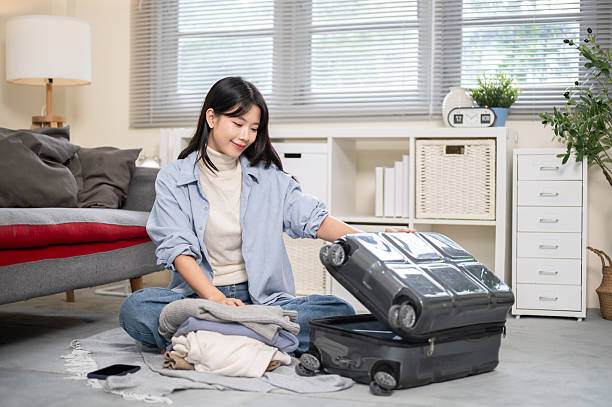
Teach them how to do laundry, keep their living space reasonably organised and take care of their belongings. They should know how to prepare a few simple meals and understand basic food storage and hygiene.
These skills may appear ordinary, but they can make a significant difference when a young person is adjusting to a new environment. A student who has never done laundry, organised their belongings or prepared even a basic meal may feel overwhelmed by tasks that are easily manageable with some prior experience.
The best approach is to involve teenagers gradually rather than suddenly giving them a long list of responsibilities just before they leave.
Encourage Them to Solve Problems
Parents naturally want to help when their children face difficulties. However, living away from home means teenagers will often encounter problems that they need to handle themselves.
They may lose something, misunderstand an assignment, have a disagreement with a roommate or face an unexpected practical problem. Before immediately offering a solution, encourage your child to think through the situation.
Ask questions such as: What do you think you can do? What are your options? Is there someone appropriate you can ask for help?
This does not mean teenagers should handle everything alone. An important part of independence is also knowing when to seek advice and support. The goal is to help them become confident problem-solvers rather than expecting parents to provide an immediate answer to every challenge.
Teach Them How to Communicate With Others
When living away from home, teenagers will need to communicate with professors, administrators, landlords, service providers, roommates and other adults. Parents may no longer be present to handle every conversation on their behalf.
Encourage your child to communicate for themselves whenever appropriate. They should know how to write a polite email, ask clear questions and explain a problem respectfully.
They should also understand that communication involves listening. Living with new people can sometimes involve disagreements or misunderstandings. Learning how to express concerns calmly and listen to another person's perspective can prevent many unnecessary conflicts.
These skills will also be valuable beyond college. Clear and respectful communication is important in internships, workplaces and professional relationships.
Help Them Make Decisions Independently
Living away from home means making many decisions, both large and small. Teenagers may need to decide how to spend their time, manage their workload, choose activities and handle social situations.
Parents can prepare them by giving them opportunities to make decisions before they leave home. Discuss important choices together, but avoid making every decision for them.
Not every decision will be perfect, and that is part of the learning process. A young person needs to understand that responsible decision-making does not mean always knowing the right answer. It means gathering information, considering options and thinking about possible consequences.
When teenagers are allowed to make manageable mistakes, they can develop confidence in their own judgement.
Talk About Relationships and Boundaries
Living away from home introduces young people to new friendships, relationships and social environments. Teenagers may meet people with different backgrounds, personalities and lifestyles.
Parents can help by discussing healthy relationships before their child leaves home. Encourage them to choose friendships that are respectful and supportive. They should understand that being friendly does not mean agreeing to everything or allowing others to cross personal boundaries.
Teach your teenager that it is acceptable to say no, communicate discomfort and step away from situations that do not feel right. They should also respect the boundaries and choices of others.
Open conversations at home can help teenagers feel more comfortable seeking guidance if they encounter difficult social situations later.
Teach Them to Take Care of Their Well-Being
When teenagers live independently, they become more responsible for their everyday routines. It is easy for students to neglect sleep, eat poorly or become overwhelmed when they are busy and adjusting to a new environment.
Parents can encourage simple habits such as maintaining a reasonably healthy routine, getting adequate rest and balancing academic responsibilities with relaxation and social activities.
The goal is not to expect teenagers to follow a perfect lifestyle. College and independent living will naturally involve busy periods and changing routines. However, understanding the importance of basic self-care can help young people recognise when they need to slow down and take better care of themselves.
They should also understand that independence does not mean pretending everything is fine when they are struggling. Knowing when to reach out to family, friends or appropriate support systems is an important life skill.
Allow Them to Experience Small Consequences
One of the hardest parts of preparing a child for independence is allowing them to make mistakes. Parents naturally want to protect their children from disappointment, but constantly rescuing them from every small problem can prevent valuable learning.
If your teenager forgets a minor responsibility, spends their money carelessly or fails to plan properly, consider whether they need an immediate rescue or whether the experience itself can teach them something.
Of course, parents should provide support when safety or serious consequences are involved. Independence does not mean abandoning a child when they need help.
However, allowing teenagers to handle manageable consequences can teach accountability and prepare them for situations where parents may not be physically present to solve the problem.
Keep Communication Open Without Controlling Everything
Once your child moves away, your relationship may change. Parents may feel tempted to call repeatedly, check every decision or continue managing life from a distance. While staying connected is important, teenagers also need space to develop confidence in their independence.
Before they leave, discuss how you will stay in touch. Let them know that they can always contact you for support, advice or simply a conversation.
At the same time, try to avoid making every interaction feel like an inspection. Ask about their experiences, listen to what they share and allow them to develop their own routines.
A strong relationship can continue even when the nature of daily support changes.
Final Thoughts
Preparing your child to live away from home is not about teaching them everything before they leave. It is about giving them enough practical skills, confidence and responsibility to begin managing life independently while knowing that support is still available when they genuinely need it.