
Agritech Developer
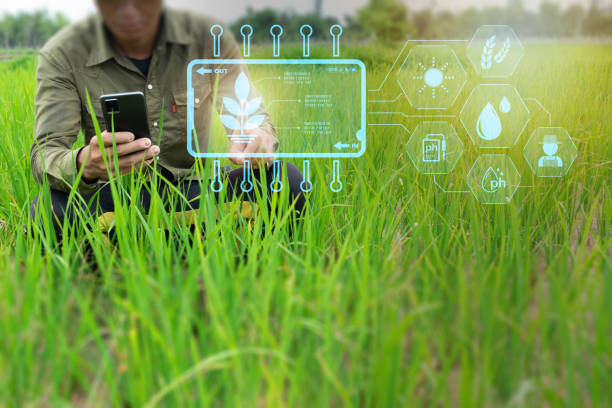
An AgriTech Developer is a professional dedicated to designing, developing, and maintaining technology solutions that enhance agricultural productivity, sustainability, and efficiency through digital platforms, such as precision farming apps, crop monitoring systems, or farm management software. They work in sectors such as agriculture, technology, agricultural equipment, and research, collaborating with farmers, agronomists, data scientists, product managers, and software teams. AgriTech Developers play a critical role in transforming agriculture in a world increasingly focused on sustainable farming, food security, and agricultural innovation.
Career Description
AgriTech Developers are technical experts who build and optimize software applications to address agricultural challenges, enhance crop yields, and streamline farming processes through tools like IoT sensors, drone analytics, or AI-driven crop prediction systems. Their role involves coding, testing, and system integration, often working in settings such as AgriTech startups, agricultural companies, tech firms, or remote environments. They combine expertise in software development, agricultural science, and data analytics to tackle issues like crop disease detection, weather prediction, and resource optimization. As key contributors to agricultural innovation, they help organizations and societies thrive in an era prioritizing sustainable agriculture, food security, and improved farming outcomes.
Roles and Responsibilities
Agricultural Software Development
- Design and develop software applications for agricultural purposes, such as farm management platforms, crop monitoring systems, or livestock tracking apps
- Write clean, efficient, and scalable code to ensure functionality and reliability of AgriTech solutions
- Create mobile and web applications for farmers to access real-time agricultural data and insights
IoT and Sensor Integration
- Integrate AgriTech applications with IoT devices, sensors, and agricultural equipment for real-time monitoring
- Develop systems for collecting and processing data from soil sensors, weather stations, and drone imagery
- Ensure seamless connectivity between field devices and cloud-based agricultural platforms
Data Analytics and AI Implementation
- Implement machine learning algorithms for crop yield prediction, disease detection, and pest management
- Develop data visualization tools to help farmers make informed decisions based on agricultural analytics
- Create predictive models for weather patterns, market prices, and optimal planting schedules
Precision Agriculture Solutions
- Build GPS-guided farming applications for precise seed planting, fertilizer application, and harvesting
- Develop variable rate technology systems for optimized resource utilization across different field zones
- Create mapping and geospatial analysis tools for field boundary management and crop monitoring
Supply Chain and Market Integration
- Develop platforms connecting farmers directly with buyers, reducing intermediary costs
- Build inventory management systems for agricultural products and equipment
- Create price tracking and market analysis tools for agricultural commodities
Sustainability and Resource Management
- Design water management systems for efficient irrigation and conservation
- Develop carbon footprint tracking applications for sustainable farming practices
- Create renewable energy management systems for solar-powered agricultural operations
Testing and Quality Assurance
- Conduct rigorous testing in various agricultural environments to ensure software reliability
- Perform field testing with farmers to validate application effectiveness and usability
- Debug and optimize applications for performance under diverse agricultural conditions
Maintenance and Support
- Monitor and maintain AgriTech applications to ensure uptime during critical farming seasons
- Update systems to accommodate new agricultural practices, regulations, or technological advancements
- Provide technical support to farmers and agricultural professionals using the software
Study Route & Eligibility Criteria
| Route | Steps |
| Route 1 | 1. 10+2 with Science (Mathematics/Computer Science/Agriculture) or relevant subjects 2. Bachelor's degree in Computer Science, Information Technology, or Agricultural Engineering (3-4 years) 3. Gain practical experience through internships or projects in software or AgriTech roles (3-6 months) 4. Pursue entry-level roles like Junior AgriTech Developer or Software Engineer (AgriTech) (1-2 years) |
| Route 2 | 1. 10+2 with Science (Mathematics/Computer Science/Agriculture) or relevant subjects 2. Bachelor's degree in Computer Science, IT, or Agricultural Engineering (3-4 years) 3. Master's degree in Agricultural Informatics, Computer Science, or MBA (AgriTech Focus) (2 years, optional) 4. Work in software development or agricultural systems roles to gain experience (1-2 years) 5. Transition to AgriTech Developer roles in agriculture or tech sectors |
| Route 3 | 1. 10+2 with Science (Mathematics/Computer Science/Agriculture) or relevant subjects 2. Bachelor's degree in Computer Science, Engineering, or Agricultural Science (3-4 years) 3. Pursue professional certifications like Certified Agricultural Technology Professional (CATP) or IoT in Agriculture Specialist (1-2 years) 4. Gain hands-on experience through roles in software development or AgriTech projects (1-2 years) 5. Establish a career as an AgriTech Developer in agricultural services or startup sectors |
| Route 4 | 1. 10+2 with Science (Mathematics/Computer Science/Agriculture) or relevant subjects 2. Bachelor's degree from India in Computer Science, IT, or Agricultural Engineering (3-4 years) 3. Pursue international certifications or advanced degrees in AgriTech or precision agriculture abroad (1-2 years) 4. Gain exposure through roles in global AgriTech firms or agricultural technology companies (1-2 years) 5. Work as an AgriTech Developer in international markets or global agricultural organizations |
Significant Observations (Academic Related Points)
- Technical Foundation: Strong knowledge of computer science or IT is essential for mastering AgriTech software development
- Agricultural Knowledge: Understanding of farming practices, crop cycles, and agricultural challenges enhances solution effectiveness
- Practical Skills: Hands-on training in coding and agricultural systems builds core competencies in AgriTech solutions
- Specialized Certifications: Credentials in agricultural technology or precision farming enhance professional credibility
- Industry Expertise: Familiarity with agricultural trends and tech innovations is crucial for relevant application development
- Data Analytics Focus: Understanding of data science and machine learning is increasingly important for modern AgriTech
- IoT Integration: Knowledge of Internet of Things and sensor technologies is vital for field-based applications
- Continuous Learning: Regular training is needed to keep up with evolving AgriTech technologies and farming practices
- Global Awareness: Knowledge of international agricultural standards opens opportunities for cross-border roles
- Sustainability Focus: Understanding of sustainable farming practices and environmental impact is increasingly important
- Entrance Exam Preparation: Admission to certain programs or competitive roles may require clearing entrance tests
Internships & Practical Exposure
- Mandatory practical training during degree programs in agricultural or technology units for real-world insights
- Rotations in AgriTech startups or agricultural research institutions for hands-on experience in app development
- Internships under senior AgriTech developers or agricultural engineers for exposure to real-time farming tech projects
- Field attachments in progressive farms or agricultural cooperatives for understanding ground-level farming challenges
- Participation in agricultural hackathons, coding competitions, and AgriTech challenges for practical skill development
- Training in IoT devices, sensors, and agricultural equipment through real-world engagements in farming projects
- Exposure to precision agriculture tools, drone technology, and satellite imagery during internships
- Field projects on crop monitoring systems, weather prediction apps, or farm management platforms during training
- Community outreach programs to engage with smallholder farmers and understand AgriTech needs at grassroots level
- International AgriTech project attachments for global exposure to diverse agricultural challenges and practices
Courses & Specializations to Enter the Field
- Certificate in AgriTech Development
- Bachelor's in Computer Science, Information Technology, or Agricultural Engineering
- Master's in Agricultural Informatics, Precision Agriculture, or MBA (AgriTech Focus)
- Ph.D. in Agricultural Technology or Software Engineering
- Specialization in Precision Agriculture Systems
- Certification in IoT for Agriculture
- Workshops on Farm Management Software Development
- Training in AI for Crop Analytics and Prediction
- Specialization in Drone Technology for Agriculture
- Certification in Sustainable Agriculture Technology
Top Institutes for AgriTech Developer Education (India)
| Institute | Course/Program | Official Link |
| Indian Institute of Technology (IIT), Kharagpur | B.Tech/M.Tech in Computer Science/Agricultural Engineering | https://www.iitkgp.ac.in/ |
| Indian Institute of Technology (IIT), Delhi | B.Tech/M.Tech in Computer Science/Agricultural Engineering | https://www.iitd.ac.in/ |
| Indian Institute of Technology (IIT), Bombay | B.Tech/M.Tech in Computer Science/Agricultural Engineering | https://www.iitb.ac.in/ |
| Indian Agricultural Research Institute (IARI), New Delhi | M.Tech in Agricultural Engineering/Computer Applications | https://www.iari.res.in/ |
| Tamil Nadu Agricultural University (TNAU), Coimbatore | B.Tech/M.Tech in Agricultural Engineering/IT | https://www.tnau.ac.in/ |
| Punjab Agricultural University (PAU), Ludhiana | B.Tech/M.Tech in Agricultural Engineering/Computer Science | https://www.pau.edu/ |
| University of Agricultural Sciences (UAS), Bangalore | B.Tech/M.Tech in Agricultural Engineering | https://www.uasbangalore.edu.in/ |
| Indian Institute of Information Technology (IIIT), Hyderabad | B.Tech/M.Tech in Computer Science | https://www.iiit.ac.in/ |
| Birla Institute of Technology and Science (BITS), Pilani | B.E./M.E. in Computer Science/Agricultural Engineering | https://www.bits-pilani.ac.in/ |
| Amity University, Noida | B.Tech/M.Tech in IT & AgriTech | https://www.amity.edu/ |
Top International Institutes
| Institution | Course | Country | Official Link |
| Wageningen University & Research | MS in Computer Science/Agricultural Technology | Netherlands | https://www.wur.nl/ |
| University of California, Davis | BS/MS in Computer Science/Agricultural Engineering | USA | https://www.ucdavis.edu/ |
| Cornell University | BS/MS in Computer Science/Agricultural Engineering | USA | https://www.cornell.edu/ |
| Iowa State University | BS/MS in Agricultural Engineering/Computer Science | USA | https://www.iastate.edu/ |
| University of Nebraska-Lincoln | MS in Agricultural Engineering/Computer Science | USA | https://www.unl.edu/ |
| Harper Adams University | BSc/MSc in Agricultural Engineering/Computer Science | UK | https://www.harper-adams.ac.uk/ |
| Technical University of Munich (TUM) | MS in Agricultural Engineering/Informatics | Germany | https://www.tum.de/ |
| University of Melbourne | MS in Agricultural Engineering/Computer Science | Australia | https://www.unimelb.edu.au/ |
| Swedish University of Agricultural Sciences | MS in Agricultural Technology/Computer Science | Sweden | https://www.slu.se/ |
| ETH Zurich | MS in Agricultural Sciences/Computer Science | Switzerland | https://ethz.ch/ |
Entrance Tests Required
India:
- JEE Main/JEE Advanced: For admissions in B.Tech programs at IITs and other top engineering institutes
- GATE (Graduate Aptitude Test in Engineering): For admissions in M.Tech programs in Computer Science or Agricultural Engineering
- ICAR AIEEA: For admissions in agricultural engineering programs at agricultural universities
- BITSAT (Birla Institute of Technology and Science Admission Test): For admissions in B.E. programs at BITS Pilani
- CAT (Common Admission Test): For admissions in MBA programs with AgriTech focus
International:
- SAT/ACT: Required for undergraduate admissions in computer science or agricultural engineering programs in the USA and Canada
- GRE (Graduate Record Examination): Required for MS/Ph.D. programs in computer science or agricultural technology
- TOEFL (Test of English as a Foreign Language): Minimum score of 80-100 required for non-native speakers
- IELTS (International English Language Testing System): Minimum score of 6.0-7.0 required for admission to universities in English-speaking countries
Ideal Progressing Career Path
Junior AgriTech Developer → AgriTech Developer → Senior AgriTech Developer → AgriTech Lead Developer → AgriTech Solutions Architect → Chief Technology Officer (AgriTech Focus) → Academician/Independent Consultant
Major Areas of Employment
- Agricultural technology startups for developing precision farming platforms, crop monitoring apps, and farm management systems
- Agricultural equipment manufacturers for integrating software with tractors, harvesters, and irrigation systems
- Food processing and supply chain companies for building traceability and quality management systems
- Government and public sector for supporting digital agriculture initiatives and farmer welfare programs
- Agricultural research institutions for developing innovative farming technologies and data analytics tools
- Fertilizer and seed companies for creating application optimization and crop recommendation systems
- Agricultural consulting firms for advising farmers on technology adoption and digital transformation
- Insurance sector for designing crop insurance platforms and risk assessment tools
- Commodity trading companies for building market analysis and price prediction systems
- Sustainable agriculture organizations for developing environmental monitoring and carbon tracking solutions
Prominent Employers
| India | International |
| CropIn, Bangalore | John Deere, USA |
| Ninjacart, Bangalore | Trimble Agriculture, USA |
| DeHaat, Patna | Climate Corporation (Bayer), USA |
| AgroStar, Pune | Yara International, Norway |
| BigHaat, Bangalore | AGCO Corporation, USA |
| Stellapps, Bangalore | CNH Industrial, Netherlands |
| Intello Labs, Gurgaon | Syngenta, Switzerland |
| Fasal, Bangalore | Corteva Agriscience, USA |
| Cropin, Bangalore | Indigo Agriculture, USA |
| EM3 AgriServices, Pune | Farmers Edge, Canada |
Pros and Cons of the Profession
| Pros | Cons |
| Direct impact on food security by creating innovative, efficient, and sustainable agricultural solutions | Seasonal nature of agriculture can create irregular workloads and project timelines |
| Growing demand due to increasing focus on sustainable agriculture and precision farming globally | Challenges in working with diverse farming communities and varying levels of technology adoption |
| Opportunity to contribute to critical sectors like food production, rural development, and environmental sustainability | Need to understand complex agricultural processes and regional farming variations |
| Varied career paths in software development, agricultural innovation, and international markets | Weather dependency and field conditions can affect testing and implementation of solutions |
| Potential for societal change through improved farming productivity and rural livelihoods | Limited immediate visibility of impact, as agricultural changes often require full crop cycles to assess |
Industry Trends and Future Outlook
- Precision Agriculture Growth: Rapid adoption of GPS-guided farming and variable rate technology in India
- Government Support: Policies like Digital India and PM-KISAN promoting AgriTech innovation
- AI in Agriculture: Increasing use of artificial intelligence for crop monitoring and yield prediction
- Drone Technology: Growing adoption of agricultural drones for crop surveillance and spraying
- Climate-Smart Agriculture: Focus on technology solutions for climate change adaptation in farming
- Vertical Farming: Rising interest in controlled environment agriculture and urban farming solutions
- Blockchain in Agriculture: Implementation of blockchain for supply chain transparency and traceability
- Sustainable Farming: Emphasis on technology for organic farming and reduced chemical usage
- Rural Connectivity: Improving internet infrastructure enabling wider AgriTech adoption in rural areas
- Skill Development: High demand for AgriTech developers driving specialized training programs
Salary Expectations
| Career Level | India (₹ per annum) | International (USD per annum) |
| Junior AgriTech Developer (Early Career) | 4,00,000 - 8,00,000 | 45,000 - 65,000 |
| AgriTech Developer | 8,00,000 - 15,00,000 | 65,000 - 90,000 |
| Senior AgriTech Developer | 15,00,000 - 22,00,000 | 90,000 - 120,000 |
| AgriTech Lead Developer/Solutions Architect | 22,00,000 - 32,00,000 | 120,000 - 150,000 |
| Chief Technology Officer (AgriTech)/Consultant | 32,00,000 - 45,00,000+ | 150,000 - 200,000+ |
Note: Salaries may vary based on location, employer, experience, and industry. Indian figures are updated estimates based on current industry trends, AgriTech pay scales, and private sector data as of 2025. International figures are based on data from the U.S., Europe, and developed agricultural markets, adjusted for market trends in AgriTech developer roles.
Key Software Tools
- Programming Environments (e.g., Visual Studio Code, PyCharm) for coding AgriTech applications
- IoT Platforms (e.g., Arduino IDE, Raspberry Pi) for sensor integration and field device programming
- GIS Software (e.g., QGIS, ArcGIS) for mapping and geospatial analysis in precision agriculture
- Database Tools (e.g., PostgreSQL, MongoDB) for managing agricultural data and farm records
- Cloud Platforms (e.g., AWS IoT, Google Cloud) for hosting scalable AgriTech applications
- Machine Learning Frameworks (e.g., TensorFlow, Scikit-learn) for crop prediction and analytics
- Mobile Development Tools (e.g., React Native, Flutter) for creating farmer-friendly mobile apps
- Data Visualization Tools (e.g., Tableau, Power BI) for agricultural data analysis and reporting
- Version Control Systems (e.g., Git, GitHub) for collaborative code management
- Agricultural Simulation Software (e.g., DSSAT, APSIM) for crop modeling and yield prediction
Professional Organizations and Networks
- Indian Society of Agricultural Engineers (ISAE)
- AgriTech India Association
- Indian Council of Agricultural Research (ICAR)
- International Society of Precision Agriculture (ISPA), Global
- American Society of Agricultural and Biological Engineers (ASABE), USA
- European Society for Agricultural Engineers (EurAgEng), Europe
- Australian Society for Engineering in Agriculture (SEAg), Australia
- International Association of Agricultural Economists (IAAE), Global
- World Food Programme Innovation Accelerator, Global
Notable Leaders in AgriTech (Top 10)
- Krishna Kumar (Contemporary, India): CEO of CropIn, known for pioneering farm management platforms. His innovation transforms agriculture. His leadership drives impact. He shaped Indian AgriTech.
- Thirukumaran Nagarajan (Contemporary, India): Co-founder of Ninjacart, known for agricultural supply chain solutions. His platform connects farmers to markets. His leadership builds efficiency. He influenced Indian AgriTech.
- Shashank Kumar (Contemporary, India): Co-founder of DeHaat, known for comprehensive farmer services platforms. His solutions empower farmers. His leadership drives growth. He advanced Indian AgriTech.
- Shardul Sheth (Contemporary, India): Co-founder of AgroStar, known for digital farming advisory platforms. His tech improves farming practices. His leadership fosters innovation. He influenced Indian AgriTech.
- Raman Roy (Contemporary, India): Founder of Stellapps, known for dairy technology and IoT solutions. His innovation digitizes dairy farming. His leadership transforms agriculture. He shaped Indian AgriTech.
- Dan Kittredge (Contemporary, USA): Founder of Bionutrient Food Association, known for soil health technology. His research improves crop quality. His leadership drives sustainability. He influenced global AgriTech.
- Sara Menker (Contemporary, USA): Founder of Gro Intelligence, known for agricultural data analytics. Her platform provides market insights. Her leadership drives data-driven agriculture. She shaped global AgriTech.
- Kimbal Musk (Contemporary, USA): Co-founder of Square Roots, known for urban farming technology. His solutions promote local food production. His leadership builds sustainable systems. He influenced global AgriTech.
- Jorge Heraud (Contemporary, USA): Co-founder of Blue River Technology (acquired by John Deere), known for AI-powered agricultural robots. His innovation automates farming. His leadership drives precision agriculture. He advanced global AgriTech.
- Dror Bin (Contemporary, Israel): Co-founder of Taranis, known for AI-powered crop monitoring. His technology detects crop issues early. His leadership drives agricultural intelligence. He shaped global AgriTech.
Advice for Aspiring AgriTech Developers
- Build a strong foundation in computer science and gain basic understanding of agricultural practices
- Seek early exposure to farming environments through internships or field visits to understand real-world challenges
- Prepare thoroughly for entrance exams specific to your chosen program or certification requirements
- Pursue certifications in agricultural technology or IoT to gain specialized expertise in AgriTech development
- Stay updated on agricultural trends and technology advancements by following industry publications and conferences
- Develop hands-on skills in programming, data analytics, and IoT through practical projects
- Engage in agricultural hackathons and innovation challenges to build real-world AgriTech solutions
- Join professional associations like ISAE or AgriTech India Association for networking and resources
- Work on problem-solving and communication skills to effectively interact with farming communities
- Explore international AgriTech projects for exposure to diverse agricultural practices and global markets
- Volunteer with agricultural NGOs or farmer organizations to understand grassroots agricultural needs
- Cultivate adaptability to handle varying agricultural conditions and diverse farming practices
- Attend continuing education programs to stay current with emerging AgriTech tools and methodologies
- Build a network with farmers, agronomists, and AgriTech professionals for collaborative opportunities
- Develop resilience to manage the seasonal nature and long development cycles of agricultural projects
- Balance technical expertise with agricultural domain knowledge to create impactful solutions that truly serve farming communities
A career as an AgriTech Developer offers a unique opportunity to contribute to global food security and sustainable agriculture by creating innovative digital solutions across diverse agricultural sectors. From building precision farming platforms to designing AI-driven crop monitoring systems, AgriTech Developers play a pivotal role in modernizing agriculture and improving farmer livelihoods. This field combines expertise in software development, agricultural science, and a commitment to technological innovation, offering diverse paths in agricultural technology development, leadership roles, and international markets. For those passionate about shaping the future of agriculture through digital tools, addressing food security challenges, and supporting farming communities in an era of climate change and growing global population, a career as an AgriTech Developer provides an intellectually stimulating and professionally rewarding journey with the potential to make significant contributions to society by advancing sustainable agriculture, improving crop yields, and enhancing farmer prosperity worldwide.
Leading Professions
View AllJunior
AgriTech Developer : Entry-level developers assist in coding and testing agricultural applications, often in firms like CropIn or Fasal. They build foundational skills in AgriTech software across India's agricultural sector.
AgriTech
Developer : Mid-level developers design and implement agricultural solutions like crop monitoring apps, employed by companies like Ninjacart or DeHaat in hubs like Bangalore or Pune. They drive digital agriculture innovation.
Senior
AgriTech Developer : Experienced developers lead complex AgriTech projects and mentor teams in organizations like AgroStar or BigHaat. They focus on high-impact agricultural tech solutions at national levels.
Chief Technology Officer (
AgriTech Focus) : Top-tier executives manage organization-wide AgriTech strategies, integrate cutting-edge tech, and represent firms in companies like Mahindra AgriTech or John Deere India. They drive agricultural tech policies for national and global impact.
Academician/Independent Consultant
High-level educators or solo practitioners lead AgriTech studies at institutes like IARI or provide bespoke agricultural tech advice to farms and industries. They mentor future developers and influence practices through research.
CAREER VIDEOS
Interested? Take the next step for this career
Skills Needed
This page includes information from O*NET Resource Center by the U.S. Department of Labor, Employment and Training Administration (USDOL/ETA). Used under the CC BY 4.0 license. O*NET® is a trademark of USDOL/ETA.
© 2025 TopTeen. All rights reserved.