Aircraft Maintenance Engineer

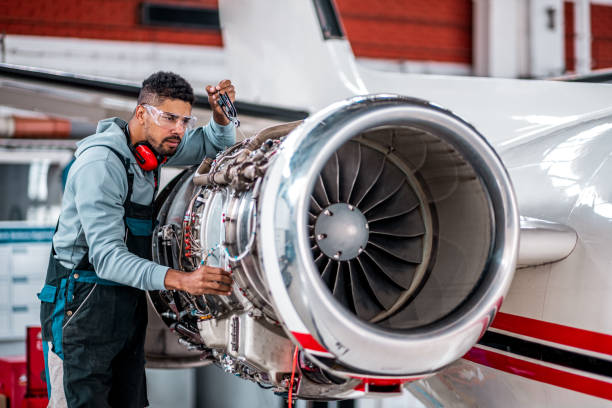
An Aircraft Maintenance Engineer/Technician (AME/AMT) is a highly skilled professional responsible for inspecting, repairing, maintaining, and overhauling aircraft to ensure their safety, airworthiness, and efficient operation. They work on various aircraft systems, including engines, hydraulics, avionics, airframes, and electrical components, across industries such as commercial aviation, military aviation, private aircraft operations, and aerospace manufacturing. Collaborating with pilots, engineers, and regulatory authorities, AME/AMTs play a critical role in preventing mechanical failures, ensuring compliance with stringent aviation safety standards, and maintaining operational reliability. Their expertise is vital to the aviation industry, which prioritizes precision, safety, and adherence to global regulations in a field shaped by technological advancements and growing demand.
Share :
Career tree mind map (horizontal) — Aircraft Maintenance Engineer
Colored branches, hub circles, and underlined topics — same style as counselor course classic (types 18–19 in admin).
Loading mind map…

Overview

An Aircraft Maintenance Engineer/Technician (AME/AMT) is a highly skilled professional responsible for inspecting, repairing, maintaining, and overhauling aircraft to ensure their safety, airworthiness, and efficient operation. They work on various aircraft systems, including engines, hydraulics, avionics, airframes, and electrical components, across industries such as commercial aviation, military aviation, private aircraft operations, and aerospace manufacturing. Collaborating with pilots, engineers, and regulatory authorities, AME/AMTs play a critical role in preventing mechanical failures, ensuring compliance with stringent aviation safety standards, and maintaining operational reliability. Their expertise is vital to the aviation industry, which prioritizes precision, safety, and adherence to global regulations in a field shaped by technological advancements and growing demand.

Aircraft Maintenance Engineers/Technicians are meticulous and technically adept individuals who operate in diverse environments such as hangars, repair stations, airports, airfields, or military bases, utilizing specialized tools, diagnostic equipment, and aircraft maintenance manuals. Their role encompasses routine inspections, troubleshooting mechanical and electrical issues, performing scheduled maintenance, emergency repairs, and system upgrades. They face challenges like working under tight schedules, ensuring zero-error outcomes due to the high stakes of aviation safety, and adapting to the increasing complexity of modern aircraft technologies. By combining knowledge of aeronautical engineering, avionics, and regulatory frameworks, AME/AMTs ensure aircraft remain in peak condition for safe flight operations. As key contributors to aviation safety and reliability, they support global connectivity and defence capabilities amidst trends like automation, sustainable aviation, and digital maintenance systems.

Roles and Responsibilities

💼
Aircraft Maintenance Engineer
Roles and Responsibilities
Routine Inspections and Maintenance
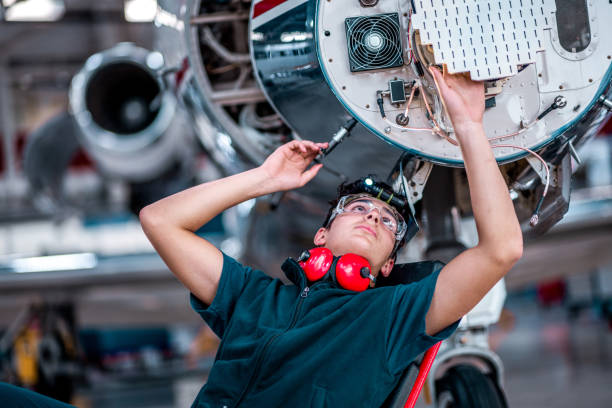
Conduct regular checks on aircraft systems, structures, and components to identify wear, damage, or defects.
Perform preventive maintenance to avoid breakdowns and ensure long-term reliability.
Troubleshooting and Repairs
Diagnose mechanical, electrical, and avionics issues using diagnostic tools and non-destructive testing (NDT) methods.
Repair or replace faulty parts and systems, ensuring functionality and safety.
Avionics and Electrical Systems Maintenance
Troubleshoot and repair aircraft electrical systems, navigation equipment, and communication devices.
Install and maintain avionics upgrades for enhanced performance.
Compliance and Documentation
Ensure all maintenance activities comply with aviation regulations set by authorities like DGCA (India), FAA (USA), or EASA (Europe).
Maintain detailed records of inspections, repairs, and tests for regulatory audits and traceability.
Testing and Quality Assurance
Conduct functional tests on repaired systems to verify performance and reliability.
Perform pre-flight and post-flight checks to confirm aircraft airworthiness before release to service.
Collaboration and Communication
Coordinate with pilots, flight engineers, and air traffic control to understand reported issues and verify repairs.
Report technical issues and maintenance outcomes to stakeholders for operational planning.
Upgrading and Modifications
Install new equipment or avionics systems to meet updated standards or improve performance.
Modify aircraft systems to comply with regulations or enhance efficiency.
Safety and Emergency Response
Respond to in-flight or ground emergencies requiring immediate technical attention to minimize downtime.
Implement safety protocols during maintenance operations to mitigate risks.
Training and Skill Development
Mentor junior technicians and provide on-the-job training for maintenance procedures.
Stay updated with technological advances, regulatory changes, and participate in continuous training programs.
Optimization for Operations
Work with maintenance planners to streamline schedules and reduce aircraft downtime.
Address recurring technical issues by collaborating with design and manufacturing teams.

Roles and Responsibilities

  • Routine Inspections and Maintenance
    • Conduct regular checks on aircraft systems, structures, and components to identify wear, damage, or defects.
    • Perform preventive maintenance to avoid breakdowns and ensure long-term reliability.
  • Troubleshooting and Repairs
    • Diagnose mechanical, electrical, and avionics issues using diagnostic tools and non-destructive testing (NDT) methods.
    • Repair or replace faulty parts and systems, ensuring functionality and safety.
  • Avionics and Electrical Systems Maintenance
    • Troubleshoot and repair aircraft electrical systems, navigation equipment, and communication devices.
    • Install and maintain avionics upgrades for enhanced performance.
  • Compliance and Documentation
    • Ensure all maintenance activities comply with aviation regulations set by authorities like DGCA (India), FAA (USA), or EASA (Europe).
    • Maintain detailed records of inspections, repairs, and tests for regulatory audits and traceability.
  • Testing and Quality Assurance
    • Conduct functional tests on repaired systems to verify performance and reliability.
    • Perform pre-flight and post-flight checks to confirm aircraft airworthiness before release to service.
  • Collaboration and Communication
    • Coordinate with pilots, flight engineers, and air traffic control to understand reported issues and verify repairs.
    • Report technical issues and maintenance outcomes to stakeholders for operational planning.
  • Upgrading and Modifications
    • Install new equipment or avionics systems to meet updated standards or improve performance.
    • Modify aircraft systems to comply with regulations or enhance efficiency.
  • Safety and Emergency Response
    • Respond to in-flight or ground emergencies requiring immediate technical attention to minimize downtime.
    • Implement safety protocols during maintenance operations to mitigate risks.
  • Training and Skill Development
    • Mentor junior technicians and provide on-the-job training for maintenance procedures.
    • Stay updated with technological advances, regulatory changes, and participate in continuous training programs.
  • Optimization for Operations
    • Work with maintenance planners to streamline schedules and reduce aircraft downtime.
    • Address recurring technical issues by collaborating with design and manufacturing teams.

Study Route & Eligibility Criteria

Study Route & Eligibility Criteria
Aircraft Maintenance Engineer
Diploma/Certificate in AME
🎓
1
10+2 in Science
🎓
2
Enroll in a DGCA/EASA/FAA-approved Aircraft Maintenance Engineering diploma or certificate program
2-3 years
💼
3
Complete practical training at approved maintenance organizations
💼
4
Obtain AME License
💼
5
Work as Junior AME/AMT
Apprenticeship + Certification
🎓
1
Gain apprenticeship with licensed aircraft maintenance facilities
💼
2
Acquire hands-on experience under supervision
📚
3
Pass certification exams conducted by aviation authorities
💼
4
Advance through experience and additional certifications
Engineering Degree + AME License
🎓
1
10+2 in Science
🏛️
2
Bachelor’s degree in Aeronautical or Mechanical Engineering
4 years
📚
3
Pursue AME licensing and specialized training
1-2 years
💼
4
Combine engineering knowledge with practical skills
💼
5
Work as AME/AMT or in advanced roles
Military Training and Transition
🎓
1
Receive aircraft maintenance training in the armed forces
💼
2
Gain experience on military aircraft
📚
3
Obtain civilian AME certification if transitioning to commercial aviation
💼
4
Pursue advanced specializations or supervisory roles
🎯 Aircraft Maintenance Engineer - Professional

Significant Observations (Academic Related Points)

💡
Aircraft Maintenance Engineer
Academic Related Points
1
Licensing is Mandatory:
Obtaining a DGCA, FAA, or EASA AME license is essential to legally perform maintenance on civil aircraft.
2
Technical Expertise:
Strong knowledge of mechanical, electrical, and avionics systems is required for effective maintenance.
3
Hands-on Training:
Practical experience through internships or apprenticeships is critical for skill development.
4
Regulatory Compliance:
Strict adherence to aviation safety standards and documentation is non-negotiable.
5
Continuous Learning:
Rapid technological advancements in aircraft systems demand ongoing education and training.
6
Foundational Knowledge:
A strong grasp of physics, mathematics, and aeronautical principles is vital for accuracy.
7
Work Environment:
AME/AMTs often work in hangars, airports, or airfields, sometimes in challenging physical conditions.
8
Shift Work:
Maintenance roles can require irregular hours, including nights and weekends, to support flight schedules.
9
Global Standards:
Awareness of international aviation safety norms enhances opportunities for global roles.
10
Attention to Detail:
Precision in inspections and repairs is critical due to the high stakes of aviation safety.
11
Entrance Examination Success:
Competitive exams may be required for admission to top AME or engineering programs.
12
International Testing Requirements:
Language proficiency tests like IELTS/TOEFL may be needed for global opportunities.

Internships & Practical Exposure

💼
Aircraft Maintenance Engineer
Internships & Practical Experience
1
Mandatory practical training at DGCA/EASA/FAA-approved maintenance organizations for real-world experience.
2
Rotations in engine maintenance, avionics repair, airframe servicing, and structural checks for diverse exposure.
3
Internships with airlines’ maintenance divisions (e.g., Air India, IndiGo) or MROs for hands-on skills.
4
Training under licensed AMEs for expertise in troubleshooting and regulatory compliance.
5
Observerships at airports, aircraft manufacturers’ service centers (e.g., Boeing, Airbus), or defense aviation units.
6
Participation in simulated aircraft maintenance scenarios or aviation events for problem-solving skills.
7
Exposure to live aircraft servicing during internships for skills in safety protocols and pre-flight checks.
8
Volunteer roles in small aircraft maintenance or with aerospace component suppliers to build a portfolio.
9
International internship programs with global airlines or MROs for exposure to worldwide maintenance standards.
10
Training at aviation academies or technical departments of airports for practical insights into operations.

Courses & Specializations to Enter the Field

📚
Aircraft Maintenance Engineer
Courses & Specializations
📖
Certificate in Aircraft Maintenance (DGCA/EASA/FAA-approved).
📖
Bachelor’s Degree in Aeronautical Engineering or Mechanical Engineering.
📖
Specialized Courses in Avionics, Powerplant Maintenance, Airframe Maintenance.
📖
Type Rating Courses for specific aircraft (e.g., Boeing 737, Airbus A320).
📖
Certifications in Non-Destructive Testing (NDT), Welding, and Electrical Systems.
📖
Workshops on Latest Aircraft Technologies, Regulatory Updates, and Safety Management.
📖
Simulator Training for Troubleshooting and Repair Scenarios.
📖
Online Training Modules on Aircraft Systems and Safety Procedures.
📖
Specialization in Helicopter Maintenance, Military Aircraft Systems, or Composite Repair.

Prominent Employers

🏢
Aircraft Maintenance Engineer
🌟 Top Companies & Organizations
🇮🇳 India
🏛️
Air India Engineering Services
🏛️
IndiGo (InterGlobe Aviation)
🏛️
SpiceJet
🏛️
Hindustan Aeronautics Limited (HAL)
🏛️
Indian Air Force Technical Units
🏛️
GoAir (Go First)
🏛️
Vistara (Tata SIA Airlines)
🏛️
Tata Advanced Systems
🏛️
GMR Aero Technic, Hyderabad
🏛️
Airports Authority of India (AAI)
🌍 International
🌐
Lufthansa Technik, Germany
🌐
Emirates Engineering, UAE
🌐
Delta TechOps, USA
🌐
Boeing Global Services, USA
🌐
Airbus Services, France
🌐
British Airways Engineering, UK
🌐
Qantas Engineering, Australia
🌐
Southwest Airlines, USA
🌐
Rolls-Royce, UK
🌐
Federal Aviation Administration (FAA), USA

Advice for Aspiring Aircraft Maintenance Engineers

💡
Aircraft Maintenance Engineer
🌟 Tips for Students & Parents
1
Build a strong foundation in physics, mathematics, and aeronautical concepts to tackle maintenance challenges.
2
Obtain formal education and certification from DGCA/EASA/FAA-approved institutions.
3
Gain hands-on experience through internships and apprenticeships at airlines or MROs.
4
Stay current with evolving aircraft technologies and regulatory changes via continuous learning.
5
Develop strong problem-solving and diagnostic skills for complex aircraft issues.
6
Prioritize safety and quality in every maintenance task to ensure reliability.
7
Prepare thoroughly for entrance exams like AME CET or JEE with focused study plans.
8
Build effective communication skills for teamwork and accurate reporting.
9
Network with industry professionals through associations like AMEA or PAMA.
10
Be prepared for shift work and physically demanding environments in hangars or airfields.
11
Pursue type rating courses or advanced certifications for specialized expertise.
12
Cultivate a passion for aviation safety and technical excellence to thrive in the field.
🎓 Final Message
A career in Aircraft Maintenance Engineering/Technician offers a challenging and rewarding pathway in the aviation industry, ensuring aircraft safety, reliability, and compliance with stringent regulations through technical precision and innovative solutions. AME/AMTs are the guardians of the skies, using their expertise to maintain aircraft integrity, protect passengers, and support global connectivity across commercial, military, and private sectors. This profession blends hands-on technical work with high responsibility, providing diverse opportunities for growth into leadership roles. For those passionate about aircraft and engineering, driven by a desire to uphold safety in high-stakes environments, and eager to embrace the evolving landscape of digital tools and sustainable aviation, becoming an Aircraft Maintenance Engineer/Technician is a deeply fulfilling journey. It empowers individuals to address critical aviation needs, maintain operational excellence, and advance human progress through the transformative power of safe flight.
Knowledge & Skills You Will Learn
1
Skill Development Needs:Training in composite materials, UAVs, and sustainable practices.
2
Sustainability Focus:Focus on maintenance for aircraft with lower carbon footprints.
Junior Aircraft Maintenance Technician (AMT)

Junior Aircraft Maintenance Technician (AMT)

Entry-level individuals who assist in basic inspections and minor repairs under supervision. They gain experience with tools and systems. Their...

0.0LPA
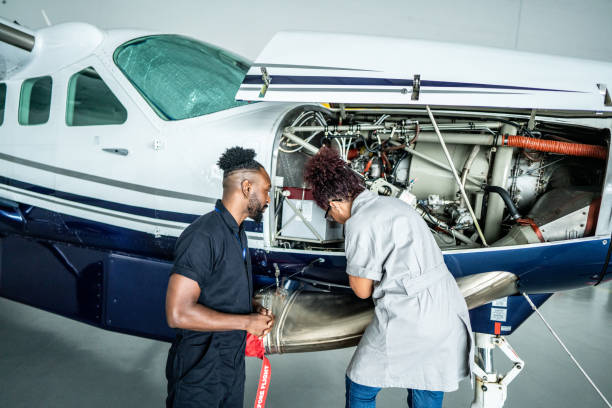
Avionics Technician

Avionics Technician

Specialists focusing on electronic systems like navigation and communication. They install, maintain, and repair avionics equipment. Their...

0.0LPA
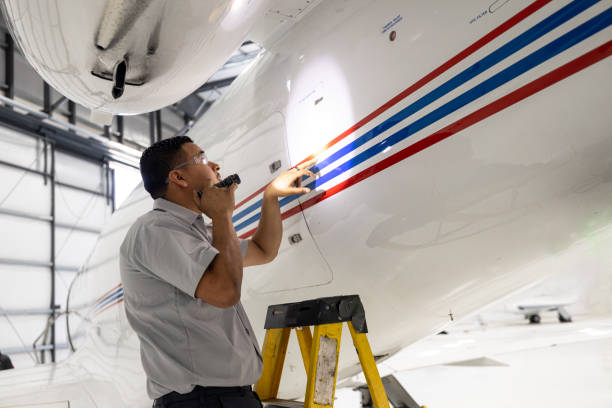
Airframe Technician

Airframe Technician

Professionals concentrating on structural components like fuselage and wings. They address corrosion, fatigue, and damage. Their work maintains...

0.0LPA

Interested in this career?

Take the next step and explore more about Aircraft Maintenance Engineer.