a) Operation and Monitoring Responsibilities:
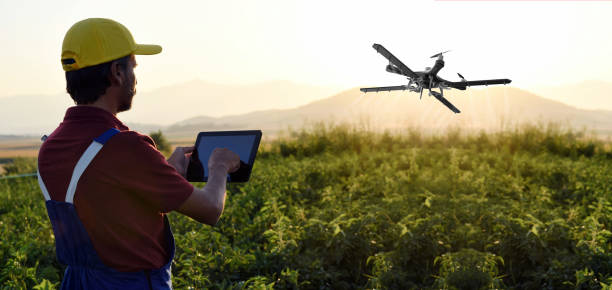
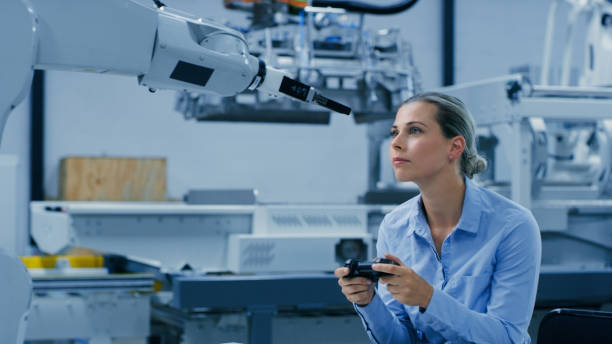
- Operate autonomous systems such as drones, robotic machinery, or self-driving vehicles using control interfaces or software.
- Monitor the performance of robotic systems during tasks, ensuring they follow programmed instructions or respond to real-time inputs.
- Conduct pre-operation checks on equipment to verify functionality, safety features, and compliance with operational standards.
- Record operational data, such as system performance, errors, or task completion rates, for reporting or analysis.
- Adjust system settings or parameters under supervision to optimize performance for specific tasks or environments.
b) Maintenance and Troubleshooting Responsibilities:
- Perform basic maintenance tasks, such as cleaning, lubricating, or replacing minor components of robotic or autonomous systems.
- Identify and report technical issues, malfunctions, or anomalies in system behavior to senior technicians or engineers.
- Assist in troubleshooting hardware or software problems by following standard protocols or diagnostic tools.
- Ensure proper storage and handling of equipment to prevent damage or wear during downtime.
- Support software updates or recalibration of sensors and systems as directed by technical teams.
c) Safety and Compliance Responsibilities:
- Adhere to safety protocols and guidelines while operating autonomous systems to prevent accidents or damage to equipment.
- Ensure compliance with industry standards and regulations, such as those set by the Directorate General of Civil Aviation (DGCA) for drones in India.
- Maintain logs or documentation for audits, safety checks, or regulatory requirements.
- Participate in training sessions on equipment operation, safety practices, and updated protocols to stay current with industry norms.
- Collaborate with teams to implement safety measures or operational improvements in automated workflows.
| Level | Eligibility |
| Entry-Level (Certificate) | Minimum 10th or 12th standard pass (preferably science or technical stream); basic mechanical or computer skills beneficial. |
| Diploma/Advanced Training | 12th standard pass (any stream with technical interest) or relevant certification in robotics or automation. |
| Advanced Roles (Further Training) | Certificate or diploma in Robotics/Automation; relevant work experience or ITI certification preferred for competitive roles. |
| Route | Focus Area | Duration | Outcome |
| Certificate Programs | Basics of Robotics & Autonomous Systems | 3-6 months | Entry-level roles in manufacturing, logistics, or drone operations. |
| Diploma Programs | Robotics Operation & Automation Technology | 6 months-1 year | Broader scope for positions in industrial automation or defense applications. |
| Short-Term Training (Optional) | Drone Operation, Robotics Maintenance | 1-3 months | Specialized skills for areas like UAV piloting or robotic assembly. |
| Online Courses | Introduction to Robotics, Autonomous Systems | 1-3 months | Flexible learning for trends like IoT integration or AI in robotics. |
- No National Entrance Tests: Most certificate and diploma programs for autonomous systems and robotics operators do not require national-level entrance exams, focusing on direct or merit-based admissions
- Institute-Specific Criteria: Reputed training centers may assess candidates based on technical aptitude or basic math skills through interviews or tests.
- Direct Admissions: Many private and government vocational centers, including Industrial Training Institutes (ITIs), offer admissions with minimal eligibility requirements.
- Certificate in Robotics & Automation from recognized institutes like NSDC-affiliated centers or Industrial Training Institutes (ITIs).
- Short courses in Drone Piloting or Robotics Programming from platforms like Coursera, Udemy, or Alison.
- Certifications in UAV Operation (DGCA-approved for drones) or IoT for Robotics from industry-specific training providers for enhanced employability.
- Technical Skills: Proficiency in operating robotic systems, using control software, and understanding basic mechanical or electrical components.
- Operational Knowledge: Understanding of autonomous system workflows, sensor functionality, and safety protocols.
- Troubleshooting Skills: Competence in identifying and reporting issues in hardware or software during system operation.
- Digital Literacy: Familiarity with basic programming (e.g., Python for robotics), IoT tools, or drone control interfaces.
- Physical Dexterity: Ability to handle equipment, perform minor repairs, or operate systems in varying environments.
- Soft Skills: Attention to detail for monitoring systems, teamwork for collaborative tasks, and adaptability to new technologies.
a) Operational Settings:
- Manufacturing Units: Operate robotic arms or automated machinery for assembly, welding, or packaging tasks.
- Logistics & Warehousing: Control autonomous vehicles or drones for inventory movement or delivery operations.
b) Sector-Specific Settings:
- Agriculture Sector: Operate drones for crop monitoring, spraying, or precision farming applications.
- Defense & Security: Support autonomous systems or drones for surveillance, reconnaissance, or disaster response.
- Healthcare Sector: Assist in operating robotic systems for surgeries, rehabilitation, or hospital logistics.
- Freelance/Entrepreneurship: Provide drone operation services or small-scale robotics support to local businesses or events.
| Level | Small-Scale/Local Sector (INR Annual) | Commercial/Large-Scale Sector (INR Annual) |
| Entry-Level | ₹1,80,000 - ₹3,00,000 | ₹2,50,000 - ₹4,00,000 |
| Mid-Level | ₹3,10,000 - ₹4,50,000 | ₹4,10,000 - ₹6,00,000 |
| Senior-Level | ₹4,60,000 - ₹6,00,000 | ₹6,10,000 - ₹8,00,000+ (Supervisory potential) |
Note: Salaries vary based on location (metro vs. smaller cities), experience, employer type (small firm vs. large corporation), and sector (manufacturing vs. defense). Roles in metro cities or with specialized applications (e.g., defense drones) often offer higher pay. Data is approximate and subject to change based on economic conditions and industry trends in 2025.
- General Roles: High demand due to India’s push for automation, Industry 4.0 adoption, and growth in manufacturing and logistics.
- Specialized Roles: Rising need for operators with expertise in drone piloting, IoT-integrated systems, and robotic maintenance.
- Emerging Areas: Opportunities in smart agriculture, autonomous urban transport, and defense applications of robotics.
| Institute | Program Focus | Location | Sector Affiliation |
| Indian Institute of Robotics | Robotics & Automation Training | Multiple Locations | Private |
| National Skill Development Corporation (NSDC) Partners | Robotics Skills under Skill India | Nationwide | Government-Private |
| Directorate General of Civil Aviation (DGCA)-Approved Centers | Drone Pilot Training | Multiple Locations | Government-Private |
| Industrial Training Institutes (ITI) | Vocational Courses in Robotics & Automation | Multiple Locations | Government |
| RoboSpecies Technologies | Robotics Operation & Programming | Multiple Locations | Private |
| IGNOU (Indira Gandhi National Open University) | Certificate in Robotics & Automation | Multiple Centers | Government |
| State Vocational Training Centers | Automation & Robotics Skills | Multiple States | Government |
| Coursera/Udemy/Alison | Online Robotics & Autonomous Systems Courses | Online | Private |
| NIIT (Vocational Programs) | Robotics & IoT Basics | Multiple Locations | Private |
| AICTE-Approved Vocational Centers | Robotics Operator Training | Nationwide | Government-Private |
Note: Admission requirements vary; government institutes like ITI or NSDC partners often have lower fees but may require eligibility checks, while private or online platforms may have higher fees with flexible admission processes. Check specific institute websites or NSDC portals for course details, eligibility, and application processes.
a) Professional Growth Path:
- Operational Sector: Progress to roles like Robotics Technician, Drone Specialist, or Automation Supervisor with experience.
- Technical Sector: Move into positions like Robotics Programmer or Autonomous Systems Analyst with advanced skills.
- Entrepreneurship: Start personal drone services, robotics maintenance units, or consultancy for small businesses.
b) Further Education Path:
- All Sectors: Pursue advanced certifications or degrees in Robotics Engineering, Mechatronics, or Automation for higher roles.
| Pros | Cons |
| High demand in India’s growing automation and tech-driven sectors | Exposure to technical risks or equipment malfunctions requiring caution |
| Accessible entry with vocational training and short-term courses | Physically demanding at times due to handling equipment or fieldwork |
| Contribution to innovation in manufacturing, agriculture, and defense | Limited job opportunities in rural areas; most roles in urban or industrial hubs |
| Potential for career growth in robotics programming or system design | Need for continuous learning to keep up with evolving technologies |
| Opportunities to work with futuristic technologies like drones and AI | High initial training or equipment costs for specialized roles like drone operation |
- Technology: Growth of AI-integrated robotics, drone-based solutions for logistics and agriculture, and autonomous vehicles for urban mobility.
- Public Policy Focus: Government initiatives like Make in India, Digital India, and National Drone Policy promoting automation and skill development.
- Industry Growth: Rise of automation in manufacturing, smart farming with drones, and defense applications of autonomous systems.
- Skill Development: Emphasis on IoT integration, drone regulation compliance, and safety protocols for robotic operations.
- Education: Choose a relevant program (Certificate/Diploma) based on career goals from recognized institutes or online platforms, considering cost and accessibility.
- Certifications: Obtain credentials like Robotics Operation or Drone Piloting certificates to enhance credibility and marketability.
- Practical Experience: Gain hands-on experience through internships, workshops, or assisting in automation projects or drone services.
- Networking: Connect with robotics firms, drone operators, or industry groups via events, LinkedIn, or tech expos for opportunities.
- Job Applications: Apply to roles in manufacturing, logistics, or defense through job portals like Naukri.com, Indeed, or direct outreach.
- Stay Updated: Follow advancements via industry news (e.g., Robotics India, DGCA updates), webinars, and platforms like Skill India for trends and skill requirements.
| Sector | Category | Employers |
| Manufacturing Sector | Industrial Automation | Tata Motors, Larsen & Toubro, Siemens India |
| Logistics & E-Commerce Sector | Autonomous Delivery Systems | Amazon India (Scout program), Flipkart, Blue Dart (drone initiatives) |
| Agriculture Sector | Precision Farming & Drones | Mahindra Agri Solutions, AgriTech Startups (e.g., Aarav Unmanned Systems) |
| Defense & Security Sector | Surveillance & Autonomous Tech | DRDO (Defence Research and Development Organisation), HAL (Hindustan Aeronautics Limited) |
| Healthcare Sector | Robotic Assistance | Apollo Hospitals (robotic surgery units), MedTech Startups |
- Skill Gaps: Limited access to specialized training in robotics or drone operation outside metro areas or top institutes.
- Infrastructure Issues: Inconsistent access to advanced equipment or testing facilities for hands-on learning in smaller regions.
- Regulatory Complexity: Stringent rules for drone operation (e.g., DGCA guidelines) requiring licensing and compliance.
- Cost Barriers: High cost of equipment or software for training and operation limiting opportunities for small-scale operators.
A career as an Autonomous Systems & Robotics Operator in India offers a promising opportunity to work in a transformative industry that drives efficiency, innovation, and growth across sectors like manufacturing, agriculture, logistics, and defence. Supported by government initiatives like Make in India, Digital India, and Skill India, along with increasing demand for automation and autonomous solutions, this vocational path is ideal for individuals with an interest in technology, mechanics, and problem-solving. With accessible training, practical experience, and alignment with emerging trends like AI-integrated robotics and drone applications, individuals can build rewarding careers while paving the way for advancement into technical, supervisory, or entrepreneurial roles within India’s evolving automation and robotics ecosystem.