
Accomodation manager
Hotel Accommodation Manager
Explore Career
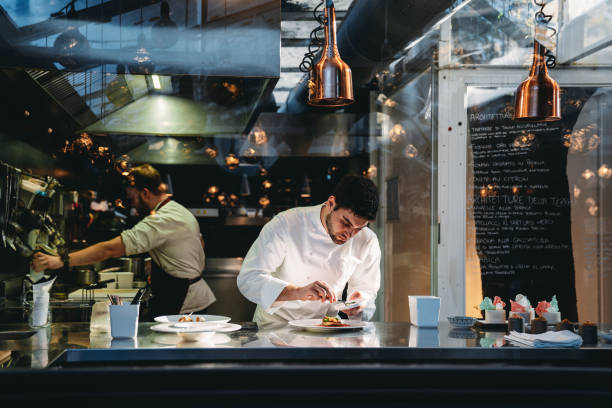
A Chef is a skilled culinary professional who specializes in creating, preparing, and presenting food dishes with creativity and precision. They work in industries such as hospitality, restaurants, catering, and private services, collaborating with kitchen staff, suppliers, and clients to deliver exceptional dining experiences. Chefs play a crucial role in the food and beverage sector by driving culinary innovation, maintaining quality standards, and satisfying diverse palates in an era where food culture and gastronomy are integral to social and personal experiences.

Chefs are passionate food experts responsible for designing menus, cooking meals, and managing kitchen operations to meet customer expectations and uphold safety standards. Their role includes experimenting with flavors, ensuring food hygiene, and addressing challenges ranging from dietary restrictions to high-pressure service environments. They combine expertise in cooking techniques, ingredient knowledge, and team leadership, working across various culinary settings to deliver memorable meals. As key contributors to the hospitality industry, Chefs drive engagement with food culture and innovation in a landscape increasingly focused on unique dining experiences and sustainability.
| Route | Steps |
| Route 1 | 1. 10+2 in any stream (preferably with Home Science or related subjects) |
| 2. Certificate or Diploma in Culinary Arts or Professional Cookery (6 months-1 year) | |
| 3. Internship or practical training in restaurants or hotels (3-6 months) | |
| 4. Work as Commis Chef or Junior Chef | |
| Route 2 | 1. 10+2 in any stream |
| 2. Bachelor’s degree in Culinary Arts or Hotel Management (3-4 years) | |
| 3. Gain certifications in specific cuisines or techniques | |
| 4. Practice as Sous Chef or Station Chef | |
| Route 3 | 1. 10+2 in any stream |
| 2. Diploma in Culinary Arts or Food Production (1-2 years) | |
| 3. Advanced certifications in food safety or specialized cooking | |
| 4. Work as Head Chef or Kitchen Manager | |
| Route 4 | 1. 10+2 in any stream |
| 2. International training or certification in Culinary Arts (1-2 years) | |
| 3. Specialized courses as per country or cuisine requirements | |
| 4. Practice globally or in India as a certified Chef |
| Institute | Course/Program | Official Link |
| Institute of Hotel Management (IHM), Multiple Locations | Diploma & Bachelor’s in Culinary Arts | https://www.ihmctan.edu/ |
| Culinary Academy of India, Hyderabad | Professional Chef Programs | https://www.iactchefacademy.com/ |
| Indian Culinary Institute (ICI), Noida & Tirupati | Bachelor’s & Diploma in Culinary Arts | https://www.ici.nic.in/ |
| Welcomgroup Graduate School of Hotel Administration, Manipal | Bachelor’s in Culinary Arts | https://www.manipal.edu/ |
| Oberoi Centre of Learning and Development (OCLD), Delhi | Kitchen Operations Program | https://www.oberoihotels.com/ |
| Academy of Pastry Arts, Multiple Locations | Diploma in Pastry & Culinary Arts | https://www.academyofpastryartsindia.com/ |
| Lavonne Academy of Baking Science & Pastry Arts, Bangalore | Professional Culinary & Pastry Programs | https://www.lavonne.in/ |
| International Institute of Culinary Arts (IICA), Delhi | Diploma in Professional Chef Training | https://www.chefiica.com/ |
| Symbiosis School of Culinary Arts, Pune | Bachelor’s in Culinary Arts | https://www.ssca.edu.in/ |
| Chef Vikas Khanna’s Culinary Institute, Multiple Locations | Specialized Culinary Training | https://www.vikaskhanna.com/ |
| Institution | Course | Country | Official Link |
| Le Cordon Bleu | Diploma in Culinary Arts & Pastry | France/Global | https://www.cordonbleu.edu/ |
| Culinary Institute of America (CIA) | Bachelor’s & Associate’s in Culinary Arts | USA | https://www.ciachef.edu/ |
| Johnson & Wales University | Culinary Arts Degree | USA | https://www.jwu.edu/ |
| Institut Paul Bocuse | Bachelor’s in Culinary Arts Management | France | https://www.institutpaulbocuse.com/ |
| Hattori Nutrition College | Japanese Culinary Arts Program | Japan | https://www.hattori.ac.jp/ |
| George Brown College | Culinary Management Diploma | Canada | https://www.georgebrown.ca/ |
| William Angliss Institute | Certificate in Commercial Cookery | Australia | https://www.angliss.edu.au/ |
| Swiss Hotel Management School (SHMS) | Culinary Arts Academy Diploma | Switzerland | https://www.shms.com/ |
| Apicius International School of Hospitality | Culinary Arts & Italian Cuisine Programs | Italy | https://www.apicius.it/ |
| Basque Culinary Center | Bachelor’s in Gastronomy & Culinary Arts | Spain | https://www.bculinary.com/ |
India:
International:
Commis Chef → Station Chef → Sous Chef → Head Chef → Executive Chef → Culinary Director → Restaurant Owner → Culinary Consultant
| India | International |
| Taj Hotels | Marriott International, USA |
| Oberoi Hotels & Resorts | Hilton Worldwide, USA |
| ITC Hotels | Hyatt Hotels Corporation, USA |
| The Leela Palaces, Hotels and Resorts | Accor Hotels, France |
| Zomato (Cloud Kitchens) | Gordon Ramsay Group, UK |
| Swiggy (Food Delivery Platforms) | Nobu Hospitality, USA |
| Indian Accent (Fine Dining) | Four Seasons Hotels, Canada |
| Wasabi by Morimoto | Ritz-Carlton, USA |
| Masala Library by Jiggs Kalra | Mandarin Oriental, Hong Kong |
| Bombay Canteen | Waldorf Astoria, USA |
| Pros | Cons |
| Opportunity to work in creative and dynamic kitchen environments | High physical demands and long hours in high-pressure settings |
| High demand for chefs in growing hospitality and food sectors | Risk of burns, cuts, and other kitchen injuries |
| Rewarding impact through unique dining experiences | Exposure to heat, noise, and stressful service rushes |
| Diverse career paths across restaurants, catering, and private services | Limited job security in seasonal or freelance roles |
| Strong potential for personal branding with signature dishes or cuisines | Dependency on food trends and economic fluctuations |
| Career Level | India (₹ per annum) | International (USD per annum) |
| Commis Chef (Early Career) | 2,00,000 - 4,00,000 | 20,000 - 30,000 |
| Station Chef (Mid-Career) | 4,00,000 - 6,00,000 | 30,000 - 45,000 |
| Sous Chef/Head Chef | 6,00,000 - 10,00,000 | 45,000 - 60,000 |
| Executive Chef/Culinary Director | 10,00,000 - 18,00,000 | 60,000 - 80,000 |
| Restaurant Owner/Culinary Consultant | 18,00,000+ | 80,000+ |
Note: Salaries vary based on location, experience, employer, and specialization. International figures are approximate and depend on the country and sector.
A career as a Chef offers a unique opportunity to contribute to culinary arts, dining experiences, and food culture by creating exceptional meals for diverse audiences. From promoting innovative flavors to advancing sustainability and customer satisfaction, Chefs play a pivotal role in modern hospitality and gastronomic landscapes. This field combines culinary expertise, creative skills, and a commitment to solving complex kitchen challenges, offering diverse paths in restaurants, catering, private services, and beyond. For those passionate about food, adapting to dynamic environments, and addressing dining needs in an era of global cuisine, a career as a Chef provides an intellectually stimulating and professionally rewarding journey with the potential to make significant contributions to society by advancing the art and application of cooking worldwide.


Early-career professionals assist in basic kitchen tasks under supervision. They build skills in food preparation while ensuring hygiene...
0.0LPA
Experienced professionals manage specific kitchen sections with high competence, using culinary skills. They offer expertise in particular dishes....
0.0LPA

Specialists oversee kitchen operations with exceptional competence. They integrate deep culinary knowledge with expertise in management for...
0.0LPA
Take the next step and explore more about Chef.
Explore similar career paths that might interest you