Dairy Technology

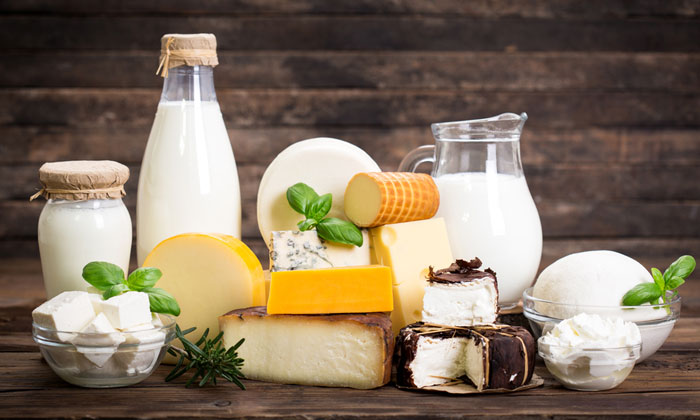
Dairy Technology is a specialized field of food science and technology that focuses on the production, processing, packaging, and distribution of milk and dairy products such as cheese, butter, yogurt, and ice cream. Professionals in this field apply scientific principles and engineering techniques to ensure the safety, quality, and nutritional value of dairy products while meeting consumer demands and regulatory standards. This career is crucial to the global food industry, supporting agricultural economies, ensuring food security, and catering to the growing demand for dairy products worldwide. Dairy technologists play a vital role in innovating sustainable practices, improving product shelf life, and addressing health and environmental concerns in an industry shaped by technological advancements and changing dietary trends.
Share :
✨ Radial Mind Map - Dairy Technology
Nodes arranged in concentric circles

Loading radial mind map...

Overview

Dairy Technology is a specialized field of food science and technology that focuses on the production, processing, packaging, and distribution of milk and dairy products such as cheese, butter, yogurt, and ice cream. Professionals in this field apply scientific principles and engineering techniques to ensure the safety, quality, and nutritional value of dairy products while meeting consumer demands and regulatory standards. This career is crucial to the global food industry, supporting agricultural economies, ensuring food security, and catering to the growing demand for dairy products worldwide. Dairy technologists play a vital role in innovating sustainable practices, improving product shelf life, and addressing health and environmental concerns in an industry shaped by technological advancements and changing dietary trends.

Dairy Technology professionals work in diverse environments such as dairy farms, processing plants, research laboratories, and quality control units, often collaborating with farmers, engineers, and food scientists. Their roles involve developing new dairy products, optimizing production processes, ensuring hygiene and safety standards, and managing supply chains. They face challenges like maintaining product consistency, adhering to strict food safety regulations, and adapting to consumer preferences for organic or plant-based alternatives. By leveraging expertise in microbiology, chemistry, and engineering, Dairy Technologists enhance the quality and variety of dairy offerings. As key contributors to the food sector, they drive innovation in processing techniques, sustainability, and nutritional enhancement, responding to global trends like automation, eco-friendly packaging, and health-conscious diets.

Roles and Responsibilities

💼
Dairy Technology
Roles and Responsibilities
Milk Processing and Production
Oversee the collection, pasteurization, and processing of raw milk into various products.
Operate and maintain processing equipment to ensure efficiency and hygiene.
Quality Control and Assurance
Conduct tests for microbial content, fat percentage, and nutritional value of dairy products.
Ensure compliance with food safety standards and certifications like FSSAI or ISO.
Product Development and Innovation
Develop new dairy products like flavoured milk, low-fat cheese, or probiotic yogurt.
Experiment with formulations to meet consumer trends and dietary needs.
Equipment and Process Optimization
Design and improve processing systems for better yield and reduced waste.
Implement automation technologies to enhance production efficiency.
Hygiene and Sanitation Management
Monitor cleanliness of production facilities to prevent contamination.
Enforce sanitation protocols for workers and equipment in dairy plants.
Supply Chain and Storage Management
Manage cold chain logistics to maintain product freshness during transportation.
Coordinate with farmers and distributors for raw material supply and product delivery.
Regulatory Compliance and Documentation
Ensure adherence to national and international food safety and labeling regulations.
Maintain records of production batches, quality tests, and audits for traceability.
Research and Sustainability Initiatives
Research ways to reduce environmental impact through waste management and energy-efficient processes.
Study market trends to align products with consumer health and sustainability preferences.

Roles and Responsibilities

  • Milk Processing and Production
    • Oversee the collection, pasteurization, and processing of raw milk into various products.
    • Operate and maintain processing equipment to ensure efficiency and hygiene.
  • Quality Control and Assurance
    • Conduct tests for microbial content, fat percentage, and nutritional value of dairy products.
    • Ensure compliance with food safety standards and certifications like FSSAI or ISO.
  • Product Development and Innovation
    • Develop new dairy products like flavoured milk, low-fat cheese, or probiotic yogurt.
    • Experiment with formulations to meet consumer trends and dietary needs.
  • Equipment and Process Optimization
    • Design and improve processing systems for better yield and reduced waste.
    • Implement automation technologies to enhance production efficiency.
  • Hygiene and Sanitation Management
    • Monitor cleanliness of production facilities to prevent contamination.
    • Enforce sanitation protocols for workers and equipment in dairy plants.
  • Supply Chain and Storage Management
    • Manage cold chain logistics to maintain product freshness during transportation.
    • Coordinate with farmers and distributors for raw material supply and product delivery.
  • Regulatory Compliance and Documentation
    • Ensure adherence to national and international food safety and labeling regulations.
    • Maintain records of production batches, quality tests, and audits for traceability.
  • Research and Sustainability Initiatives
    • Research ways to reduce environmental impact through waste management and energy-efficient processes.
    • Study market trends to align products with consumer health and sustainability preferences.


Study Route & Eligibility Criteria

Study Route & Eligibility Criteria
Dairy Technology
Undergraduate Degree
🎓
1
10+2 in Science with minimum 50-60% marks
🏛️
2
Pursue B.Tech/B.E. in Dairy Technology or B.Sc. in Dairy Science
4 years
💼
3
Gain practical exposure through internships in dairy plants
💼
4
Start as a Junior Dairy Technologist or Quality Control Assistant
Diploma Course
🎓
1
10th or 10+2 pass with minimum 45-50% marks
🎓
2
Pursue a Diploma in Dairy Technology from a recognized institute
1-2 years
📚
3
Complete hands-on training in dairy processing units
💼
4
Work as a Technician or Plant Operator
Postgraduate Specialization
🎓
1
Complete B.Tech/B.Sc. in Dairy Technology or related field
🏛️
2
Pursue M.Tech/M.Sc. in Dairy Technology, Dairy Microbiology, or Dairy Chemistry
2 years
💼
3
Engage in research or advanced internships
💼
4
Work in R&D, Quality Management, or Senior Technical Roles
🎯 Dairy Technology - Professional

Significant Observations (Academic Related Points)

💡
Dairy Technology
Academic Related Points
1
Scientific Foundation:
Strong knowledge of chemistry, microbiology, and food science is essential for processing and quality control.
2
Practical Training:
Hands-on experience in dairy plants during academic programs is crucial for skill development.
3
Certification Requirement:
Certifications in food safety (e.g., HACCP) enhance employability and credibility.
4
Technical Proficiency:
Familiarity with dairy processing equipment and automation tools is necessary for operational roles.
5
Regulatory Knowledge:
Understanding of food safety laws and standards like FSSAI or FDA is critical for compliance.
6
Analytical Skills:
Ability to conduct lab tests and interpret data for product quality is vital.
7
Continuous Learning:
Keeping up with innovations in dairy processing and sustainability is important for career growth.
8
Global Standards:
Awareness of international dairy norms boosts opportunities in export-oriented companies.
9
Attention to Detail:
Precision in testing and production processes ensures product safety and consistency.
10
Entrance Examination Success:
Competitive exams are often required for admission to top programs in this field.
11
Communication Skills:
Proficiency in technical reporting and teamwork aids collaboration in production environments.

Internships & Practical Exposure

💼
Dairy Technology
Internships & Practical Experience
1
Internships in dairy processing plants for experience in milk handling and product manufacturing.
2
Training under quality control teams to learn testing protocols and safety standards.
3
Rotations in production, packaging, and storage units for comprehensive industry exposure.
4
Observerships in R&D labs to understand product innovation and formulation techniques.
5
Participation in farm-to-table projects to learn about milk sourcing and supply chain logistics.
6
Exposure to live production cycles during training for practical skills in process optimization.
7
Workshops on food safety and hygiene practices for regulatory compliance knowledge.
8
Volunteer roles in dairy cooperatives or food expos to build professional networks.
9
Collaborative projects with dairy brands for real-world problem-solving experience.

Courses & Specializations to Enter the Field

📚
Dairy Technology
Courses & Specializations
📖
B.Tech/B.E. in Dairy Technology for comprehensive technical training.
📖
B.Sc. in Dairy Science for foundational knowledge in dairy production.
📖
Diploma in Dairy Technology for entry-level technical roles.
📖
M.Tech/M.Sc. in Dairy Microbiology, Dairy Chemistry, or Dairy Engineering for advanced expertise.
📖
Specialization in Dairy Product Development, Quality Control, or Dairy Plant Management.
📖
Short-term courses on Food Safety Management Systems (e.g., HACCP, ISO 22000).
📖
Training in Packaging Technology for Dairy Products.
📖
Workshops on Sustainable Dairy Practices and Waste Management.

Prominent Employers

🏢
Dairy Technology
🌟 Top Companies & Organizations
🇮🇳 India
🏛️
Amul (Gujarat Cooperative Milk Marketing Federation)
🏛️
Mother Dairy, Delhi
🏛️
Parag Milk Foods (Gowardhan), Mumbai
🏛️
Hatsun Agro Product Ltd (Arokya), Chennai
🏛️
Kwality Limited, Delhi
🏛️
Schreiber Dynamix Dairies, Mumbai
🏛️
Heritage Foods, Hyderabad
🌍 International
🌐
Nestlé, Switzerland
🌐
Danone, France
🌐
Fonterra, New Zealand
🌐
Arla Foods, Denmark
🌐
Lactalis, France
🌐
Dairy Farmers of America, USA
🌐
Saputo Inc., Canada

Advice for Aspiring Dairy Technologys

💡
Dairy Technology
🌟 Tips for Students & Parents
1
Build a strong foundation in science subjects like chemistry and biology to understand dairy processes.
2
Seek early exposure through internships or visits to dairy plants to confirm interest in the field.
3
Prepare thoroughly for entrance exams like ICAR AIEEA with focused study plans.
4
Develop hands-on skills in processing and quality testing through practical training.
5
Stay updated on dairy industry trends by following resources like IDF or IDA publications.
6
Engage in research projects or product development initiatives for innovation experience.
7
Join professional associations like IDA or AFSTI for networking and career resources.
8
Work on analytical skills to excel in quality control and product testing roles.
9
Explore international opportunities for exposure to global dairy standards and technologies.
10
Volunteer in dairy cooperatives or food safety programs to build a professional portfolio.
11
Cultivate adaptability to handle evolving consumer demands and sustainability challenges.
12
Focus on communication skills to effectively collaborate with teams and report findings.
🎓 Final Message
A career in Dairy Technology offers a unique opportunity to contribute to the food industry while ensuring the quality and safety of dairy products, driving nutritional health through innovative processing, and fostering sustainable practices with every product developed. Dairy Technologists are the guardians of dairy excellence, using their scientific and technical skills to enhance milk-based offerings, ensure food safety, and support agricultural economies across diverse sectors. This profession blends science with societal impact, providing pathways in production, quality assurance, research, and consultancy. For those passionate about food science, driven by a desire to innovate in nutrition and sustainability, and eager to embrace the evolving landscape of dairy technology, becoming a Dairy Technologist is a deeply rewarding journey. It empowers individuals to address critical food needs, maintain product excellence, and advance global health through the transformative power of dairy innovation.
Knowledge & Skills You Will Learn
1
Sustainability Focus:Emphasis on eco-friendly packaging and waste reduction in dairy production.
2
Digital Traceability:Use of blockchain for supply chain transparency and product tracking.
Junior Dairy Technologist:

Junior Dairy Technologist:

Entry-level professionals who assist in milk processing, basic testing, and plant operations under supervision. They perform routine tasks like...

0.0LPA

Quality Control Officer:

Quality Control Officer:

Early-career individuals who test dairy products for safety, nutritional content, and compliance with standards. They conduct lab analyses and...

0.0LPA

Production Supervisor:

Production Supervisor:

Mid-level experts who oversee dairy plant operations, manage staff, and ensure production targets are met. They coordinate workflows, troubleshoot...

0.0LPA

Interested in this career?

Take the next step and explore more about Dairy Technology.