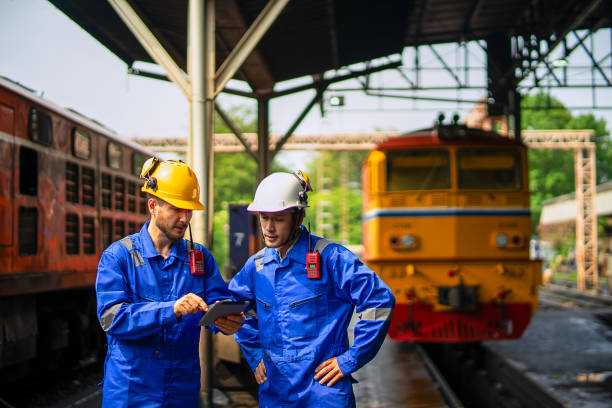
Diplomat

A Diplomat is a professional representative of a country’s government who works to manage international relations, negotiate agreements, and promote national interests abroad. They operate within foreign services, embassies, or international organizations, collaborating with foreign governments, diplomats, and global entities to foster cooperation and resolve conflicts. Diplomats play a crucial role in shaping global policies and maintaining peace in an era where geopolitical tensions, trade dynamics, and cultural exchanges are central to international affairs.
Share :
Career tree mind map (horizontal) — Diplomat
Colored branches, hub circles, and underlined topics — same style as counselor course classic (types 18–19 in admin).
Loading mind map…

Overview

A Diplomat is a professional representative of a country’s government who works to manage international relations, negotiate agreements, and promote national interests abroad. They operate within foreign services, embassies, or international organizations, collaborating with foreign governments, diplomats, and global entities to foster cooperation and resolve conflicts. Diplomats play a crucial role in shaping global policies and maintaining peace in an era where geopolitical tensions, trade dynamics, and cultural exchanges are central to international affairs.

Diplomats are strategic and communicative professionals tasked with representing their country’s policies, negotiating treaties, and addressing global issues such as trade, security, or humanitarian concerns. Their role includes building diplomatic ties, reporting on foreign developments, and tackling challenges ranging from cultural misunderstandings to international crises. They combine skills in negotiation, political analysis, and cultural sensitivity, working in embassies, consulates, or international summits to advance national objectives. As key contributors to global diplomacy, Diplomats drive cooperation and conflict resolution in a landscape increasingly focused on multilateralism, climate change, and global security.
Roles and Responsibilities

💼
Diplomat
Roles and Responsibilities
Representation of National Interests
Represent the home country in foreign nations or international organizations.
Promote national policies, culture, and economic interests abroad.
Negotiation and Treaty Drafting
Negotiate bilateral and multilateral agreements on trade, security, or environmental issues.
Draft treaties and diplomatic correspondence with precision and legal accuracy.
Political and Economic Reporting
Monitor and report on political, economic, and social developments in the host country.
Provide insights to the home government for informed policy-making.
Consular Services
Assist citizens abroad with passport issues, visas, or emergencies like natural disasters.
Support nationals facing legal or personal challenges in foreign territories.
Cultural Diplomacy
Promote cultural exchange through events, education, and public diplomacy initiatives.
Build mutual understanding between the home country and host nation.
Conflict Resolution and Mediation
Mediate disputes between nations or within international forums to prevent escalation.
Facilitate dialogue during crises to maintain peace and stability.
Policy Advocacy and Collaboration
Advocate for the home country’s stance on global issues like human rights or climate change.
Collaborate with international organizations like the UN or WTO on global challenges.
Protocol and Etiquette Management
Adhere to diplomatic protocols during official engagements and state visits.
Organize high-level meetings, summits, and diplomatic receptions.

Roles and Responsibilities

  • Representation of National Interests
    • Represent the home country in foreign nations or international organizations.
    • Promote national policies, culture, and economic interests abroad.
  • Negotiation and Treaty Drafting
    • Negotiate bilateral and multilateral agreements on trade, security, or environmental issues.
    • Draft treaties and diplomatic correspondence with precision and legal accuracy.
  • Political and Economic Reporting
    • Monitor and report on political, economic, and social developments in the host country.
    • Provide insights to the home government for informed policy-making.
  • Consular Services
    • Assist citizens abroad with passport issues, visas, or emergencies like natural disasters.
    • Support nationals facing legal or personal challenges in foreign territories.
  • Cultural Diplomacy
    • Promote cultural exchange through events, education, and public diplomacy initiatives.
    • Build mutual understanding between the home country and host nation.
  • Conflict Resolution and Mediation
    • Mediate disputes between nations or within international forums to prevent escalation.
    • Facilitate dialogue during crises to maintain peace and stability.
  • Policy Advocacy and Collaboration
    • Advocate for the home country’s stance on global issues like human rights or climate change.
    • Collaborate with international organizations like the UN or WTO on global challenges.
  • Protocol and Etiquette Management
    • Adhere to diplomatic protocols during official engagements and state visits.
    • Organize high-level meetings, summits, and diplomatic receptions.

Study Route & Eligibility Criteria

Study Route & Eligibility Criteria
Diplomat
Route 1
🎓
1
10+2 in any stream
Route 2
🎓
1
10+2 in any stream
Route 3
🎓
1
10+2 in any stream
Route 4
🎓
1
10+2 in any stream
🎯 Diplomat - Professional

Significant Observations (Academic Related Points)

💡
Diplomat
Academic Related Points
1
Diplomatic Foundation
Strong knowledge of international law and geopolitics is essential for diplomats.
2
Strategic Mindset
A flair for negotiation and problem-solving is critical for diplomatic success.
3
Specialized Training
Certifications in conflict resolution or protocol offer niche expertise.
4
Cultural Awareness
Understanding global cultures and histories improves diplomatic relations.
5
Interdisciplinary Knowledge
Familiarity with economics or law enhances policy advocacy.
6
Certification Importance
Industry-recognized certifications can enhance opportunities for advanced roles.
7
Continuing Education
Regular seminars on global affairs and diplomacy are necessary to stay updated.
8
Global Standards
Compliance with international diplomatic norms enhances career prospects.
9
Attention to Detail
Precision in drafting agreements and reports is critical for credibility.
10
Entrance Examination Success
Competitive exams are often required for entry into foreign services.
11
International Testing Requirements
For global roles, language proficiency tests or additional certifications may be needed.

Internships & Practical Exposure

💼
Diplomat
Internships & Practical Experience
1
Mandatory practical training during degree programs through simulations or internships.
2
Rotations in embassies, consulates, or international organizations for hands-on experience.
3
Internships under senior diplomats or foreign affairs officials for exposure to workflows.
4
Observerships in diplomatic missions or international summits for real-world learning.
5
Participation in Model United Nations (MUN) or mock diplomacy exercises for skill development.
6
Training in collaborative projects through real-world policy analysis or crisis simulations.
7
Exposure to industry-standard diplomatic protocols and tools during internships.
8
Project-based learning focusing on diverse geopolitical and cultural challenges.
9
Public outreach initiatives like assisting in cultural exchange programs or citizen services.
10
International attachments or online collaborations for global exposure to diplomatic practices.

Courses & Specializations to Enter the Field

📚
Diplomat
Courses & Specializations
📖
Certificate in Diplomacy and International Relations.
📖
Bachelor’s in International Relations or Political Science.
📖
Master’s in Diplomacy, Global Affairs, or Public Policy.
📖
Specialization in International Law and Treaties.
📖
Certification in Conflict Resolution and Mediation.
📖
Workshops on Diplomatic Protocol and Etiquette.
📖
Training in International Trade and Economics.
📖
Specialization in Security and Defense Diplomacy.
📖
Certification in Foreign Language Proficiency.
📖
Short Courses in Cultural Diplomacy and Soft Power.

Prominent Employers

🏢
Diplomat
🌟 Top Companies & Organizations
🇮🇳 India
🏛️
Ministry of External Affairs (MEA)
🏛️
Indian Foreign Service (IFS)
🏛️
Indian Embassies and Consulates
🏛️
Research and Analysis Wing (RAW)
🏛️
National Security Council (NSC)
🏛️
Institute for Defence Studies and Analyses (IDSA)
🏛️
Indian Council for Cultural Relations (ICCR)
🏛️
Confederation of Indian Industry (CII) - International Division
🏛️
Observer Research Foundation (ORF)
🏛️
United Service Institution of India (USI)
🌍 International
🌐
United Nations (UN), Global
🌐
World Trade Organization (WTO), Switzerland
🌐
European Union (EU), Belgium
🌐
North Atlantic Treaty Organization (NATO), Belgium
🌐
International Monetary Fund (IMF), USA
🌐
World Bank, USA
🌐
African Union (AU), Ethiopia
🌐
Organization of American States (OAS), USA
🌐
Asia-Pacific Economic Cooperation (APEC), Singapore
🌐
Commonwealth of Nations, UK

Advice for Aspiring Diplomats

💡
Diplomat
🌟 Tips for Students & Parents
1
Build a strong foundation in international relations and political science to handle complex global issues.
2
Seek early exposure to diplomatic environments or international organizations through internships to confirm interest.
3
Prepare thoroughly for competitive exams or simulations like Model UN specific to your chosen path.
4
Pursue advanced certifications in areas like international law or conflict resolution for expertise.
5
Stay updated on global affairs and geopolitical trends by attending seminars and industry events.
6
Develop hands-on skills in negotiation through personal projects or diplomatic simulations.
7
Engage in cultural exchange programs or online communities to build real-world experience.
8
Join professional associations like IFSA for networking and resources.
9
Work on precision and cultural sensitivity to ensure high-quality diplomatic outcomes.
10
Explore international programs for exposure to diverse diplomatic standards.
11
Volunteer in community or international aid programs to understand global needs and build experience.
12
Cultivate adaptability to handle complex political and cultural challenges.
13
Attend continuing education programs to stay abreast of evolving diplomatic methodologies.
14
Build a network with diplomats and policy experts for collaborative efforts.
15
Develop resilience to manage the stress and unpredictability of international postings.
16
Balance diplomatic duties with continuous learning to adapt to rapid advancements in global policy.
🎓 Final Message
A career as a Diplomat offers a unique opportunity to contribute to international cooperation, national representation, and global progress by navigating complex geopolitical landscapes for diverse audiences. From fostering peace to shaping trade agreements and cultural ties, Diplomats play a pivotal role in modern international relations and global governance. This field combines strategic expertise, cultural skills, and a commitment to solving intricate global challenges, offering diverse paths in foreign service, policy advocacy, international organizations, and beyond. For those passionate about global affairs, adapting to dynamic political trends, and addressing societal needs in an era of interconnected challenges, a career as a Diplomat provides an intellectually stimulating and professionally rewarding journey with the potential to make significant contributions to society by advancing the art and application of diplomacy worldwide.
Knowledge & Skills You Will Learn
1
Expertise in negotiation and international policy with precision
2
Observational accuracy in assessing political and cultural nuances
3
In-depth knowledge of international law, geopolitics, and trade dynamics
4
Critical thinking to solve complex diplomatic and strategic challenges
5
Attention to detail to ensure accuracy in treaties and diplomatic reports
6
Time management to handle multiple engagements and meet diplomatic deadlines
7
Adaptability to work across diverse cultures and political environments
8
Interpersonal skills for effective collaboration with global stakeholders
9
Problem-solving ability to address unexpected diplomatic challenges
10
Language proficiency to communicate effectively in multilingual settings
Attaché

Attaché

Experienced professionals manage specific portfolios with high competence, using diplomatic skills. They offer expertise in cultural or economic...

0.0LPA
Third Secretary

Third Secretary

Specialists oversee consular or administrative duties with exceptional competence. They integrate deep diplomatic knowledge with expertise in...

0.0LPA
Second Secretary

Second Secretary

Senior professionals guide specific diplomatic projects and ensure consistency across tasks. They provide leadership by establishing workflows for...

0.0LPA

Interested in this career?

Take the next step and explore more about Diplomat.