
Academic Writer
Academic Writer (Entry to Mid-Level)
Explore Career
Distance Learning Instructor is a dynamic and innovative field within education and training that focuses on delivering educational content to students remotely through online platforms, virtual classrooms, and digital tools, enabling accessible and flexible learning opportunities. In India, Distance Learning Instruction is a rapidly growing career path, fueled by the country’s expanding digital infrastructure, increasing demand for online education, and government initiatives promoting e-learning. With advancements in learning management systems, interactive technologies, and personalized learning experiences, this career plays a crucial role in bridging geographical and socioeconomic barriers to education. Distance Learning Instructors are essential for providing quality education to diverse learners, from students to professionals, in a virtual environment. This profession contributes to industry progress through trends like microlearning, gamification in online education, and the integration of artificial intelligence in teaching.
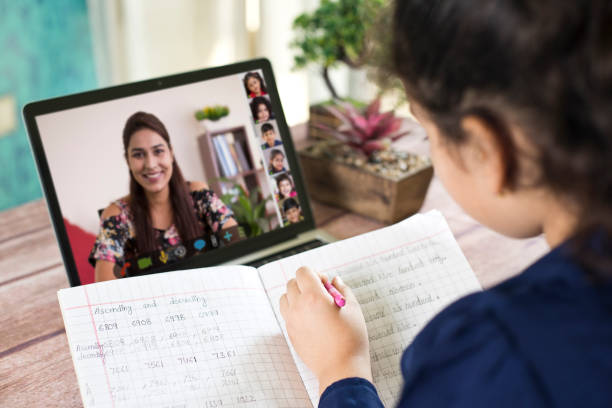
Distance Learning Instructors work in virtual environments, often from home or institutional setups, collaborating with students, educational technologists, content developers, and academic administrators through online platforms. Their responsibilities include creating digital course materials, facilitating virtual classes, engaging learners through interactive tools, and assessing progress via online assessments. They face challenges like addressing India’s digital divide, ensuring student engagement in a remote setting, and adapting to rapidly evolving technologies. By applying expertise in online pedagogy, digital content creation, and learner support, they enable education to reach diverse and remote populations. As key contributors to India’s education and training sectors, they drive advancements through trends like mobile learning apps, hybrid learning models, and data-driven personalized instruction.
| Route | Steps |
| Route 1: Bachelor’s in Education - Direct Entry | 1. Complete 10+2 in any stream with minimum 50% marks. 2. Pursue a Bachelor’s degree in Education (B.Ed., 2 years) or related fields via merit or entrance exams. 3. Gain experience through teaching or assisting in online education programs. 4. Progress to Distance Learning Instructor with skills and certifications. |
| Route 2: Bachelor’s to Master’s Pathway | 1. Complete 10+2 and enroll in a Bachelor’s degree in Education, Technology, or related fields. 2. Pursue a Master’s in Education (M.Ed., 2 years) or E-Learning via entrance exams or merit. 3. Build expertise through advanced study or internships in online learning. 4. Join specialized instructor roles with advanced qualifications. |
| Route 3: Diploma to Degree Pathway | 1. Complete 10+2 and enroll in a Diploma in Education Technology or Online Teaching (1-2 years). 2. Transition to a Bachelor’s degree in Education or Technology via lateral entry or direct admission. 3. Work in assistant online teaching roles for practical learning. 4. Build expertise to secure Distance Learning Instructor positions with experience. |
| Route 4: International Education Path | 1. Complete 10+2 and clear relevant language tests (e.g., IELTS, TOEFL). 2. Pursue education or e-learning degrees from international universities (e.g., USA, UK). 3. Gain global exposure through international online teaching or content development projects. 4. Return to India or work internationally in distance learning roles. |
| Route 5: Vocational to Professional Pathway | 1. Complete 10th or 12th standard and enroll in vocational teacher training or certificate courses in e-learning (6-12 months). 2. Pursue advanced diplomas or certifications in Online Education or Instructional Design. 3. Work as a part-time online facilitator for practical experience. 4. Build expertise and network to secure full-time Distance Learning Instructor positions. |
| Institute | Course/Program | Official Link |
| IGNOU (Indira Gandhi National Open University), Delhi | MA in Distance Education/Certificate in E-Learning | https://www.ignou.ac.in/ |
| Symbiosis Centre for Distance Learning (SCDL), Pune | PG Diploma in Educational Technology | https://www.scdl.net/ |
| University of Mumbai, Institute of Distance and Open Learning (IDOL), Mumbai | MA in Education (Distance Learning Focus) | https://www.mu.ac.in/ |
| National Institute of Open Schooling (NIOS), Noida | Diploma in Open and Distance Learning | https://www.nios.ac.in/ |
| Annamalai University Directorate of Distance Education, Chidambaram | MA in Education (E-Learning Focus) | https://www.annamalaiuniversity.ac.in/ |
| Netaji Subhas Open University (NSOU), Kolkata | MA in Education (Distance Learning) | https://www.wbnsou.ac.in/ |
| Tamil Nadu Open University (TNOU), Chennai | PG Diploma in E-Learning Technology | https://www.tnou.ac.in/ |
| University of Delhi, School of Open Learning (SOL), Delhi | MA in Education (Online Learning Focus) | https://www.sol.du.ac.in/ |
| Dr. B.R. Ambedkar Open University (BRAOU), Hyderabad | MA in Distance Education | https://www.braou.ac.in/ |
| Karnataka State Open University (KSOU), Mysore | PG Diploma in Online Education | https://www.ksoumysuru.ac.in/ |
| Institution | Course | Country | Official Link |
| University of Wisconsin-Madison, Madison | MS in Educational Technology and Distance Learning | USA | https://www.wisc.edu/ |
| University of Southern California (USC), Los Angeles | MA in Learning Design and Technology | USA | https://www.usc.edu/ |
| University of London, London | MA in Distance Education and E-Learning | UK | https://www.london.ac.uk/ |
| University of British Columbia, Vancouver | MA in Educational Technology and Online Learning | Canada | https://www.ubc.ca/ |
| University of Melbourne, Melbourne | MA in Digital Learning and Teaching | Australia | https://www.unimelb.edu.au/ |
| Indiana University Bloomington, Bloomington | MS in Instructional Systems Technology (Online) | USA | https://www.indiana.edu/ |
| University of Leicester, Leicester | MA in Online and Distance Education | UK | https://www.le.ac.uk/ |
| Athabasca University, Athabasca | M.Ed. in Distance Education | Canada | https://www.athabascau.ca/ |
| University of Technology Sydney (UTS), Sydney | MA in Digital Education | Australia | https://www.uts.edu.au/ |
| Open University, Milton Keynes | MA in Online and Distance Education | UK | https://www.open.ac.uk/ |
India:
International (for Relevant Studies or Exposure):
Distance Learning Instructor → Senior Distance Learning Instructor → Online Course Developer → E-Learning Program Manager → Director of Distance Education
| Indian Organizations | International Organizations |
| BYJU’S, Bangalore | Coursera, USA |
| Unacademy, Bangalore | edX, USA |
| Vedantu, Bangalore | Udemy, USA |
| SWAYAM (Government of India), Delhi | Khan Academy, USA |
| National Institute of Open Schooling (NIOS), Noida | FutureLearn, UK |
| IGNOU (Indira Gandhi National Open University), Delhi | Open University, UK |
| Symbiosis Centre for Distance Learning (SCDL), Pune | Athabasca University (Distance Education), Canada |
| Toppr, Mumbai | Alison, Ireland |
| Simplilearn, Bangalore | LinkedIn Learning, USA |
| UpGrad, Mumbai | Skillshare, USA |
| Pros | Cons |
| High impact through providing accessible education to diverse learners | High pressure due to maintaining student engagement in a virtual environment |
| Opportunity to work remotely, offering flexibility in location and schedule | Long hours spent on screen, leading to potential eye strain or fatigue |
| Key role in expanding education reach through digital platforms | Challenges in addressing digital access disparities among learners in India |
| Growing demand in India’s booming online education and edtech sectors | Stress from adapting to rapidly changing technologies and platforms |
| Potential for recognition through learner success and innovative course design | Limited personal interaction, which may hinder relationship-building with students |
| Career Level (Private/Public Sector Example) | India (₹ per annum) | International (USD per annum, Tentative) |
| Distance Learning Instructor (Entry to Mid-Level) | 2,50,000 - 5,00,000 | 25,000 - 40,000 |
| Senior Distance Learning Instructor (Mid-Level) | 5,00,000 - 8,00,000 | 40,000 - 55,000 |
| Online Course Developer (Senior Level) | 8,00,000 - 12,00,000 | 55,000 - 70,000 |
| E-Learning Program Manager (Top Tier) | 12,00,000 - 18,00,000 | 70,000 - 85,000 |
| Director of Distance Education (Elite Level) | 18,00,000 - 25,00,000+ | 85,000 - 100,000+ |
| Instructional Designer for E-Learning (Specialized Role) | 3,50,000 - 7,00,000 | 30,000 - 45,000 |
| Digital Learning Consultant (Specialized Role) | 4,00,000 - 8,00,000 | 35,000 - 50,000 |
Note: Salaries are indicative and vary based on location (metro vs. non-metro for India; country/region for international roles), employment type (edtech vs. freelance), and workload (full-time vs. part-time). Figures for India are updated estimates based on industry trends as of 2025, reflecting market growth, demand for online education, and data from sources like Glassdoor and industry reports. International figures are approximate averages based on global distance learning trends in countries like the USA, UK, or Canada, sourced from recent job portals and market analyses. Freelance instructors may earn per course or session.
A career in Distance Learning Instructor presents an exceptional chance to revolutionize education by merging digital expertise with a dedication to teaching, connecting learners across boundaries through virtual platforms, and leaving a significant imprint with every online lesson delivered. Distance Learning Instructors emerge as the vital architects of India’s digital education landscape, harnessing their technological acumen and instructional passion to empower students in a world of expanding virtual opportunities. This field intertwines innovative delivery with a commitment to accessible learning, paving avenues in online academic programs, professional training, edtech course development, and cutting-edge hybrid education models. For those captivated by the goal of broadening educational horizons through digital means, fueled by the ambition to enrich lives with flexible knowledge access, and prepared to address the complex demands of remote learner diversity, technological evolution, and virtual engagement challenges, a career as a Distance Learning Instructor offers a remarkably fulfilling mission. It enables individuals to fulfill the urgent need for scalable education, fortify the bridge to global learning communities, and contribute to a more connected society through the groundbreaking realm of online education.

Distance Learning Instructors teach online courses for schools or platforms in cities like Delhi and Mumbai, focusing on virtual delivery. They...
0.0LPA

Senior Instructors lead advanced online courses in hubs like Bangalore or Kolkata, mentoring junior educators. They design interactive content....
0.0LPA

Online Course Developers create digital curricula for platforms or institutions in metro cities like Chennai or Hyderabad, managing content...
0.0LPA
Take the next step and explore more about Distance Learning Instructor.
Explore similar career paths that might interest you