3D Printing Specialist
Junior 3D Printing Technician
Explore Career
An Esports Coach is a professional who trains, mentors, and strategizes with competitive gamers or teams to enhance their performance in video game tournaments and leagues. Combining expertise in gaming, strategy development, and player psychology, they guide athletes to achieve peak results in the fast-paced world of esports. This career falls under the Entertainment and Sports Technology career cluster, emphasizing leadership, analytical skills, and the growing professionalization of competitive gaming as a global industry.
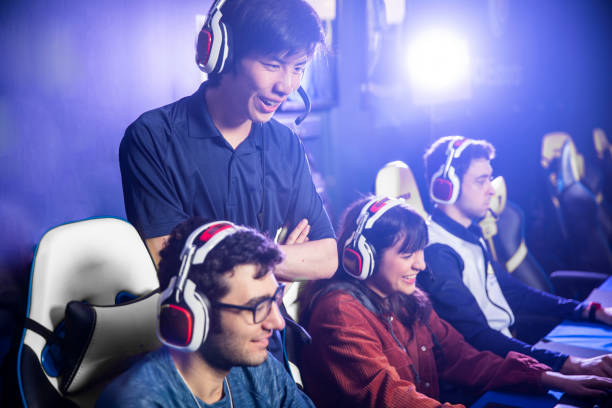
Esports Coaches play a critical role in shaping the success of professional gamers by providing tactical guidance, analyzing gameplay, and fostering team cohesion or individual growth. Their work involves creating training regimens, reviewing match footage for improvement, and preparing players for high-stakes competitions in games like League of Legends, Dota 2, or Counter-Strike. They often collaborate with team managers, analysts, and mental health professionals, working within esports organizations or as independent consultants. These coaches are essential in elevating the competitive level of esports, helping players navigate the pressures of professional gaming, and contributing to the sport’s legitimacy and structure
| Route | Steps |
| Route 1 (Self-Taught/Esports Experience Path) | 1. Basic education (10+2 or equivalent) with a strong background in competitive gaming 2. Gain experience as a high-level player or analyst through tournaments (2-4 years) 3. Self-study coaching techniques via online resources or mentorship (6-12 months) 4. Start coaching amateur teams or individuals to build a portfolio (1-2 years) |
| Route 2 (Sports Science and Psychology Path) | 1. Bachelor’s degree in Sports Science, Psychology, or related field (3-4 years) 2. Certificate or Short Course in Esports Coaching or Game Analysis (3-6 months) 3. Gain gaming knowledge through personal play or community involvement (1-2 years) 4. Coach local or online teams to develop practical experience (1-2 years) |
| Route 3 (Gaming and Technology Path) | 1. Bachelor’s degree in Computer Science, Game Design, or Media Studies (3-4 years) 2. Short course in Esports Management or Coaching Strategies (3-6 months) 3. Build expertise in specific games through competitive play or analysis (1-3 years) 4. Transition to coaching roles via internships or esports organizations (1-2 years) |
| Route 4 (Esports Community Path) | 1. Basic education (10+2 or equivalent) with early involvement in gaming communities 2. Gain recognition as a leader or mentor in online gaming circles (1-3 years) 3. Learn coaching through experience as a team captain or strategist (1-2 years) 4. Secure coaching roles with amateur or semi-pro teams through networking (1-2 years) |
| Route 5 (International Path) | 1. Basic education (10+2 or equivalent) with competitive gaming skills 2. Training or certification in Esports Coaching from international programs (6-12 months) 3. Gain experience by coaching in global online leagues or events (1-2 years) 4. Join international esports organizations or teams for broader exposure (1-2 years) |
| Institute | Course/Program | Official Link |
| National Institute of Esports and Gaming (NIEG), Mumbai | Esports Coaching and Management | Under development (Check local updates) |
| Lovely Professional University (LPU), Punjab | Esports and Sports Management | https://www.lpu.in/ |
| Amity University, Noida | Esports and Game Studies | https://www.amity.edu/ |
| SGT University, Gurugram | Esports Coaching and Management | https://sgtuniversity.ac.in/ |
| Symbiosis Institute of Media and Communication, Pune | Digital Media and Esports | https://www.simc.edu/ |
| Manipal Academy of Higher Education | Sports Science and Digital Media | https://manipal.edu/ |
| Pearl Academy, Delhi | Game Design and Esports Management | https://pearlacademy.com/ |
| Arena Animation, Multiple Locations | Gaming and Digital Content | https://www.arena-multimedia.com/ |
| Vellore Institute of Technology (VIT) | Gaming Technology and Management | https://vit.ac.in/ |
| IGNOU (Indira Gandhi National Open University) | Certificate in Sports and Digital Media | http://www.ignou.ac.in/ |
| Institution | Course | Country | Official Link |
| University of California, Irvine | Esports Management and Coaching | USA | https://www.uci.edu/ |
| Staffordshire University | Esports Coaching and Management | UK | https://www.staffs.ac.uk/ |
| University of Roehampton | Esports and Sports Management | UK | https://www.roehampton.ac.uk/ |
| New York University (NYU) | Game Design and Esports Studies | USA | https://www.nyu.edu/ |
| University of Toronto | Sports Management and Digital Media | Canada | https://www.utoronto.ca/ |
| Queensland University of Technology (QUT) | Esports and Interactive Media | Australia | https://www.qut.edu.au/ |
| Aalto University | Game Studies and Esports | Finland | https://www.aalto.fi/en |
| University of Southern California (USC) | Interactive Media and Esports | USA | https://www.usc.edu/ |
| Nanyang Technological University (NTU) | Digital Entertainment and Esports | Singapore | https://www.ntu.edu.sg/ |
| Becker College (now part of Clark University) | Esports Management and Coaching | USA | https://www.clarku.edu/ |
India:
International:
Esports Coach → Senior Esports Coach → Head Coach of Esports Team → Esports Program Director → Esports Franchise Strategist
| India | International |
| Global Esports | Team Liquid, USA |
| Velocity Gaming | Cloud9, USA |
| GodLike Esports | Fnatic, UK |
| Team Soul | G2 Esports, Spain |
| Orangutan Gaming | T1, South Korea |
| S8UL Esports | Evil Geniuses, USA |
| 7Sea Esports | 100 Thieves, USA |
| Enigma Gaming | FaZe Clan, USA |
| Revenant Esports | OG, Denmark |
| Team Vitality India | Team Secret, Europe |
| Pros | Cons |
| Opportunity to shape the careers of professional gamers | High pressure to deliver results in a highly competitive environment |
| Growing demand as esports becomes more professionalized | Long, irregular hours during tournament seasons or training camps |
| Potential for international recognition and travel | Limited job security, often tied to team performance or contracts |
| Ability to transition from player to coach, extending career longevity | Need to constantly adapt to new games, metas, and coaching techniques |
| Rewarding role in building team success and player growth | Emotional toll of managing player stress, conflicts, or burnout |
(Figures are approximate and based on the latest available data and projections for 2026, subject to change. Indian figures reflect the emerging esports market in urban areas and organizational growth. International figures are based on US/UK/South Korean markets with adjustments for demand, team success, and league structures. Earnings can vary based on team performance, reputation, and contract terms.)
| Career Level | India (₹ per annum) | International (US$ per annum) |
| Senior Esports Coach | 8,00,000 - 20,00,000 | $40,000 - $100,000 |
| Head Coach of Esports Team | 15,00,000 - 30,00,000 | $75,000 - $150,000 |
| Esports Program Director | 20,00,000 - 40,00,000 | $100,000 - $200,000 |
| Esports Franchise Strategist | 25,00,000 - 50,00,000 | $120,000 - $250,000 |
| Global Esports Consultant | 30,00,000 - 60,00,000 | $150,000 - $300,000 |
A career as an Esports Coach offers a unique opportunity to shape the future of competitive gaming, blending strategic expertise, leadership, and mentorship to guide players and teams to victory in a rapidly growing global industry. These professionals are at the heart of esports’ professionalization, transforming raw talent into champions while navigating the dynamic challenges of digital competition. With opportunities spanning team coaching, program direction, and international consulting, this field is ideal for those passionate about gaming, strategy, and player development. For individuals ready to lead and inspire in the virtual arena, this career presents a fulfilling and impactful path with the potential to leave a lasting mark on the world of esports.
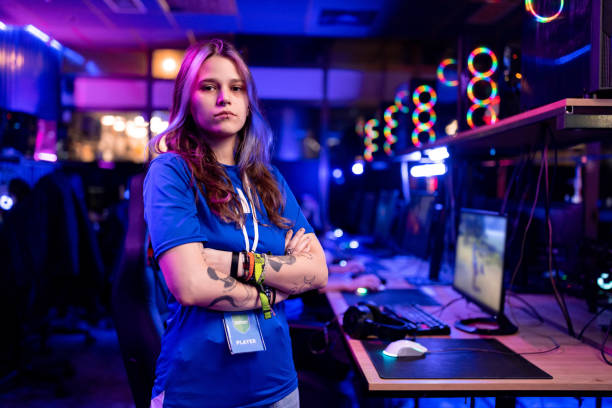
An experienced coach who trains high-level players or teams, leveraging deep game knowledge and proven strategies to achieve consistent tournament...
0.0LPA
Oversees all coaching aspects for a professional team, leading strategy development, player development, and in-game decision-making across...
0.0LPA
Manages the broader training and competitive programs for an esports organization, coordinating multiple coaches, teams, and talent pipelines to...
0.0LPA
Take the next step and explore more about Esports Coach.
Explore similar career paths that might interest you