
Athlete
Amateur Athlete (Regional/State Level)
Explore Career
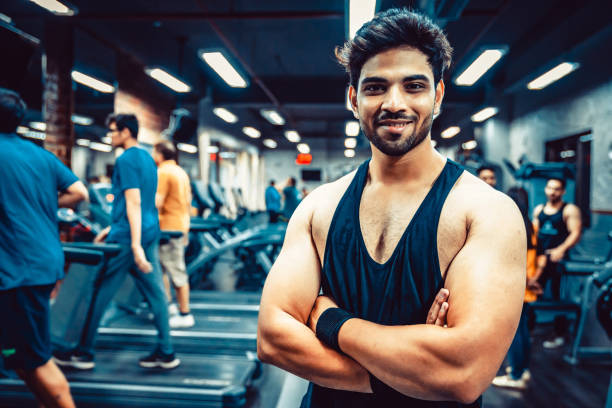
A Fitness Trainer is a professional who designs and delivers exercise programs to help clients achieve their health, fitness, and performance goals, promoting overall well-being. They work in gyms, fitness studios, sports facilities, or as independent contractors, collaborating with clients, nutritionists, and healthcare professionals. Fitness Trainers play a crucial role in fostering physical health, preventing lifestyle diseases, and inspiring motivation in a field driven by science, personalization, and wellness trends.

Fitness Trainers are energetic and knowledgeable professionals who operate in dynamic environments like gyms, outdoor spaces, or virtual platforms, using tools such as fitness equipment, tracking apps, and assessment techniques. Their role involves creating tailored workout plans, guiding clients through exercises, and ensuring safety, often facing challenges like client adherence or injury risks. They combine expertise in exercise physiology, nutrition, and behavioral coaching to empower individuals. As key contributors to the health and wellness industry, they help shape the future of fitness, preventive care, and active lifestyles in a sector increasingly driven by technology, holistic approaches, and global health awareness.
| Route | Steps |
| Route 1 | 1. 10+2 in any stream 2. Certificate in Fitness Training or Personal Training (3-6 months) 3. Internship or assistant role in gyms or fitness centers 4. Practice as Junior Fitness Trainer |
| Route 2 | 1. 10+2 in any stream 2. Diploma in Fitness and Nutrition or Sports Science (1-2 years) 3. Internship or entry-level role in fitness facilities 4. Work as Fitness Trainer or Group Instructor |
| Route 3 | 1. 10+2 in Science stream (preferred) 2. Bachelor’s degree in Physical Education, Sports Science, or Kinesiology (3-4 years) 3. Certification in Personal Training or Specialization (3-6 months) 4. Gain practical experience in fitness centers 5. Work as Certified Fitness Trainer or Specialist |
| Route 4 | 1. 10+2 in any stream 2. Bachelor’s degree in Sports Science or related field (3-4 years) 3. Master’s degree in Exercise Physiology or Sports Management (2 years) 4. Advanced certifications or leadership roles 5. Practice as Senior Fitness Trainer or Fitness Director |
| Institute | Course/Program | Official Link |
| Indira Gandhi Institute of Physical Education and Sports Sciences (IGIPESS), Delhi | Bachelor’s/Master’s in Physical Education | https://www.igipess.du.ac.in/ |
| Lakshmibai National Institute of Physical Education (LNIPE), Gwalior | Bachelor’s/Master’s in Physical Education | https://www.lnipe.edu.in/ |
| Netaji Subhas National Institute of Sports (NSNIS), Patiala | Diploma/Certificate in Sports Coaching | https://www.nsnis.org/ |
| Khelo India University, Multiple Locations | Bachelor’s in Sports Science | https://www.kheloindia.gov.in/ |
| Amity School of Physical Education & Sports Sciences, Noida | Bachelor’s/Master’s in Sports Science | https://www.amity.edu/ |
| SRM Institute of Science and Technology, Chennai | Bachelor’s in Physical Education | https://www.srmist.edu.in/ |
| Lovely Professional University (LPU), Punjab | Bachelor’s/Master’s in Physical Education | https://www.lpu.in/ |
| Christ University, Bangalore | Bachelor’s in Physical Education | https://www.christuniversity.in/ |
| Guru Nanak Dev University, Amritsar | Bachelor’s/Master’s in Sports Science | https://www.gndu.ac.in/ |
| Symbiosis School of Sports Sciences, Pune | Bachelor’s/MBA in Sports Management | https://www.ssss.edu.in/ |
| Institution | Course | Country | Official Link |
| University of Florida, College of Health and Human Performance | BS/MS in Exercise Science | USA | https://hhp.ufl.edu/ |
| Loughborough University, School of Sport, Exercise and Health Sciences | BS/MS in Sport Science | UK | https://www.lboro.ac.uk/ |
| University of Queensland, School of Human Movement and Nutrition Sciences | BS/MS in Exercise Science | Australia | https://www.uq.edu.au/ |
| University of British Columbia, School of Kinesiology | BS/MS in Kinesiology | Canada | https://www.kinesiology.ubc.ca/ |
| University of Illinois at Urbana-Champaign, Department of Kinesiology | BS/MS in Kinesiology | USA | https://ahs.illinois.edu/ |
| University of Sydney, Faculty of Health Sciences | BS/MS in Exercise Physiology | Australia | https://www.sydney.edu.au/ |
| McMaster University, Department of Kinesiology | BS/MS in Kinesiology | Canada | https://www.science.mcmaster.ca/ |
| University of Birmingham, School of Sport, Exercise and Rehabilitation Sciences | BS/MS in Sport Science | UK | https://www.birmingham.ac.uk/ |
| University of Southern California, Division of Biokinesiology and Physical Therapy | MS in Exercise Science | USA | https://pt.usc.edu/ |
| Karolinska Institutet, Department of Physiology and Pharmacology | MS in Sports Science | Sweden | https://www.ki.se/ |
India:
International:
Fitness Assistant → Junior Fitness Trainer → Fitness Trainer → Senior Fitness Trainer → Fitness Specialist → Fitness Program Manager → Director of Fitness Operations → Regional Fitness Director → Chief Fitness Officer → Fitness Training Consultant
| India | International |
| Cult.fit, Multiple Locations | Planet Fitness, Global |
| Fitness First India, Multiple Locations | Gold’s Gym, Global |
| Talwalkars Better Value Fitness, Multiple Locations | Anytime Fitness, Global |
| Snap Fitness India, Multiple Locations | Equinox, USA |
| HealthifyMe, Digital Platform | LA Fitness, USA |
| Decathlon Sports India, Multiple Locations | Virgin Active, Global |
| Gatorade Sports Science Institute, India | Crunch Fitness, Global |
| Fitternity, Digital Platform | Orangetheory Fitness, Global |
| VLCC Health Care, Multiple Locations | SoulCycle, USA |
| Anytime Fitness India, Multiple Locations | Peloton, Global (Digital & Hardware) |
| Pros | Cons |
| Opportunity to directly impact clients’ health and well-being | Often involves irregular hours, including early mornings or weekends |
| High personal satisfaction in helping clients achieve fitness goals | Can face physical demands and risk of personal injury during training |
| Rewarding role in the growing health and wellness industry | May require continuous learning to keep up with fitness trends and science |
| Diverse career paths across gyms, sports, corporate, and online platforms | Risk of burnout due to high-energy demands and client expectations |
| Strong potential for growth with increasing focus on preventive health | Uncertainty in income for freelancers due to client retention challenges |
| Career Level | India (₹ per annum) | International (USD per annum) |
| Fitness Assistant (Early Career) | 1,50,000 - 3,00,000 | 20,000 - 30,000 |
| Junior Fitness Trainer (Mid-Career) | 3,00,000 - 6,00,000 | 30,000 - 45,000 |
| Fitness Trainer | 6,00,000 - 10,00,000 | 45,000 - 60,000 |
| Senior Fitness Trainer/Program Manager | 10,00,000 - 18,00,000 | 60,000 - 80,000 |
| Director of Fitness Operations/Expert | 18,00,000+ | 80,000+ |
| Note: Salaries may vary based on location, employer, experience, and specialization. |
A career as a Fitness Trainer offers a profound opportunity to transform lives, driving progress through physical expertise and motivational support, fostering health with every session. Fitness Trainers are the architects of well-being, using their skills to empower clients, address health challenges, and promote active lifestyles across diverse settings. This profession blends scientific knowledge with personal connection, providing pathways in gyms, sports, digital platforms, and beyond. For those passionate about health, driven by a desire to inspire change, and eager to embrace the evolving landscape of digital tools and holistic fitness, becoming a Fitness Trainer is a deeply rewarding journey. It empowers individuals to shape fitness outcomes, address critical health needs, and advance human progress through the transformative power of fitness training.


Entry-level individuals who support trainers with client sessions, equipment setup, and basic administrative tasks in gyms or studios. They gain...
0.0LPA

Mid-level professionals who independently assess clients and design tailored programs to improve health and performance. They lead one-on-one or...
0.0LPA
Experienced professionals who oversee complex client cases, often specializing in areas like strength conditioning or rehabilitation. They ensure...
0.0LPA
Take the next step and explore more about Fitness Trainer.
Explore similar career paths that might interest you