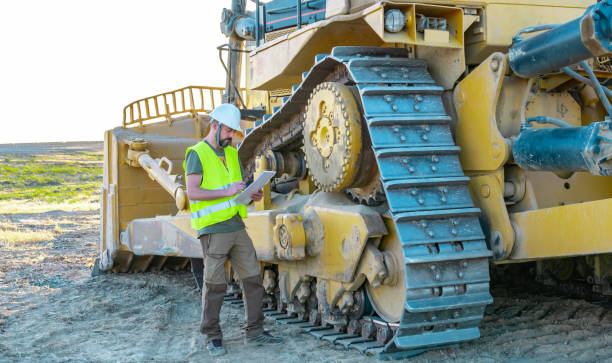
Overview
A Heavy Equipment Operator is a skilled tradesperson responsible for operating large machinery such as bulldozers, excavators, cranes, and loaders to perform tasks like excavation, grading, lifting, and material handling in construction, mining, and infrastructure projects. They ensure efficiency and safety while adhering to operational and regulatory standards. This comprehensive guide provides the latest information (based on trends and data up to 2026) on job roles, education, salary, and prospects within India for this vocational career, with a focus on both government and private sectors.
Roles and Responsibilities
a) Technical and Operational Responsibilities:
- Operate heavy machinery, including bulldozers, excavators, backhoes, cranes, and forklifts, to perform tasks such as digging, lifting, grading, or transporting materials at construction or industrial sites.
- Inspect equipment before and after use, checking for mechanical issues, fuel levels, and safety features to ensure proper functioning and prevent accidents.
- Diagnose and troubleshoot minor equipment malfunctions, such as hydraulic or engine issues, and perform basic maintenance or report complex problems to technicians.
- Follow project blueprints, site plans, or supervisor instructions to execute tasks accurately while maintaining timelines and safety protocols.
- Work on specialized operations like underwater excavation, high-altitude crane operation, or hazardous material handling with additional training and certifications.
b) Administrative and Safety Responsibilities:
- Interpret project requirements, safety guidelines, and equipment manuals to ensure compliance with operational standards and site-specific rules.
- Communicate with site supervisors, engineers, or team members to coordinate tasks, report progress, and address operational challenges.
- Maintain records of equipment usage, maintenance logs, and work hours for compliance with labor laws and project documentation.
- Ensure adherence to safety standards and regulations, such as wearing protective gear, following Occupational Safety and Health (OSH) guidelines, and securing work zones to prevent hazards.
- Collaborate with other construction professionals, such as engineers or laborers, to integrate equipment operations into broader project workflows.
Study Route & Eligibility Criteria
Heavy Equipment Operator Study Route & Eligibility Criteria
Study route information is not available for this career.
Heavy Equipment Operator
Professional