Indian Administrative Service (IAS)

The Indian Civil Services (ICS), often referred to as the Civil Services under the Government of India, represent a group of prestigious government roles responsible for public administration, policy implementation, and governance at national and state levels. Among these, the Indian Administrative Service (IAS), the premier service within this framework, stands out as the backbone of India’s administrative machinery. IAS officers are tasked with managing critical administrative functions, ensuring law and order (in coordination with other services like IPS), and driving developmental initiatives. Civil servants, particularly IAS officers, play an indispensable role in nation-building, public welfare, and policy execution. This career is vital to governance, social justice, and economic progress, contributing to advancements through trends such as e-governance, data-driven policymaking, and sustainable development initiatives. With India’s population exceeding 1.4 billion (as of 2023) and initiatives like Digital India and Smart Cities gaining momentum, the demand for competent civil servants remains high.
Share :
Career tree mind map (horizontal) — Indian Administrative Service (IAS)
Colored branches, hub circles, and underlined topics — same style as counselor course classic (types 18–19 in admin).
Loading mind map…

Overview

The Indian Civil Services (ICS), often referred to as the Civil Services under the Government of India, represent a group of prestigious government roles responsible for public administration, policy implementation, and governance at national and state levels. Among these, the Indian Administrative Service (IAS), the premier service within this framework, stands out as the backbone of India’s administrative machinery. IAS officers are tasked with managing critical administrative functions, ensuring law and order (in coordination with other services like IPS), and driving developmental initiatives. Civil servants, particularly IAS officers, play an indispensable role in nation-building, public welfare, and policy execution. This career is vital to governance, social justice, and economic progress, contributing to advancements through trends such as e-governance, data-driven policymaking, and sustainable development initiatives. With India’s population exceeding 1.4 billion (as of 2023) and initiatives like Digital India and Smart Cities gaining momentum, the demand for competent civil servants remains high.

Indian Civil Services officers, with a special focus on IAS officers, operate in diverse settings including district administrations, state secretariats, central ministries, and even international assignments. They collaborate with politicians, community leaders, other government agencies, and civil society to ensure effective governance. Their roles encompass policy formulation, program implementation, crisis management, and public service delivery while addressing challenges like bureaucratic red tape, political pressures, resource constraints, and the need for adaptability in India’s complex socio-economic landscape. IAS officers face additional issues such as frequent transfers, public expectations, and balancing administrative duties with ethical considerations amidst evolving governance demands. By leveraging expertise in administration, law, decision-making, and socio-economic issues, they ensure public welfare and systemic efficiency. As key contributors to India’s development, they propel progress through trends like digital governance, inclusive policies, public-private partnerships, and smart city initiatives.

Roles and Responsibilities

💼
Indian Administrative Service (IAS)
Roles and Responsibilities
Policy Formulation and Implementation
Design and execute government policies at district, state, or national levels for public welfare.
Monitor and evaluate policy impacts on target populations, making adjustments as needed.
District Administration (Specific to IAS)
Manage district-level governance as District Magistrates or Collectors, overseeing law and order, revenue collection, and development projects.
Coordinate with local bodies to address public grievances and ensure service delivery.
Public Welfare and Development Programs
Implement flagship schemes like Swachh Bharat, MGNREGA, or health initiatives in assigned regions.
Ensure equitable distribution of resources and benefits to marginalized communities.
Crisis and Disaster Management
Lead response efforts during natural disasters, riots, or public health emergencies.
Coordinate relief, rehabilitation, and recovery operations with multiple agencies.
Law and Order Coordination (IAS with IPS Support)
Maintain public safety by working with police and other forces to prevent and address unrest.
Enforce regulations and mediate conflicts to ensure social harmony.
Financial and Resource Management
Oversee budgets, allocate resources, and ensure transparency in government spending.
Manage public infrastructure projects like roads, schools, and hospitals.
Public Interaction and Grievance Redressal
Engage with citizens to understand local issues and provide solutions through public hearings.
Act as a bridge between the government and the people for effective communication.
International and Diplomatic Roles (for Senior IAS Officers)
Represent India in international forums or work on foreign policy in central ministries.
Manage bilateral projects or aid programs in collaboration with global organizations.
Capacity Building and Training
Train and mentor junior officers or staff to enhance administrative efficiency.
Stay updated on governance trends through workshops and government training programs.

Roles and Responsibilities

  • Policy Formulation and Implementation
    • Design and execute government policies at district, state, or national levels for public welfare.
    • Monitor and evaluate policy impacts on target populations, making adjustments as needed.
  • District Administration (Specific to IAS)
    • Manage district-level governance as District Magistrates or Collectors, overseeing law and order, revenue collection, and development projects.
    • Coordinate with local bodies to address public grievances and ensure service delivery.
  • Public Welfare and Development Programs
    • Implement flagship schemes like Swachh Bharat, MGNREGA, or health initiatives in assigned regions.
    • Ensure equitable distribution of resources and benefits to marginalized communities.
  • Crisis and Disaster Management
    • Lead response efforts during natural disasters, riots, or public health emergencies.
    • Coordinate relief, rehabilitation, and recovery operations with multiple agencies.
  • Law and Order Coordination (IAS with IPS Support)
    • Maintain public safety by working with police and other forces to prevent and address unrest.
    • Enforce regulations and mediate conflicts to ensure social harmony.
  • Financial and Resource Management
    • Oversee budgets, allocate resources, and ensure transparency in government spending.
    • Manage public infrastructure projects like roads, schools, and hospitals.
  • Public Interaction and Grievance Redressal
    • Engage with citizens to understand local issues and provide solutions through public hearings.
    • Act as a bridge between the government and the people for effective communication.
  • International and Diplomatic Roles (for Senior IAS Officers)
    • Represent India in international forums or work on foreign policy in central ministries.
    • Manage bilateral projects or aid programs in collaboration with global organizations.
  • Capacity Building and Training
    • Train and mentor junior officers or staff to enhance administrative efficiency.
    • Stay updated on governance trends through workshops and government training programs.

Study Route & Eligibility Criteria

Study Route & Eligibility Criteria
Indian Administrative Service (IAS)
Undergraduate Degree with UPSC Exam
🎓
1
Complete 10+2 in any stream with minimum passing marks.
🏛️
2
Pursue a Bachelor’s degree in any discipline .
3-4 years
📚
3
Prepare for and clear the UPSC Civil Services Examination with IAS as preference.
💼
4
Undergo training at Lal Bahadur Shastri National Academy of Administration and start as Assistant Collector or equivalent.
Postgraduate Degree with UPSC Exam
🏛️
1
Complete a Bachelor’s degree in any discipline.
🏛️
2
Pursue a Master’s degree in Public Administration, Law, or related fields for deeper knowledge.
1-2 years
📚
3
Clear the UPSC CSE with preferred service choice.
💼
4
Join Civil Services after training at LBSNAA.
Professional Degree with UPSC Exam
🎓
1
Complete 10+2 in relevant stream with minimum 50-60% marks.
🏛️
2
Pursue a professional degree like B.Tech, MBBS, or LLB .
4-5 years
📚
3
Prepare for and clear the UPSC CSE with chosen service.
💼
4
Start Civil Services career post-training at LBSNAA.
Humanities/Social Sciences Focus with UPSC Exam
🎓
1
Complete 10+2 in Arts or Humanities with minimum 50-60% marks.
🏛️
2
Pursue a B.A. in Political Science, History, or Sociology .
3 years
📚
3
Clear the UPSC CSE opting for IAS or other services.
💼
4
Begin Civil Services after LBSNAA training.
State Civil Services to Central Services (Limited Scope)
🏛️
1
Hold a Bachelor’s degree in any discipline.
📚
2
Join State Civil Services through state-level exams .
📚
3
Gain experience and attempt promotion to All India Services like IAS through limited competitive exams by UPSC.
💼
4
Transition to Civil Services roles after selection and training.
🎯 Indian Administrative Service (IAS) - Professional

Significant Observations (Academic Related Points)

💡
Indian Administrative Service (IAS)
Academic Related Points
1
Eligibility Criteria
Candidates must hold a Bachelor’s degree in any discipline from a recognized university; age limit is 21-32 years (as of August 1 of exam year) with relaxations for reserved categories; Indian citizenship is mandatory for IAS.
2
Competitive Examination
Clearing the UPSC Civil Services Examination (CSE) with three stages—Prelims, Mains, and Interview—is mandatory for entry into IAS and other services.
3
Age and Attempt Limit
General category candidates get 6 attempts, OBC 9, and SC/ST unlimited (up to age limit).
4
Professional Certifications
Not mandatory, but courses in public policy or governance (e.g., from IGNOU) can aid preparation.
5
Practical Skills
Strong analytical, communication, leadership, and decision-making skills are critical for administrative roles.
6
Physical Standards
Basic fitness required; specific medical tests conducted post-selection for service fitness.
7
Multidisciplinary Knowledge
Understanding governance, history, geography, polity, economy, and current affairs is essential for exam and job roles.
8
Continuous Learning
Staying updated on national policies, international relations, and technology trends is key for career growth and service.
9
Field Readiness
Training at LBSNAA prepares officers for real-world challenges in governance and administration.
10
Interdisciplinary Awareness
Knowledge of law, economics, and technology aids in effective policy implementation.
11
Cultural Adaptability
Sensitivity to diverse regional cultures and languages is crucial for field postings across India.
12
Teamwork and Networking Ability
Collaboration with government departments, NGOs, and citizens, along with connections to policymakers, boosts career opportunities.
13
Ethical Commitment
Dedication to public service, integrity, and ethics drives long-term success in Civil Services.

Internships & Practical Exposure

💼
Indian Administrative Service (IAS)
Internships & Practical Experience
1
Exposure through internships or volunteer work with government departments, NGOs, or local bodies for grassroots governance insights.
2
Training in district administration offices to understand public interaction and administrative processes during preparation or post-selection at LBSNAA.
3
Participation in mock interviews and group discussions at coaching institutes to simulate the UPSC interview stage.
4
Observerships with local bodies like Panchayats or municipal corporations to learn about rural and urban development challenges.
5
Involvement in social welfare or community development projects for practical skills in program implementation and public engagement.
6
Exposure to e-governance tools and digital platforms during training for modern administrative efficiency.
7
Workshops on policy analysis, disaster management, public health, and leadership skills for administrative and crisis response expertise.
8
Volunteer roles in government programs like Swachh Bharat or Digital India to apply theoretical knowledge and build professional networks.
9
Collaborative initiatives with governance startups or think tanks for real-world problem-solving exposure in areas like rural development or smart governance.

Courses & Specializations to Enter the Field

📚
Indian Administrative Service (IAS)
Courses & Specializations
📖
Bachelor’s in any discipline (B.A./B.Sc./B.Tech) for eligibility to appear in UPSC CSE.
📖
Master’s in Public Administration, Political Science, Sociology, or Governance Studies (M.A./M.Sc.) for advanced expertise and deeper preparation insights.
📖
Professional Degrees like Law (LLB), Engineering (B.Tech), or Medicine (MBBS) for domain-specific advantages in service.
📖
Specializations in Public Policy, Rural Development, Urban Planning, or International Relations during higher studies.
📖
Short-term courses on Indian Polity, History, Current Affairs, E-Governance, and Digital Administration for UPSC preparation.
📖
Training in Leadership, Ethics in Governance, Disaster Management, and Public Health Administration through online platforms or institutes.
📖
Certifications like IGNOU’s Diploma in Public Administration, NITI Aayog courses, or Ethics in Governance for professional credibility and governance knowledge.

Prominent Employers

🏢
Indian Administrative Service (IAS)
🌟 Top Companies & Organizations
🇮🇳 India
🌍 International

Advice for Aspiring Indian Administrative Service (IAS)s

💡
Indian Administrative Service (IAS)
🌟 Tips for Students & Parents
1
Build a strong academic foundation across diverse subjects like history, polity, and current affairs for UPSC preparation.
2
Start UPSC CSE preparation early by reading NCERTs, newspapers (The Hindu, Indian Express), and standard reference books like Yojana magazine.
3
Join reputed coaching institutes like Vajiram & Ravi or opt for self-study with online resources like ClearIAS for structured guidance.
4
Develop analytical and writing skills by practicing answer writing for UPSC Mains and taking regular mock tests.
5
Gain exposure through internships or volunteering with government bodies, NGOs, or social projects to understand ground realities.
6
Stay updated on national and international issues, government policies, and socio-economic challenges through PIB updates and policy reports.
7
Engage in mock interviews and personality development programs to refine communication skills and confidence for the UPSC interview stage.
8
Work on leadership, decision-making, and ethical governance skills to handle administrative challenges and balance public needs.
9
Explore state civil services as a stepping stone if initial UPSC attempts are unsuccessful, aiming for promotion to IAS later.
10
Volunteer in community initiatives like Swachh Bharat to build empathy and understand public issues at the grassroots level.
11
Cultivate resilience and perseverance to handle the rigorous exam process, frequent transfers, and high-pressure environments in service.
12
Explore international exposure or higher studies in public policy for a broader governance perspective and innovative ideas.
13
Attend continuing education programs or workshops to stay abreast of trends like e-governance, data analytics, and sustainable development.
14
Commit to societal impact by aiming to solve real issues like poverty, education, and health through your role as a civil servant.
🎓 Final Message
A career in the Indian Civil Services, with a focus on the Indian Administrative Service (IAS), offers a transformative opportunity to shape the nation’s future by driving governance, public welfare, and systemic change. Civil servants, especially IAS officers, are the architects of India’s administrative framework, using their expertise, leadership, and commitment to ensure effective governance, uphold justice, and combat societal challenges across diverse regions. This profession blends a passion for public service with strategic decision-making, providing diverse pathways in district administration, state secretariats, central ministries, law enforcement, diplomacy, and beyond. For those passionate about nation-building, driven by a desire to serve the public through governance, and eager to navigate the evolving landscape of public administration, becoming a Civil Services officer is a deeply rewarding journey. It empowers individuals to address critical national needs, maintain systemic integrity, and advance human well-being through the transformative power of responsible, impactful, and accessible governance.
Knowledge & Skills You Will Learn
1
Sustainable Development Goals (SDGs): Aligning national policies with global sustainability targets for long-term impact.
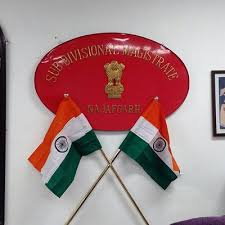
Probationary Officer/Assistant Collector/SDM (Entry Level - IAS)

Probationary Officer/Assistant Collector/SDM (Entry Level - IAS)

Entry-level IAS trainees at LBSNAA learning administrative skills, later managing sub-divisions, handling law and order, and initiating...

0.0LPA
Additional District Magistrate (ADM) (Early-Mid Level - IAS)

Additional District Magistrate (ADM) (Early-Mid Level - IAS)

Early-to-mid-level IAS officers assisting DMs in larger administrative tasks, focusing on sectors like revenue or welfare. They supervise local...

0.0LPA
District Magistrate (DM)/Collector (Mid-Level - IAS)

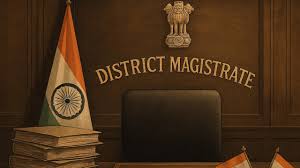
District Magistrate (DM)/Collector (Mid-Level - IAS)

Mid-level IAS experts leading district administration, ensuring law and order, revenue collection, and scheme implementation. They act as key...

0.0LPA

Interested in this career?

Take the next step and explore more about Indian Administrative Service (IAS).