Indian Coast Guard

The Indian Coast Guard (ICG) is a maritime law enforcement and search-and-rescue agency under the Ministry of Defence, Government of India, responsible for protecting the nation’s maritime interests, enforcing maritime laws, and ensuring safety in coastal waters. Established on February 1, 1977, the Indian Coast Guard plays a pivotal role in safeguarding India’s 7,516 km coastline, preventing smuggling, protecting marine environments, and conducting humanitarian missions. Indian Coast Guard personnel are critical to ensuring national maritime security, coastal safety, and disaster response. This career is vital to national sovereignty, economic protection through maritime trade, and environmental conservation. Coast Guard professionals contribute to advancements through trends such as modernized surveillance systems, integration of advanced maritime technologies, and enhanced inter-agency coordination.
Share :
Career tree mind map (horizontal) — Indian Coast Guard
Colored branches, hub circles, and underlined topics — same style as counselor course classic (types 18–19 in admin).
Loading mind map…

Overview

The Indian Coast Guard (ICG) is a maritime law enforcement and search-and-rescue agency under the Ministry of Defence, Government of India, responsible for protecting the nation’s maritime interests, enforcing maritime laws, and ensuring safety in coastal waters. Established on February 1, 1977, the Indian Coast Guard plays a pivotal role in safeguarding India’s 7,516 km coastline, preventing smuggling, protecting marine environments, and conducting humanitarian missions. Indian Coast Guard personnel are critical to ensuring national maritime security, coastal safety, and disaster response. This career is vital to national sovereignty, economic protection through maritime trade, and environmental conservation. Coast Guard professionals contribute to advancements through trends such as modernized surveillance systems, integration of advanced maritime technologies, and enhanced inter-agency coordination.

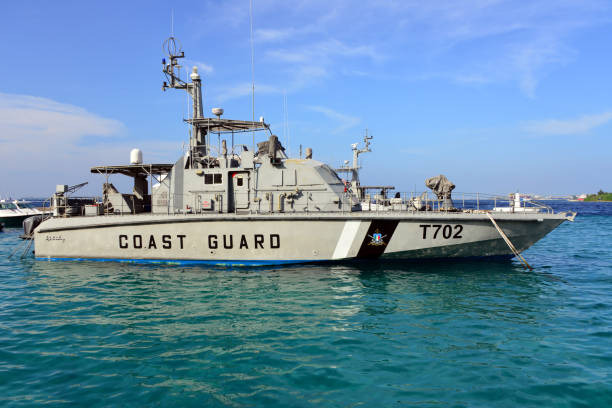
Indian Coast Guard personnel work in diverse settings such as coastal stations, patrol vessels, aircraft, command headquarters, and training institutes, often collaborating with the Indian Navy, state police, customs, and international maritime agencies. Their roles include maritime law enforcement, search-and-rescue operations, pollution control, and coastal security. They face challenges like high-risk operations in adverse weather, physical demands of sea duties, and prolonged separations from family. By leveraging expertise in maritime surveillance, navigation, and emergency response, Indian Coast Guard officers and sailors ensure coastal safety and legal compliance. As key contributors to India’s maritime defence, they drive progress through trends like drone-based surveillance, indigenous vessel production, and cybersecurity in maritime operations.
Roles and Responsibilities

💼
Indian Coast Guard
Roles and Responsibilities
Maritime Law Enforcement (General Duty Branch)
Patrol coastal waters to prevent smuggling, illegal fishing, and trafficking of drugs or arms.
Enforce maritime laws and regulations within India’s Exclusive Economic Zone (EEZ).
Search and Rescue Operations
Conduct rescue missions for distressed vessels, fishermen, and civilians during maritime emergencies.
Coordinate with other agencies to provide timely assistance in disaster scenarios.
Marine Pollution Control
Monitor and respond to oil spills and other environmental hazards in coastal waters.
Implement measures to protect marine ecosystems from pollution and degradation.
Coastal Security and Surveillance
Guard coastal borders against infiltration, terrorism, and unauthorized activities.
Use advanced radar, drones, and vessels for continuous monitoring of maritime zones.
Vessel and Equipment Maintenance (Technical Branch)
Oversee the repair and upkeep of Coast Guard ships, aircraft, and technical systems.
Ensure operational readiness through compliance with safety and performance standards.
Navigation and Communication
Manage navigation of patrol vessels and aircraft using modern systems for safe operations.
Maintain secure communication channels for coordination during missions.
Administrative and Personnel Management
Handle recruitment, training, and welfare of personnel across Coast Guard units.
Manage documentation, policy enforcement, and logistical planning for operations.
Training and Skill Development
Train recruits and personnel in maritime law enforcement, rescue techniques, and operational readiness.
Design drills and simulations to prepare for diverse coastal and sea-based scenarios.

Roles and Responsibilities

  • Maritime Law Enforcement (General Duty Branch)
    • Patrol coastal waters to prevent smuggling, illegal fishing, and trafficking of drugs or arms.
    • Enforce maritime laws and regulations within India’s Exclusive Economic Zone (EEZ).
  • Search and Rescue Operations
    • Conduct rescue missions for distressed vessels, fishermen, and civilians during maritime emergencies.
    • Coordinate with other agencies to provide timely assistance in disaster scenarios.
  • Marine Pollution Control
    • Monitor and respond to oil spills and other environmental hazards in coastal waters.
    • Implement measures to protect marine ecosystems from pollution and degradation.
  • Coastal Security and Surveillance
    • Guard coastal borders against infiltration, terrorism, and unauthorized activities.
    • Use advanced radar, drones, and vessels for continuous monitoring of maritime zones.
  • Vessel and Equipment Maintenance (Technical Branch)
    • Oversee the repair and upkeep of Coast Guard ships, aircraft, and technical systems.
    • Ensure operational readiness through compliance with safety and performance standards.
  • Navigation and Communication
    • Manage navigation of patrol vessels and aircraft using modern systems for safe operations.
    • Maintain secure communication channels for coordination during missions.
  • Administrative and Personnel Management
    • Handle recruitment, training, and welfare of personnel across Coast Guard units.
    • Manage documentation, policy enforcement, and logistical planning for operations.
  • Training and Skill Development
    • Train recruits and personnel in maritime law enforcement, rescue techniques, and operational readiness.
    • Design drills and simulations to prepare for diverse coastal and sea-based scenarios.

Study Route & Eligibility Criteria

Study Route & Eligibility Criteria
Indian Coast Guard
Assistant Commandant (General Duty/Technical) - Officer Cadre
🏛️
1
Complete a Bachelor’s degree with minimum 60% marks
📚
2
Clear ICG Assistant Commandant Exam and SSB Interview
📚
3
Undergo training at Indian Naval Academy , Ezhimala or other centers
💼
4
Join as Assistant Commandant in General Duty, Technical, or other branches
Assistant Commandant (Commercial Pilot License - CPL)
🎓
1
Complete 10+2 with Physics and Mathematics with minimum 60% marks and hold a valid CPL
📚
2
Clear ICG Assistant Commandant Exam and SSB Interview
📚
3
Undergo naval orientation training
💼
4
Join as Assistant Commandant for air operations
Assistant Commandant (Law Branch)
🏛️
1
Complete a Law degree with minimum 60% marks
📚
2
Clear ICG Assistant Commandant Exam and SSB Interview
📚
3
Undergo training at designated centers
💼
4
Join as Assistant Commandant in Law Branch for legal maritime enforcement
Navik (General Duty/Domestic Branch) - Non-Officer Cadre
🎓
1
Complete 10+2 with Physics, Chemistry, and Mathematics with minimum 50% marks or 10th for Domestic Branch
📚
2
Clear ICG Navik Recruitment Exam, Physical, and Medical Tests
📚
3
Undergo training at INS Chilka or other centers
💼
4
Join as Navik in operational or support roles
Yantrik (Technical Branch) - Non-Officer Cadre
🎓
1
Complete 10th and Diploma in Electrical/Mechanical/Electronics with minimum 60% marks
📚
2
Clear ICG Yantrik Recruitment Exam, Physical, and Medical Tests
📚
3
Undergo training at designated technical centers
💼
4
Join as Yantrik for technical maintenance roles
🎯 Indian Coast Guard - Professional

Significant Observations (Academic Related Points)

💡
Indian Coast Guard
Academic Related Points
1
Eligibility Criteria:
Educational qualifications vary by entry (e.g., Bachelor’s for Assistant Commandant, 10+2 for Navik) with specific age limits (e.g., 20-24 years for Assistant Commandant).
2
Competitive Examinations:
Clearing ICG-specific exams and SSB interviews is mandatory for officer roles; physical and medical tests are essential for all entries.
3
Physical Standards:
Strict height, weight, vision, and fitness criteria must be met due to sea and rescue operation demands.
4
Medical Fitness:
Candidates must pass rigorous medical tests to ensure suitability for maritime duties.
5
Technical Knowledge:
For Technical Branch or Yantrik roles, engineering or diploma backgrounds are advantageous.
6
Continuous Training:
Lifelong learning through advanced courses and field exercises is essential for skill upgrades.
7
Field Readiness:
Practical maritime or rescue skills often outweigh theoretical knowledge in operational success.
8
Strategic Awareness:
Understanding maritime laws and coastal security challenges aids in mission planning.
9
Discipline and Resilience:
Mental and physical endurance are critical for handling high-stress sea environments.
10
Ethical Commitment:
Dedication to national service and integrity drives career progression.
11
Teamwork Ability:
Collaboration with diverse units and agencies is key to operational success.

Internships & Practical Exposure

💼
Indian Coast Guard
Internships & Practical Experience
1
Exposure through NCC activities for hands-on maritime and leadership experience.
2
Training camps at Coast Guard stations for understanding patrol and rescue operations.
3
Participation in coastal security drills or exhibitions for insights into ICG capabilities.
4
Observerships during officer or Navik training for real-world mission simulations.
5
Involvement in disaster relief exercises for practical skills in humanitarian operations.
6
Exposure to vessel handling and surveillance tech during pre-commission training.
7
Workshops on marine pollution control and cybersecurity for modern expertise.
8
Volunteer roles in coastal community outreach to build professional networks.
9
Collaborative exercises with Indian Navy or international coast guards for operational exposure.

Courses & Specializations to Enter the Field

📚
Indian Coast Guard
Courses & Specializations
📖
B.Sc. with Physics and Mathematics or B.E./B.Tech. for General Duty or Technical Branch entries.
📖
Diploma in Electrical, Mechanical, or Electronics for Yantrik (technical non-officer) roles.
📖
Bachelor’s degree in Law for Assistant Commandant (Law Branch) roles.
📖
Specialization in Maritime Law Enforcement, Search and Rescue Operations, or Marine Engineering.
📖
Short-term courses on Coastal Surveillance and Pollution Response.
📖
Training in Disaster Response and Humanitarian Maritime Operations.
📖
Certifications in Vessel Maintenance and Safety Standards.
📖
Advanced programs in Maritime Security and Legal Frameworks (post-entry).

Prominent Employers

🏢
Indian Coast Guard
🌟 Top Companies & Organizations
🇮🇳 India
🌍 International

Advice for Aspiring Indian Coast Guards

💡
Indian Coast Guard
🌟 Tips for Students & Parents
1
Build a strong foundation in academics and physical fitness for entry eligibility.
2
Start physical training early to meet the Coast Guard’s rigorous medical and fitness standards.
3
Prepare thoroughly for entrance exams like Assistant Commandant or Navik tests with focus on aptitude.
4
Gain exposure through NCC or coastal activities to confirm interest in maritime security life.
5
Stay updated on maritime laws and coastal security issues for SSB interviews.
6
Develop discipline and teamwork skills for handling military life and operations.
7
Join coaching institutes or online resources for structured exam preparation guidance.
8
Work on mental resilience to cope with high-stress rescue or enforcement scenarios.
9
Explore Navik/Yantrik entry if officer cadre attempts are unsuccessful for initial experience.
10
Volunteer in coastal or defence-related initiatives to build a strong profile.
11
Cultivate adaptability to handle frequent postings and diverse operational environments.
12
Focus on national service ethos to align with the Coast Guard’s mission of protecting coastal sovereignty.
🎓 Final Message
A career in the Indian Coast Guard offers a unique opportunity to defend the nation’s coastal frontiers by mastering maritime security and technology, fostering safety through dedicated service, and empowering the country with every mission accomplished. Indian Coast Guard personnel are the protectors of India’s maritime boundaries, using their expertise and commitment to ensure national safety, protect coastal ecosystems, and combat threats across vast shoreline regions. This profession blends technical prowess with maritime discipline, providing pathways in general duty, technical, pilot, and law enforcement roles. For those passionate about coastal defence, driven by a desire to serve the nation through maritime service, and eager to embrace the evolving landscape of coastal security, joining the Indian Coast Guard is a deeply rewarding journey. It empowers individuals to address critical national and environmental security needs, maintain coastal dominance, and advance human safety through the transformative power of maritime dedication.
Knowledge & Skills You Will Learn
1
Technical expertise in maritime surveillance, engineering, or law enforcement for operational roles
2
Analytical skills for mission planning, threat assessment, and problem-solving
3
Physical fitness for enduring high-stress coastal and sea environments
4
Leadership proficiency for commanding teams and managing vessel operations
5
Communication skills for coordinating with crew and inter-agency partners
6
Attention to detail for ensuring operational safety and mission accuracy
7
Project management to oversee logistics, training, and resource allocation
8
Adaptability to handle diverse postings and evolving maritime technologies
9
Teamwork for collaborating across units and during joint exercises
10
Technological aptitude for using surveillance systems, drones, and cybersecurity tools
Deputy Commandant (General Duty)

Deputy Commandant (General Duty)

Early-to-mid-level officers who command small vessels or stations, manage operations, and assist in mission planning. They oversee field duties....

0.0LPA
Commandant (Junior Grade) (General Duty)

Commandant (Junior Grade) (General Duty)

Mid-level officers who lead larger units or vessels, plan coastal security strategies, and oversee mission execution. They balance command with...

0.0LPA
Commandant (General Duty/Technical):

Commandant (General Duty/Technical):

Senior officers who manage significant coastal regions or oversee technical maintenance of vessels and equipment. They strategize for broader...

0.0LPA

Interested in this career?

Take the next step and explore more about Indian Coast Guard.