Overview
A Jewellery Design & Manufacturing Technician is a skilled professional who contributes to the creation and production of jewellery by combining design creativity with technical craftsmanship. This role involves tasks such as sketching designs, creating prototypes, crafting pieces using various materials, and supporting manufacturing processes, often under the guidance of senior designers or master craftsmen. Jewellery Design & Manufacturing Technicians are vital in industries like fashion, luxury goods, retail, and export markets. With India being one of the largest producers and exporters of jewellery globally, driven by a rich cultural heritage and growing demand for both traditional and contemporary designs, this vocational career offers significant opportunities. This detailed guide provides the latest information (based on trends up to the most recent data, projected to the current year of 2025) on job roles, education, salary, and prospects within India for this vocational career.
Roles and Responsibilities
a) Design and Conceptualization Responsibilities:
- Assist in creating jewellery designs, sketches, and prototypes based on market trends, client briefs, or brand guidelines using manual or digital tools.
- Develop technical drawings and specifications for jewellery pieces, including dimensions, materials, and gemstone settings for production.
- Research jewellery trends, cultural motifs, and innovative materials (e.g., sustainable or synthetic alternatives) to support design concepts.
- Collaborate with senior designers, stylists, or clients to refine designs and incorporate feedback for functionality and aesthetic appeal.
- Experiment with metals, stones, and finishes to suggest suitable components for specific jewellery styles or purposes (e.g., bridal, casual, luxury).
b) Technical and Manufacturing Responsibilities:
- Create patterns, molds, or wax models for jewellery components (e.g., rings, necklaces) manually or using CAD software for precise production.
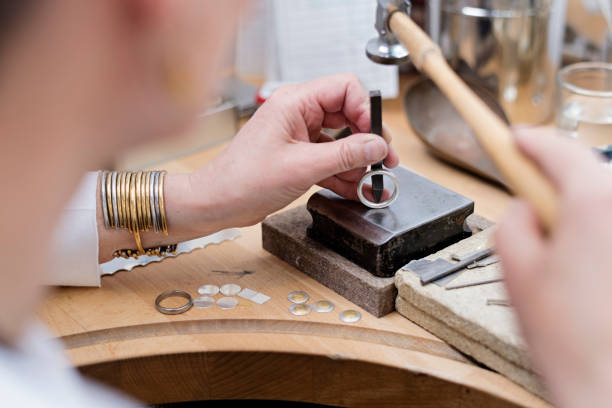
- Assist in crafting jewellery by cutting, shaping, soldering, polishing, and setting stones using hand tools or machinery under supervision.
- Support quality control by inspecting prototypes and finished products for design accuracy, material durability, and adherence to specifications.
- Operate basic machinery or tools used in jewellery production, such as casting machines, polishing equipment, or engraving tools.
- Coordinate with manufacturers or suppliers to ensure smooth execution of designs from concept to final product, maintaining production timelines.
c) Research and Administrative Responsibilities:
- Research advancements in jewellery technology, sustainable materials, and ergonomic design to ensure market-relevant and innovative products.
- Assist in organizing design presentations, client meetings, or trade shows under senior supervision.
- Maintain documentation of design processes, material usage, client feedback, and production timelines for team coordination.
- Support inventory management of raw materials (e.g., gold, silver, gemstones) and tools to ensure availability for production.
- Ensure ethical practices by adhering to labor laws, copyright guidelines, and sustainable sourcing standards in design and manufacturing.
Educational Requirements and Study Routes
Eligibility Criteria
| Level | Eligibility |
| Entry-Level (Certificate) | Minimum 8th or 10th standard pass; interest in design or craftsmanship is beneficial but not mandatory. |
| Diploma (Optional) | 10th or 12th standard pass for structured training in jewellery design or technology. |
| Advanced Roles (Further Training) | Certificate or diploma in Jewellery Design/Technology; relevant work experience preferred for competitive roles. |
Study Routes
| Route | Focus Area | Duration | Outcome |
| Certificate Programs | Jewellery Design, Gemology Basics | 1-6 months | Entry-level roles in design support, junior technician positions, or production assistance. |
| Diploma Programs | Jewellery Design & Manufacturing | 1-2 years | Broader scope for positions in design, crafting, or mid-level production roles. |
| ITI (Industrial Training Institute) Courses | Jewellery Making, Metal Craft | 6 months-1 year | Practical skills for basic design and production tasks in jewellery. |
| Short-Term Training (Optional) | CAD for Jewellery, Sustainable Design | 1-3 months | Specialized skills for areas like digital design, gemstone setting, or eco-friendly practices. |
Entrance Tests (India):
- No National Entrance Tests: Most certificate, ITI, and diploma programs in jewellery design or technology do not require national-level entrance exams, focusing on direct or merit-based admissions
- ITI Entrance Exams: Some state-run ITIs may conduct basic entrance tests or interviews for admission to related courses.
- Institute-Specific Criteria: Reputed vocational centers may assess candidates based on basic educational qualifications or interest in the field.
- Direct Admissions: Many private and government vocational training centers offer admissions based on minimal educational qualifications and personal interviews.
Additional Certifications (Recommended for Credibility):
- Certificate in CAD for Jewellery Design from recognized institutes or software providers (e.g., Rhino, Matrix).
- Short courses in Gemology or Sustainable Jewellery Design from platforms like Coursera or Udemy.
- Certifications from bodies like the Gem & Jewellery Export Promotion Council (GJEPC) for credibility in jewellery production techniques.
Skills and Competencies
- Creative Skills: Ability to conceptualize and create innovative jewellery designs that align with trends, functionality, and consumer needs.
- Technical Skills: Proficiency in crafting, metalwork, stone setting, and use of design software (e.g., CAD) or manufacturing tools.
- Analytical Skills: Capability to assess market trends, interpret client feedback, and ensure designs meet practical and commercial standards.
- Communication Skills: Competence in collaborating with teams, understanding briefs, and presenting ideas or issues effectively.
- Time Management: Skill in handling multiple tasks, meeting production deadlines, and adapting to fast-paced manufacturing cycles.
- Soft Skills: Attention to detail for precision in design and production, adaptability to evolving trends, and problem-solving for technical challenges.
Work Environment
a) Studio and Workshop Settings:
- Studio Sector: Roles in design studios or R&D departments of jewellery brands, focusing on concept development and prototyping.
- Workshop Sector: Work in manufacturing units or ateliers, assisting with crafting, assembly, and quality control of jewellery pieces.
b) Sector-Specific Settings:
- Jewellery Manufacturing Sector: Support production for mass-market or export-oriented jewellery (e.g., Tanishq, Kalyan Jewellers).
- Retail/E-Commerce Sector: Assist in creating designs or samples for retail chains or online platforms (e.g., CaratLane, BlueStone).
- Luxury & Bridal Sector: Work on bespoke or high-value pieces for premium brands (e.g., Sabyasachi, Amrapali).
- Artisanal Sector: Collaborate on traditional or handcrafted jewellery for local markets or cultural designs.
Salary Structure (Tentative as of Recent Data in India, Projected to 2025)
Jewellery Design & Manufacturing Technician (Various Settings)
| Level | Corporate/Export Sector (INR Annual) | SME/Small Unit Sector (INR Annual) |
| Entry-Level | ₹2,00,000 - ₹3,20,000 | ₹1,50,000 - ₹2,50,000 |
| Mid-Level | ₹3,30,000 - ₹4,80,000 | ₹2,60,000 - ₹4,00,000 |
| Senior-Level | ₹4,90,000 - ₹6,80,000 | ₹4,10,000 - ₹5,80,000 |
Note: Salaries vary based on location (urban vs. rural), experience, specialization (e.g., luxury vs. mass-market jewellery), and employer type. Roles in metro cities or large export units often offer higher pay with benefits like bonuses or overtime. SME or small unit roles may offer lower base salaries but provide hands-on experience and skill-building opportunities. Data is approximate and subject to change based on economic conditions and industry trends in 2025.
Job Outlook in India
- General Roles: High demand due to India’s position as a global leader in jewellery production and export, supported by a rich tradition of craftsmanship.
- Specialized Roles: Rising need for technicians skilled in sustainable materials, digital design tools, and advanced manufacturing techniques.
- Emerging Areas: Opportunities in lab-grown diamonds, eco-friendly jewellery, tech-integrated designs (e.g., smart jewellery), and customized pieces.
Top Institutes for Relevant Studies in India
| Institute | Program Focus | Location | Sector Affiliation |
| Indian Institute of Gems & Jewellery (IIGJ) | Jewellery Design & Manufacturing | Mumbai, Delhi, Jaipur | Government-Private |
| Industrial Training Institutes (ITIs) | Jewellery Making, Metal Craft | Nationwide | Government |
| National Skill Development Corporation (NSDC) Partners | Jewellery Design under Skill India | Nationwide | Government-Private |
| Government Polytechnic Colleges | Diploma in Jewellery Technology | Multiple Locations | Government |
| Gem & Jewellery Export Promotion Council (GJEPC) Training | Jewellery Design & Crafting | Multiple Locations | Government-Private |
| MSME Technology Development Centers | Jewellery Skills for SMEs | Multiple Locations | Government-Private |
| NIIT (National Institute of Information Technology) | Jewellery Design Basics | Multiple Locations | Private |
| Aptech Learning | Jewellery Design Technology | Multiple Locations | Private |
| Simplilearn (Partnered with Industry) | Jewellery Design Basics | Online/Multiple Locations | Private |
| Coursera/EdX (India-Specific Partners) | Online Certificates in Jewellery Design | Online | Private |
Note: Admission requirements vary; government institutes like IIGJ and ITIs often have lower fees but may require basic eligibility checks, while private institutes may have higher fees with more flexible admission processes. Check specific institute websites or NSDC portals for course details, eligibility, and application processes.
Career Advancement in India
a) Professional Growth Path:
- Corporate Sector: Progress to roles like Jewellery Designer, Production Supervisor, or Quality Control Manager with experience and training.
- Freelance/Entrepreneurial Sector: Start independent jewellery design services or small-scale manufacturing units after building expertise.
b) Further Education Path:
- All Sectors: Pursue advanced studies (e.g., Diploma or Degree in Jewellery Design from IIGJ) or certifications in specialized areas (e.g., gemology, CAD) for senior roles.
Pros and Cons of the Profession
| Pros | Cons |
| High demand due to India’s strong jewellery export and cultural heritage | Physically demanding work, especially in crafting and manufacturing |
| Creative and technical career blending design with hands-on skills | Need for constant upskilling due to evolving trends and technology |
| Practical career with accessible entry through short-term training | High competition in design roles, requiring a strong portfolio |
| Societal impact by contributing to a key economic and cultural sector | Stress from long hours during production peaks or tight deadlines |
| Opportunities for growth into leadership or independent roles | Freelance or small unit roles may lack job security or consistent income |
Emerging Trends in India (Current Perspective, 2025)
- Technology: Adoption of 3D design software (e.g., CAD), 3D printing for prototypes, and AI for trend analysis or customization.
- Public Policy Focus: Government initiatives like Make in India and Skill India promoting jewellery design and manufacturing skills.
- Industry Growth: Rise of sustainable and ethical jewellery, demand for lab-grown diamonds, and growth in online retail markets.
- Skill Development: Programs under Skill India and NSDC focusing on jewellery craftsmanship for workforce readiness.
How to Get Started in India
- Education: Choose a relevant program (Certificate/Diploma/ITI) based on career goals from recognized Indian institutes or NSDC-affiliated centers, considering government (lower cost) or private (higher cost, easier access) options.
- Certifications: Obtain credentials through platforms or institutes like IIGJ for skills in jewellery design or manufacturing.
- Practical Experience: Gain hands-on experience through apprenticeships at jewellery brands, export units, or local workshops to build skills.
- Networking: Join industry associations, attend trade shows (e.g., India International Jewellery Show), or connect via LinkedIn for opportunities.
- Job Applications: Apply to companies across sectors through job portals like Naukri.com, Apna, or direct walk-ins at workshops.
- Stay Updated: Follow advancements via industry news (e.g., Jewellery Outlook, GJEPC updates), blogs, and platforms like Skill India for trends and skill requirements.
Key Employers in India
| Sector | Category | Employers |
| Corporate Sector | MNCs/Corporates | Tanishq, Kalyan Jewellers, Malabar Gold & Diamonds (for retail and production) |
| Jewellery Manufacturing Sector | Export & Production | Amrapali Jewels, Sabyasachi, Tribhovandas Bhimji Zaveri (TBZ) (for mass production) |
| Retail/E-Commerce Sector | Online Platforms | CaratLane, BlueStone, Voylla (for supply chain and branded jewellery) |
| Luxury & Bridal Sector | Premium Designs | Sabyasachi, Neeta Lulla, Manish Malhotra (for high-end bespoke pieces) |
| SME/Small Unit Sector | Local Production | Local Artisanal Units, Small Jewellery Workshops, Regional Brands |
Challenges Specific to India
- Skill Gaps: Limited access to advanced training on modern tools (e.g., CAD, 3D printing) in rural areas, requiring reliance on traditional methods.
- Work Conditions: Challenging workshop environments with long hours, especially in smaller units with limited safety or comfort measures.
- Material Costs: Fluctuating prices of precious metals and gemstones, impacting production budgets in smaller setups.
- Market Pressure: Need to meet global quality standards and tight deadlines for export orders, leading to stress in production cycles.
A career as a Jewellery Design & Manufacturing Technician in India offers a dynamic opportunity to contribute to the country’s thriving jewellery industry through roles in design, crafting, and production across retail, export, and luxury sectors. Supported by national initiatives like Make in India and Skill India, this vocational path is ideal for those with a blend of creative and technical skills, and a willingness to work in evolving production environments. With accessible training, practical experience, and adaptability to emerging trends like sustainable jewellery and digital design tools, individuals can build rewarding careers while paving the way for advancement into supervisory or entrepreneurial roles in India’s globally competitive jewellery landscape.
Study Route & Eligibility Criteria
Jewellery Design & Manufacturing Technician Study Route & Eligibility Criteria
Study route information is not available for this career.
Jewellery Design & Manufacturing Technician
Professional
Educational Requirements and Study Routes
Eligibility Criteria
| Level | Eligibility |
| Entry-Level (Certificate) | Minimum 8th or 10th standard pass; interest in design or craftsmanship is beneficial but not mandatory. |
| Diploma (Optional) | 10th or 12th standard pass for structured training in jewellery design or technology. |
| Advanced Roles (Further Training) | Certificate or diploma in Jewellery Design/Technology; relevant work experience preferred for competitive roles. |
Study Routes
| Route | Focus Area | Duration | Outcome |
| Certificate Programs | Jewellery Design, Gemology Basics | 1-6 months | Entry-level roles in design support, junior technician positions, or production assistance. |
| Diploma Programs | Jewellery Design & Manufacturing | 1-2 years | Broader scope for positions in design, crafting, or mid-level production roles. |
| ITI (Industrial Training Institute) Courses | Jewellery Making, Metal Craft | 6 months-1 year | Practical skills for basic design and production tasks in jewellery. |
| Short-Term Training (Optional) | CAD for Jewellery, Sustainable Design | 1-3 months | Specialized skills for areas like digital design, gemstone setting, or eco-friendly practices. |
Entrance Tests (India):
- No National Entrance Tests: Most certificate, ITI, and diploma programs in jewellery design or technology do not require national-level entrance exams, focusing on direct or merit-based admissions
- ITI Entrance Exams: Some state-run ITIs may conduct basic entrance tests or interviews for admission to related courses.
- Institute-Specific Criteria: Reputed vocational centers may assess candidates based on basic educational qualifications or interest in the field.
- Direct Admissions: Many private and government vocational training centers offer admissions based on minimal educational qualifications and personal interviews.
Additional Certifications (Recommended for Credibility):
- Certificate in CAD for Jewellery Design from recognized institutes or software providers (e.g., Rhino, Matrix).
- Short courses in Gemology or Sustainable Jewellery Design from platforms like Coursera or Udemy.
- Certifications from bodies like the Gem & Jewellery Export Promotion Council (GJEPC) for credibility in jewellery production techniques.
Skills and Competencies
- Creative Skills: Ability to conceptualize and create innovative jewellery designs that align with trends, functionality, and consumer needs.
- Technical Skills: Proficiency in crafting, metalwork, stone setting, and use of design software (e.g., CAD) or manufacturing tools.
- Analytical Skills: Capability to assess market trends, interpret client feedback, and ensure designs meet practical and commercial standards.
- Communication Skills: Competence in collaborating with teams, understanding briefs, and presenting ideas or issues effectively.
- Time Management: Skill in handling multiple tasks, meeting production deadlines, and adapting to fast-paced manufacturing cycles.
- Soft Skills: Attention to detail for precision in design and production, adaptability to evolving trends, and problem-solving for technical challenges.
Work Environment
a) Studio and Workshop Settings:
- Studio Sector: Roles in design studios or R&D departments of jewellery brands, focusing on concept development and prototyping.
- Workshop Sector: Work in manufacturing units or ateliers, assisting with crafting, assembly, and quality control of jewellery pieces.
b) Sector-Specific Settings:
- Jewellery Manufacturing Sector: Support production for mass-market or export-oriented jewellery (e.g., Tanishq, Kalyan Jewellers).
- Retail/E-Commerce Sector: Assist in creating designs or samples for retail chains or online platforms (e.g., CaratLane, BlueStone).
- Luxury & Bridal Sector: Work on bespoke or high-value pieces for premium brands (e.g., Sabyasachi, Amrapali).
- Artisanal Sector: Collaborate on traditional or handcrafted jewellery for local markets or cultural designs.
Salary Structure (Tentative as of Recent Data in India, Projected to 2025)
Jewellery Design & Manufacturing Technician (Various Settings)
| Level | Corporate/Export Sector (INR Annual) | SME/Small Unit Sector (INR Annual) |
| Entry-Level | ₹2,00,000 - ₹3,20,000 | ₹1,50,000 - ₹2,50,000 |
| Mid-Level | ₹3,30,000 - ₹4,80,000 | ₹2,60,000 - ₹4,00,000 |
| Senior-Level | ₹4,90,000 - ₹6,80,000 | ₹4,10,000 - ₹5,80,000 |
Note: Salaries vary based on location (urban vs. rural), experience, specialization (e.g., luxury vs. mass-market jewellery), and employer type. Roles in metro cities or large export units often offer higher pay with benefits like bonuses or overtime. SME or small unit roles may offer lower base salaries but provide hands-on experience and skill-building opportunities. Data is approximate and subject to change based on economic conditions and industry trends in 2025.
Job Outlook in India
- General Roles: High demand due to India’s position as a global leader in jewellery production and export, supported by a rich tradition of craftsmanship.
- Specialized Roles: Rising need for technicians skilled in sustainable materials, digital design tools, and advanced manufacturing techniques.
- Emerging Areas: Opportunities in lab-grown diamonds, eco-friendly jewellery, tech-integrated designs (e.g., smart jewellery), and customized pieces.
Top Institutes for Relevant Studies in India
| Institute | Program Focus | Location | Sector Affiliation |
| Indian Institute of Gems & Jewellery (IIGJ) | Jewellery Design & Manufacturing | Mumbai, Delhi, Jaipur | Government-Private |
| Industrial Training Institutes (ITIs) | Jewellery Making, Metal Craft | Nationwide | Government |
| National Skill Development Corporation (NSDC) Partners | Jewellery Design under Skill India | Nationwide | Government-Private |
| Government Polytechnic Colleges | Diploma in Jewellery Technology | Multiple Locations | Government |
| Gem & Jewellery Export Promotion Council (GJEPC) Training | Jewellery Design & Crafting | Multiple Locations | Government-Private |
| MSME Technology Development Centers | Jewellery Skills for SMEs | Multiple Locations | Government-Private |
| NIIT (National Institute of Information Technology) | Jewellery Design Basics | Multiple Locations | Private |
| Aptech Learning | Jewellery Design Technology | Multiple Locations | Private |
| Simplilearn (Partnered with Industry) | Jewellery Design Basics | Online/Multiple Locations | Private |
| Coursera/EdX (India-Specific Partners) | Online Certificates in Jewellery Design | Online | Private |
Note: Admission requirements vary; government institutes like IIGJ and ITIs often have lower fees but may require basic eligibility checks, while private institutes may have higher fees with more flexible admission processes. Check specific institute websites or NSDC portals for course details, eligibility, and application processes.
Career Advancement in India
a) Professional Growth Path:
- Corporate Sector: Progress to roles like Jewellery Designer, Production Supervisor, or Quality Control Manager with experience and training.
- Freelance/Entrepreneurial Sector: Start independent jewellery design services or small-scale manufacturing units after building expertise.
b) Further Education Path:
- All Sectors: Pursue advanced studies (e.g., Diploma or Degree in Jewellery Design from IIGJ) or certifications in specialized areas (e.g., gemology, CAD) for senior roles.
Pros and Cons of the Profession
| Pros | Cons |
| High demand due to India’s strong jewellery export and cultural heritage | Physically demanding work, especially in crafting and manufacturing |
| Creative and technical career blending design with hands-on skills | Need for constant upskilling due to evolving trends and technology |
| Practical career with accessible entry through short-term training | High competition in design roles, requiring a strong portfolio |
| Societal impact by contributing to a key economic and cultural sector | Stress from long hours during production peaks or tight deadlines |
| Opportunities for growth into leadership or independent roles | Freelance or small unit roles may lack job security or consistent income |
Emerging Trends in India (Current Perspective, 2025)
- Technology: Adoption of 3D design software (e.g., CAD), 3D printing for prototypes, and AI for trend analysis or customization.
- Public Policy Focus: Government initiatives like Make in India and Skill India promoting jewellery design and manufacturing skills.
- Industry Growth: Rise of sustainable and ethical jewellery, demand for lab-grown diamonds, and growth in online retail markets.
- Skill Development: Programs under Skill India and NSDC focusing on jewellery craftsmanship for workforce readiness.
How to Get Started in India
- Education: Choose a relevant program (Certificate/Diploma/ITI) based on career goals from recognized Indian institutes or NSDC-affiliated centers, considering government (lower cost) or private (higher cost, easier access) options.
- Certifications: Obtain credentials through platforms or institutes like IIGJ for skills in jewellery design or manufacturing.
- Practical Experience: Gain hands-on experience through apprenticeships at jewellery brands, export units, or local workshops to build skills.
- Networking: Join industry associations, attend trade shows (e.g., India International Jewellery Show), or connect via LinkedIn for opportunities.
- Job Applications: Apply to companies across sectors through job portals like Naukri.com, Apna, or direct walk-ins at workshops.
- Stay Updated: Follow advancements via industry news (e.g., Jewellery Outlook, GJEPC updates), blogs, and platforms like Skill India for trends and skill requirements.
Key Employers in India
| Sector | Category | Employers |
| Corporate Sector | MNCs/Corporates | Tanishq, Kalyan Jewellers, Malabar Gold & Diamonds (for retail and production) |
| Jewellery Manufacturing Sector | Export & Production | Amrapali Jewels, Sabyasachi, Tribhovandas Bhimji Zaveri (TBZ) (for mass production) |
| Retail/E-Commerce Sector | Online Platforms | CaratLane, BlueStone, Voylla (for supply chain and branded jewellery) |
| Luxury & Bridal Sector | Premium Designs | Sabyasachi, Neeta Lulla, Manish Malhotra (for high-end bespoke pieces) |
| SME/Small Unit Sector | Local Production | Local Artisanal Units, Small Jewellery Workshops, Regional Brands |
Challenges Specific to India
- Skill Gaps: Limited access to advanced training on modern tools (e.g., CAD, 3D printing) in rural areas, requiring reliance on traditional methods.
- Work Conditions: Challenging workshop environments with long hours, especially in smaller units with limited safety or comfort measures.
- Material Costs: Fluctuating prices of precious metals and gemstones, impacting production budgets in smaller setups.
- Market Pressure: Need to meet global quality standards and tight deadlines for export orders, leading to stress in production cycles.
A career as a Jewellery Design & Manufacturing Technician in India offers a dynamic opportunity to contribute to the country’s thriving jewellery industry through roles in design, crafting, and production across retail, export, and luxury sectors. Supported by national initiatives like Make in India and Skill India, this vocational path is ideal for those with a blend of creative and technical skills, and a willingness to work in evolving production environments. With accessible training, practical experience, and adaptability to emerging trends like sustainable jewellery and digital design tools, individuals can build rewarding careers while paving the way for advancement into supervisory or entrepreneurial roles in India’s globally competitive jewellery landscape.