Overview
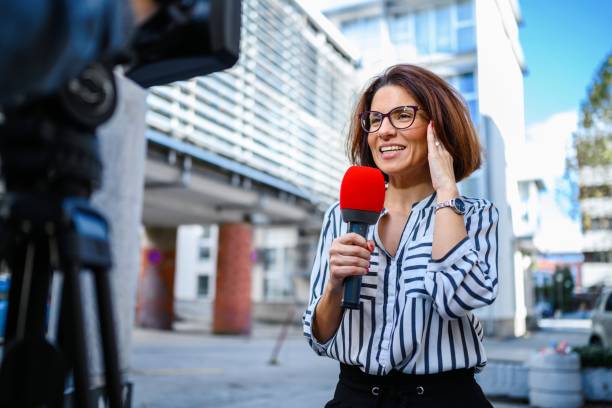
A Journalist is a professional who investigates, reports, and disseminates news and information to the public, with the aim of informing, educating, and influencing societal discourse. They work in media houses, news agencies, digital platforms, or as freelancers, collaborating with editors, photographers, broadcasters, and sources. Journalists play a crucial role in upholding democracy, uncovering truths, and shaping public opinion in a sector focused on transparency, accountability, and storytelling.
Journalists are inquisitive and resilient professionals who gather facts, conduct interviews, and create content across various formats like print, broadcast, or digital media, often working under tight deadlines or in high-risk environments. Their role involves researching stories, verifying information, and presenting unbiased reports, frequently facing challenges like censorship, ethical dilemmas, and public scrutiny. They combine expertise in research, communication, and critical analysis to address issues ranging from politics to human interest. As key contributors to informed societies, they help shape narratives and drive change in an industry increasingly driven by digital transformation, social media, and real-time reporting.
Roles and Responsibilities
💼
Journalist
Roles and Responsibilities
News Gathering and Reporting
Investigate events, issues, or trends through interviews, observation, and research.
Write, record, or broadcast news stories for newspapers, TV, radio, or online platforms.
Fact-Checking and Verification
Ensure accuracy by cross-checking information with credible sources.
Maintain journalistic integrity by avoiding bias or misinformation.
Interviewing and Source Development
Conduct interviews with individuals relevant to a story for firsthand accounts.
Build and maintain a network of reliable sources for exclusive information.
Content Creation Across Media
Produce articles, videos, podcasts, or social media posts tailored to specific audiences.
Adapt storytelling style to suit different formats like breaking news or feature stories.
Investigative Journalism
Uncover hidden truths or corruption through in-depth research and analysis.
Report on sensitive issues like political scandals or social injustices.
Ethical and Legal Compliance
Adhere to journalistic ethics, respecting privacy and avoiding defamation.
Navigate legal constraints like libel laws or government regulations.
Multimedia and Digital Engagement
Use photography, video editing, or social media to enhance storytelling.
Engage with audiences through comments, live updates, or interactive content.
Crisis and Conflict Reporting
Cover emergencies, wars, or disasters, often in dangerous conditions.
Provide real-time updates while ensuring personal safety and accuracy.
Roles and Responsibilities
- News Gathering and Reporting
- Investigate events, issues, or trends through interviews, observation, and research.
- Write, record, or broadcast news stories for newspapers, TV, radio, or online platforms.
- Fact-Checking and Verification
- Ensure accuracy by cross-checking information with credible sources.
- Maintain journalistic integrity by avoiding bias or misinformation.
- Interviewing and Source Development
- Conduct interviews with individuals relevant to a story for firsthand accounts.
- Build and maintain a network of reliable sources for exclusive information.
- Content Creation Across Media
- Produce articles, videos, podcasts, or social media posts tailored to specific audiences.
- Adapt storytelling style to suit different formats like breaking news or feature stories.
- Investigative Journalism
- Uncover hidden truths or corruption through in-depth research and analysis.
- Report on sensitive issues like political scandals or social injustices.
- Ethical and Legal Compliance
- Adhere to journalistic ethics, respecting privacy and avoiding defamation.
- Navigate legal constraints like libel laws or government regulations.
- Multimedia and Digital Engagement
- Use photography, video editing, or social media to enhance storytelling.
- Engage with audiences through comments, live updates, or interactive content.
- Crisis and Conflict Reporting
- Cover emergencies, wars, or disasters, often in dangerous conditions.
- Provide real-time updates while ensuring personal safety and accuracy.
Study Route & Eligibility Criteria
Study Route & Eligibility Criteria
Journalist
Route 1
🎓
1
10+2 in any stream
Route 2
🎓
1
10+2 in any stream
Route 3
🎓
1
10+2 in any stream
Route 4
🎓
1
10+2 in any stream
🎯
Journalist - Professional
Significant Observations (Academic Related Points)
💡
Journalist
Academic Related Points
1
Communication Foundation:
Strong skills in writing and verbal communication are essential for effective storytelling.
2
Practical Skills:
Hands-on training in reporting, editing, and multimedia develops core competencies in journalism.
3
Specialized Training:
Certifications in investigative journalism or digital media offer niche expertise.
4
Technology Proficiency:
Familiarity with content management systems and social media tools is vital for modern journalism.
5
Interdisciplinary Knowledge:
Understanding politics, economics, and sociology enhances reporting depth.
6
Certification Importance:
Some roles may require certifications in specific journalism skills for credibility.
7
Continuing Education:
Regular workshops on media trends and ethics are necessary to stay updated.
8
Global Standards:
Familiarity with international journalism ethics enhances opportunities for global roles.
9
Attention to Detail:
Precision in fact-checking and reporting is critical for credibility.
10
Entrance Examination Success:
Certain programs may require entrance tests for admission to journalism courses.
11
International Testing Requirements:
For global opportunities, language proficiency tests like IELTS or TOEFL may be needed.
Internships & Practical Exposure
💼
Journalist
Internships & Practical Experience
1
Mandatory internships during degree programs in newsrooms or media agencies for real-world reporting experience.
2
Rotations in editorial departments for hands-on experience with story development and editing.
3
Internships under senior journalists for exposure to breaking news and investigative challenges.
4
Observerships in broadcast studios for experience in TV or radio journalism.
5
Participation in mock news projects for practical skill development in deadline-driven reporting.
6
Training in digital journalism through real-world social media or online content creation.
7
Exposure to multimedia tools and content management systems during internships.
8
Volunteer roles in community journalism or citizen reporting during training to build a portfolio.
9
Community engagement initiatives for covering local events or issues.
10
International journalism attachments for global exposure to diverse media practices.
Courses & Specializations to Enter the Field
📚
Journalist
Courses & Specializations
📖
Certificate in Journalism or Digital Media.
📖
Bachelor’s in Journalism, Mass Communication, or Media Studies.
📖
Master’s in Journalism, Broadcast Media, or Communication Studies.
📖
Ph.D. in Journalism or Media Studies.
📖
Specialization in Investigative Journalism.
📖
Certification in Photojournalism.
📖
Workshops on Multimedia Storytelling.
📖
Training in Data Journalism.
📖
Specialization in Political Reporting.
📖
Certification in Broadcast Journalism.
Prominent Employers
🏢
Journalist
🌟 Top Companies & Organizations
🇮🇳 India
🏛️
The Times of India
🏛️
Hindustan Times
🏛️
The Hindu
🏛️
NDTV
🏛️
India Today
🏛️
Press Trust of India (PTI)
🏛️
Zee News
🏛️
Republic TV
🏛️
The Indian Express
🏛️
ANI (Asian News International)
🌍 International
🌐
The New York Times, USA
🌐
BBC, UK
🌐
CNN, USA
🌐
Reuters, UK
🌐
The Guardian, UK
🌐
Associated Press (AP), USA
🌐
Al Jazeera, Qatar
🌐
The Washington Post, USA
🌐
Bloomberg, USA
🌐
Financial Times, UK
Advice for Aspiring Journalists
💡
Journalist
🌟 Tips for Students & Parents
1
Build a strong foundation in writing, research, and critical thinking to report effectively.
2
Seek early exposure to newsrooms through internships or assistant roles to confirm interest in the field.
3
Prepare thoroughly for entrance exams or certification requirements specific to your chosen program or region.
4
Pursue short courses in multimedia or data journalism to gain expertise in niche areas.
5
Stay updated on current affairs and media trends by following industry publications and events.
6
Develop hands-on skills in digital tools and storytelling through practical assignments and projects.
7
Engage in real-world reporting or volunteer for local media to build experience and a portfolio.
8
Join professional associations like CPJ or NUJ for networking and resources.
9
Work on accuracy and ethical reporting to ensure credible and impactful journalism.
10
Explore international journalism opportunities for exposure to diverse media landscapes.
11
Volunteer at community news outlets or events to understand practical challenges.
12
Cultivate adaptability to handle various beats and fast-paced, unpredictable environments.
13
Attend continuing education programs to stay abreast of evolving digital tools and journalistic ethics.
14
Build a network with editors, reporters, and sources for collaborative efforts and story leads.
15
Develop resilience to manage the high-pressure and often risky nature of journalistic work.
16
Balance factual rigor with creative storytelling to adapt to rapid advancements in digital and social media.
🎓 Final Message
A career as a Journalist offers a powerful opportunity to shape public understanding, hold power to account, and narrate the stories that define our times. Journalists are the watchdogs of society, using their skills in research and communication to uncover truths and foster informed dialogue. This profession blends curiosity with societal impact, providing diverse pathways in print, broadcast, digital media, and beyond. For those passionate about uncovering facts, driven by a commitment to transparency, and eager to navigate the evolving landscape of digital journalism and global connectivity, becoming a Journalist is a profoundly rewarding journey. It empowers individuals to influence change, amplify voices, and document history as it unfolds across communities worldwide.