Plastic Surgeon

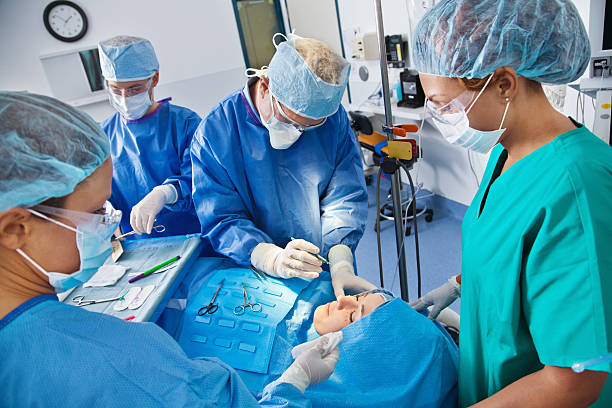
A Plastic Surgeon is a highly specialized medical professional who performs surgical procedures to reconstruct, repair, or enhance physical appearance and function, often addressing congenital defects, injuries, or aesthetic desires. They work in diverse areas such as reconstructive surgery for trauma victims or cosmetic surgery for elective enhancements. Operating in hospitals, private clinics, and specialized surgical centers, Plastic Surgeons significantly impact patients’ quality of life and self-esteem. This career falls under the Health Sciences career cluster, focusing on surgical precision and transformative patient care.
Share :
Career tree mind map (horizontal) — Plastic Surgeon
Colored branches, hub circles, and underlined topics — same style as counselor course classic (types 18–19 in admin).
Loading mind map…

Overview

A Plastic Surgeon is a highly specialized medical professional who performs surgical procedures to reconstruct, repair, or enhance physical appearance and function, often addressing congenital defects, injuries, or aesthetic desires. They work in diverse areas such as reconstructive surgery for trauma victims or cosmetic surgery for elective enhancements. Operating in hospitals, private clinics, and specialized surgical centers, Plastic Surgeons significantly impact patients’ quality of life and self-esteem. This career falls under the Health Sciences career cluster, focusing on surgical precision and transformative patient care.

Plastic Surgeons utilize advanced surgical techniques to restore or improve bodily structures affected by birth defects, accidents, burns, or diseases, as well as to meet aesthetic goals through procedures like facelifts or rhinoplasty. They consult with patients to understand their needs, plan intricate surgeries, and provide post-operative care to ensure optimal recovery. Their expertise spans both medical necessity and personal enhancement, requiring a balance of technical skill and artistic vision. By addressing both functional and cosmetic concerns, Plastic Surgeons play a vital role in physical and psychological healing.

Roles and Responsibilities

💼
Plastic Surgeon
Roles and Responsibilities
Patient Consultation and Planning:
Assess patients’ medical history and physical condition to determine surgical suitability.
Discuss goals, risks, and expected outcomes for reconstructive or cosmetic procedures.
Surgical Procedures:
Perform complex surgeries such as skin grafts, breast reconstruction, or facial contouring.
Address trauma injuries, burns, or congenital anomalies through reconstructive techniques.
Post-Operative Care:
Monitor recovery, manage complications, and provide guidance on wound care.
Ensure aesthetic and functional results align with patient expectations.
Cosmetic Enhancements:
Conduct elective surgeries like liposuction, tummy tucks, or Botox injections.
Tailor procedures to enhance appearance while maintaining natural proportions.
Reconstructive Interventions:
Restore functionality and appearance for patients with deformities or post-cancer defects.
Collaborate with oncologists or trauma specialists for comprehensive care.
Research and Innovation:
Engage in studies to advance surgical techniques or develop new reconstructive methods.
Stay updated on cutting-edge technologies like 3D imaging for surgical planning.
Patient Education:
Inform patients about realistic outcomes, recovery timelines, and potential risks.
Guide lifestyle adjustments to maintain surgical results long-term.
Team Coordination:
Work with anesthesiologists, nurses, and other specialists during surgical processes.
Coordinate multidisciplinary care for complex cases requiring multiple interventions.

Roles and Responsibilities:

  • Patient Consultation and Planning:
    • Assess patients’ medical history and physical condition to determine surgical suitability.
    • Discuss goals, risks, and expected outcomes for reconstructive or cosmetic procedures.
  • Surgical Procedures:
    • Perform complex surgeries such as skin grafts, breast reconstruction, or facial contouring.
    • Address trauma injuries, burns, or congenital anomalies through reconstructive techniques.
  • Post-Operative Care:
    • Monitor recovery, manage complications, and provide guidance on wound care.
    • Ensure aesthetic and functional results align with patient expectations.
  • Cosmetic Enhancements:
    • Conduct elective surgeries like liposuction, tummy tucks, or Botox injections.
    • Tailor procedures to enhance appearance while maintaining natural proportions.
  • Reconstructive Interventions:
    • Restore functionality and appearance for patients with deformities or post-cancer defects.
    • Collaborate with oncologists or trauma specialists for comprehensive care.
  • Research and Innovation:
    • Engage in studies to advance surgical techniques or develop new reconstructive methods.
    • Stay updated on cutting-edge technologies like 3D imaging for surgical planning.
  • Patient Education:
    • Inform patients about realistic outcomes, recovery timelines, and potential risks.
    • Guide lifestyle adjustments to maintain surgical results long-term.
  • Team Coordination:
    • Work with anesthesiologists, nurses, and other specialists during surgical processes.
    • Coordinate multidisciplinary care for complex cases requiring multiple interventions.


Study Route & Eligibility Criteria

Study Route & Eligibility Criteria
Plastic Surgeon
Route 1
🎓
1
10+2 with Physics, Chemistry, Biology
Route 2
🎓
1
10+2 with Physics, Chemistry, Biology
Route 3
🎓
1
10+2 with Physics, Chemistry, Biology
(International)
🎓
1
10+2 with Physics, Chemistry, Biology
🎯 Plastic Surgeon - Professional

Internships & Practical Exposure

💼
Plastic Surgeon
Internships & Practical Experience
1
Surgical rotations in general surgery departments during MBBS internship.
2
Hands-on training in reconstructive and cosmetic procedures during postgraduate studies.
3
Participation in trauma and burn unit surgeries for real-world experience.
4
Exposure to aesthetic surgery techniques in specialized clinics.
5
Observerships with renowned plastic surgeons for advanced skill development.
6
Involvement in multidisciplinary case management for complex reconstructions.
7
Training in post-operative recovery and complication management.
8
Attendance at plastic surgery conferences and workshops for networking.
9
Collaboration with dermatologists and oncologists on combined treatment plans.
10
Experience in using surgical simulation tools for procedure planning.

Courses & Specializations to Enter the Field

📚
Plastic Surgeon
Courses & Specializations
📖
MBBS (Bachelor of Medicine and Bachelor of Surgery)
📖
MS/DNB in General Surgery
📖
MCh/DNB in Plastic Surgery
📖
Fellowship in Aesthetic and Cosmetic Surgery
📖
Fellowship in Reconstructive Microsurgery
📖
Certification in Craniofacial Surgery
📖
Training in Burn and Trauma Surgery
📖
Specialized courses in Hand and Microvascular Surgery
📖
Certification in Laser and Non-Invasive Aesthetic Procedures
📖
Continuing Medical Education in Advanced Plastic Surgery Techniques

Prominent Employers

🏢
Plastic Surgeon
🌟 Top Companies & Organizations
🇮🇳 India
🏛️
All India Institute of Medical Sciences (AIIMS)
🏛️
Apollo Hospitals
🏛️
Fortis Healthcare
🏛️
Max Healthcare
🏛️
Medanta - The Medicity
🏛️
Sir Ganga Ram Hospital
🏛️
Kokilaben Dhirubhai Ambani Hospital
🏛️
Narayana Health
🏛️
Manipal Hospitals
🏛️
Tata Memorial Hospital
🌍 International
🌐
Mayo Clinic, USA
🌐
Johns Hopkins Hospital, USA
🌐
Cleveland Clinic, USA
🌐
Royal Marsden Hospital, UK
🌐
Massachusetts General Hospital, USA
🌐
Toronto General Hospital, Canada
🌐
The Alfred Hospital, Australia
🌐
Charité - Universitätsmedizin, Germany
🌐
Singapore General Hospital, Singapore
🌐
King’s College Hospital, UK

Advice for Aspiring Plastic Surgeons

💡
Plastic Surgeon
🌟 Tips for Students & Parents
1
Master anatomy and surgical fundamentals during early medical training for a strong base.
2
Gain extensive surgical exposure through residencies in general and plastic surgery.
3
Develop an artistic eye for symmetry and proportion in aesthetic procedures.
4
Pursue super-specialty training in plastic surgery for advanced technical skills.
5
Stay abreast of technological advancements like 3D imaging and robotic surgery.
6
Build patient rapport to understand their emotional and physical expectations.
7
Network with established surgeons for mentorship and career opportunities.
8
Focus on precision and patience to handle long, intricate surgical sessions.
9
Consider subspecialties like craniofacial or microsurgery for niche expertise.
10
Maintain ethical standards in balancing patient desires with realistic outcomes.
🎓 Final Message
Stepping into the role of a Plastic Surgeon opens a remarkable avenue to reshape lives, merging surgical mastery with the power to heal and enhance. These experts stand as architects of transformation, restoring function and confidence through their skilled hands. With pathways leading to trauma reconstruction, aesthetic artistry, or academic innovation, this profession calls to those driven by precision and a passion for human restoration. For anyone inspired to craft tangible change in patients’ lives through surgery, plastic surgery offers an exceptionally fulfilling and dynamic career odyssey.
Knowledge & Skills You Will Learn
1
Enhanced training in virtual reality simulations for surgical skill development.
Plastic Surgeon (Reconstructive)

Plastic Surgeon (Reconstructive)

A Reconstructive Plastic Surgeon focuses on restoring function and appearance for patients with congenital defects, trauma injuries, or...

0.0LPA

Plastic Surgeon (Cosmetic)

Plastic Surgeon (Cosmetic)

A Cosmetic Plastic Surgeon specializes in elective procedures to enhance physical appearance, such as facelifts, breast augmentations, or...

0.0LPA
Senior Plastic Surgeon

Senior Plastic Surgeon

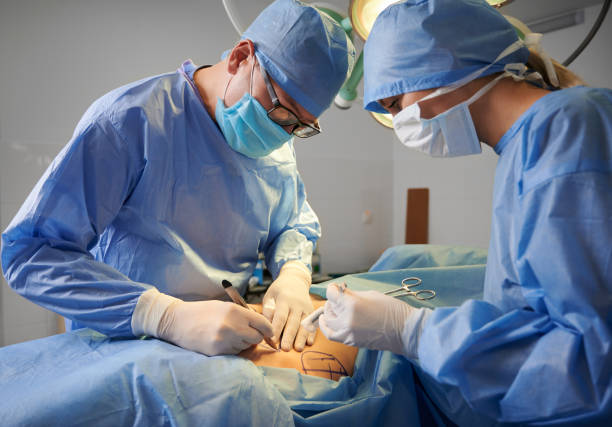
A Senior Plastic Surgeon oversees complex cases, mentors junior surgeons, and often leads surgical teams in hospitals or clinics. They handle...

0.0LPA

Interested in this career?

Take the next step and explore more about Plastic Surgeon.