Career

Smart Home Technology Specialist

Smart Home Technology Specialist

Smart Home Technology Specialist


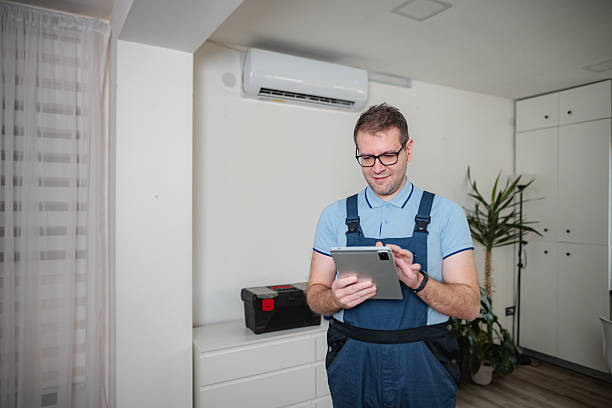
A Smart Home Technology Specialist is a professional dedicated to designing, developing, and implementing smart home systems and applications that integrate connected devices to enhance convenience, security, and energy efficiency in residential environments. They work in sectors such as home automation, consumer electronics, security, and energy management, collaborating with hardware engineers, software developers, IoT experts, and home builders. Smart Home Technology Specialists play a critical role in driving innovation and comfort in a world increasingly focused on connectivity, automation, and sustainable living.
 

Career Description

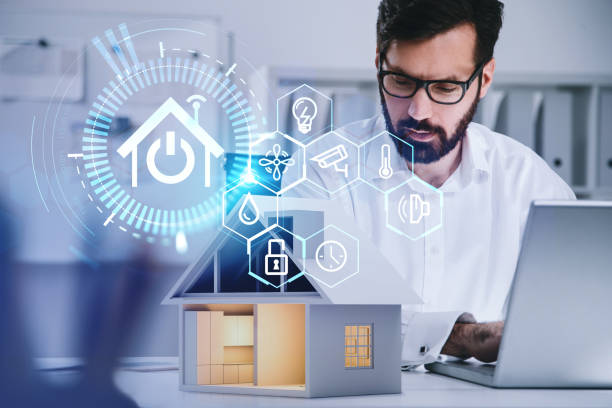
Smart Home Technology Specialists are technical experts in IoT, networking, and home automation systems, responsible for creating smart home solutions like automated lighting, security cameras, and voice-controlled assistants to address challenges such as energy waste, home safety, or user convenience. Their role involves system design, integration, and troubleshooting, often working in settings such as tech company offices, client homes, or remote environments. They combine expertise in smart home protocols, device interoperability, and user experience to tackle issues like connectivity disruptions, compatibility, and data privacy. As key contributors to technological advancement, they help organizations and societies thrive in an era prioritizing intelligent living spaces, seamless automation, and personalized home experiences.

 

Roles and Responsibilities

  • Smart Home System Design
    • Design smart home systems using IoT platforms to integrate devices like thermostats, lights, and locks for automation.
    • Create customized solutions tailored to user needs for convenience, security, or energy savings.
  • Device Integration and Networking
    • Integrate various smart devices into a cohesive system using protocols like Zigbee, Z-Wave, or Wi-Fi.
    • Ensure reliable network connectivity between devices, hubs, and mobile or cloud platforms for seamless operation.
  • Software Development and Configuration
    • Develop or configure software for smart home hubs and applications to control and monitor connected devices.
    • Program automation routines and scenes for tasks like lighting schedules or security alerts.
  • User Interface and Experience
    • Design intuitive mobile or voice-based interfaces for users to interact with smart home systems easily.
    • Optimize user experience by ensuring accessibility and minimal learning curve for non-technical users.
  • Security and Privacy Implementation
    • Implement encryption and authentication measures to protect smart home systems from cyber threats.
    • Address privacy concerns by securing user data and ensuring compliance with regulations.
  • Cross-Industry Application
    • Build smart home solutions for specific needs, such as energy management for sustainability or accessibility for the elderly.
    • Adapt smart home technology to meet the unique requirements of homeowners, builders, or service providers.
  • Collaboration and Innovation
    • Work with cross-functional teams, including electricians and product designers, to align smart home solutions with project goals.
    • Experiment with emerging technologies like AI or 5G to enhance smart home functionality and responsiveness.
  • Testing and Maintenance
    • Conduct thorough testing to identify and fix issues, ensuring smart home systems function reliably in diverse scenarios.
    • Provide ongoing maintenance and updates to support new devices, protocols, or evolving user needs.


Study Route & Eligibility Criteria

RouteSteps
Route 1

1. 10+2 with Science (Mathematics/Computer Science) or relevant subjects.

2. Bachelor’s degree in Computer Science, Electronics Engineering, or Information Technology (3-4 years).

3. Gain practical experience through internships or projects in smart home or IoT roles (3-6 months).

4. Pursue entry-level roles like Junior Smart Home Technician or IoT Developer (1-2 years).

Route 2

1. 10+2 with Science (Mathematics/Computer Science) or relevant subjects.

2. Bachelor’s degree in Computer Science, Electrical Engineering, or related field (3-4 years).

3. Master’s degree in IoT, Smart Systems, or Computer Science (2 years, optional).

4. Work in software development or networking roles to gain experience (1-2 years).

5. Transition to Smart Home Technology Specialist roles in home automation or consumer tech sectors.

Route 3

1. 10+2 with Science (Mathematics/Computer Science) or relevant subjects.

2. Bachelor’s degree in Computer Science, Engineering, or related field (3-4 years).

3. Pursue professional certifications like Cisco IoT Essentials or Smart Home Professional Certification (1-2 years).

4. Gain hands-on experience through roles in IoT or home automation development (1-2 years).

5. Establish a career as a Smart Home Technology Specialist in connected tech or residential sectors.

Route 4

1. 10+2 with Science (Mathematics/Computer Science) or relevant subjects.

2. Bachelor’s degree from India in Computer Science or Electronics Engineering (3-4 years).

3. Pursue international certifications or advanced degrees in smart home tech or IoT abroad (1-2 years).

4. Gain exposure through roles in global smart home firms or tech companies (1-2 years).

5. Work as a Smart Home Technology Specialist in international markets or global organizations.


Significant Observations (Academic Related Points)

  • Technical Foundation: Strong knowledge of computer science, electronics, or networking is essential for mastering smart home concepts.
  • Practical Skills: Hands-on training in IoT and home automation systems builds core competencies in connected home development.
  • Specialized Certifications: Credentials in smart home tech or IoT enhance professional credibility.
  • Industry Expertise: Familiarity with smart home trends and automation applications is crucial for relevant solutions.
  • Analytical Focus: Understanding device interoperability and user needs ensures effective smart home system design.
  • Certification Relevance: Some positions may require specific certifications from recognized tech or home automation bodies.
  • Continuous Learning: Regular training is needed to keep up with evolving smart home protocols, hardware, and tools.
  • Global Awareness: Knowledge of international smart home trends opens opportunities for cross-border tech roles.
  • Precision Focus: Attention to detail is vital for optimizing smart home performance and debugging integrated systems.
  • Entrance Exam Preparation: Admission to certain programs or competitive roles may require clearing entrance tests.
  • International Standards: For global roles, qualifications or certifications from international smart home or IoT organizations may be required.


Internships & Practical Exposure

  • Mandatory practical training during degree programs in computer science or electronics units for real-world insights.
  • Rotations in tech companies or home automation firms for hands-on experience in smart home system design and device integration.
  • Internships under senior smart home specialists for exposure to real-time home automation projects and network setup.
  • Observerships in smart home-focused startups or innovation hubs for insights into cutting-edge automation and security applications.
  • Participation in IoT and smart home hackathons for practical skill development in problem-solving.
  • Training in smart home platforms and protocols through real-world engagements in tech projects.
  • Exposure to tools like Home Assistant, SmartThings, and IoT hubs during internships.
  • Field projects on smart lighting, security systems, or energy management during training.
  • Community outreach programs to engage with local tech initiatives and understand smart home implementation needs on the ground.
  • International smart home project attachments for global exposure to diverse technological challenges and standards.


Courses & Specializations to Enter the Field

  • Certificate in Smart Home Technology
  • Bachelor’s in Computer Science, Electronics Engineering, or Information Technology
  • Master’s in IoT, Smart Systems, or Computer Science
  • Ph.D. in Smart Home Tech or Connected Technologies
  • Specialization in Home Automation and IoT Integration
  • Certification in Cisco IoT Essentials (Smart Home Focus)
  • Workshops on Smart Home Security and Protocols
  • Training in Cloud Integration for Smart Homes
  • Specialization in Energy Management Systems
  • Certification in Control4 Smart Home Professional


Top Institutes for Smart Home Technology Specialist Education (India)

InstituteCourse/ProgramOfficial Link
Indian Institute of Technology (IIT), BombayB.Tech/M.Tech in Computer Science/Electronicshttps://www.iitb.ac.in/
Indian Institute of Technology (IIT), DelhiB.Tech/M.Tech in Computer Science/Electronicshttps://www.iitd.ac.in/
Indian Institute of Technology (IIT), MadrasB.Tech/M.Tech in Computer Science/Electronicshttps://www.iitm.ac.in/
Indian Institute of Technology (IIT), KanpurB.Tech/M.Tech in Computer Science/Electronicshttps://www.iitk.ac.in/
Indian Institute of Science (IISc), BangaloreM.Tech in Computer Science/Electronicshttps://www.iisc.ac.in/
Birla Institute of Technology and Science (BITS), PilaniB.E./M.E. in Computer Science/Electronicshttps://www.bits-pilani.ac.in/
International Institute of Information Technology (IIIT), HyderabadB.Tech/M.Tech in Computer Sciencehttps://www.iiit.ac.in/
Vellore Institute of Technology (VIT), VelloreB.Tech/M.Tech in Computer Science & IoThttps://www.vit.ac.in/
Amity University, NoidaB.Tech/M.Tech in Computer Science & IoThttps://www.amity.edu/
National Institute of Technology (NIT), TrichyB.Tech/M.Tech in Electronics & Communicationhttps://www.nitt.edu/


Top International Institutes

InstitutionCourseCountryOfficial Link
Massachusetts Institute of Technology (MIT)BS/MS in Computer Science/Electrical EngineeringUSAhttps://www.mit.edu/
Stanford UniversityBS/MS in Computer Science/Electrical EngineeringUSAhttps://www.stanford.edu/
Carnegie Mellon UniversityBS/MS in Computer Science/Embedded SystemsUSAhttps://www.cmu.edu/
University of California, BerkeleyBS/MS in Computer Science/Electrical EngineeringUSAhttps://www.berkeley.edu/
University of TorontoBS/MS in Computer Science/Electrical EngineeringCanadahttps://www.utoronto.ca/
University of OxfordMSc in Computer ScienceUKhttps://www.ox.ac.uk/
ETH ZurichMS in Computer Science/Electrical EngineeringSwitzerlandhttps://ethz.ch/
National University of Singapore (NUS)BS/MS in Computer Science/Electrical EngineeringSingaporehttps://www.nus.edu.sg/
University of MelbourneMS in Computer Science/EngineeringAustraliahttps://www.unimelb.edu.au/
Technical University of Munich (TUM)MS in Informatics/Electrical EngineeringGermanyhttps://www.tum.de/


Entrance Tests Required

India:

  • JEE Main/JEE Advanced: For admissions in B.Tech programs at IITs and other top engineering institutes.
  • GATE (Graduate Aptitude Test in Engineering): For admissions in M.Tech programs in Computer Science or Electronics at IITs and IISc.
  • BITSAT (Birla Institute of Technology and Science Admission Test): For admissions in B.E. programs at BITS Pilani.
  • VITEEE (Vellore Institute of Technology Engineering Entrance Exam): For admissions in B.Tech programs at VIT.
  • SRMJEEE (SRM Joint Engineering Entrance Exam): For admissions in B.Tech programs at SRM University.

International:

  • SAT/ACT: Required for undergraduate admissions in computer science or electronics programs in the USA and Canada.
  • GRE (Graduate Record Examination): Required for MS/Ph.D. programs in smart home tech or computer science in countries like the USA, UK, and Canada.
  • TOEFL (Test of English as a Foreign Language): Minimum score of 80-100 required for non-native speakers applying to programs in English-speaking countries.
  • IELTS (International English Language Testing System): Minimum score of 6.0-7.0 required for admission to universities in the UK, Australia, and other regions.


Ideal Progressing Career Path

Junior Smart Home Technician → Smart Home Technology Specialist → Senior Smart Home Specialist → Smart Home Solutions Architect → Smart Home Project Manager → Director of Smart Home Engineering → Chief Smart Home Officer → Academician/Independent Consultant


Major Areas of Employment

  • Home automation industry for developing integrated systems for lighting, HVAC, and entertainment control.
  • Consumer electronics sector for designing smart home hubs, speakers, and connected appliances.
  • Security industry for implementing smart cameras, locks, and alarm systems for residential safety.
  • Energy management sector for creating smart thermostats and energy monitoring solutions for sustainability.
  • Real estate and construction for integrating smart home tech into new residential projects and smart buildings.
  • Healthcare sector for developing smart home solutions for elderly care and remote health monitoring.
  • Retail and e-commerce for supporting smart home product sales and customer tech support systems.
  • Smart cities and government for deploying smart home tech as part of urban infrastructure initiatives.
  • Research and academia for advancing smart home protocols, security, and user interaction studies.
  • Technology startups for exploring innovative smart home solutions and business models in connected living.


Prominent Employers

IndiaInternational
L&T Smart World, MumbaiAmazon (Alexa, Ring), USA
Godrej Security Solutions, MumbaiGoogle (Nest), USA
Schneider Electric India, GurgaonSamsung (SmartThings), South Korea
Havells India, NoidaApple (HomeKit), USA
Siemens India, MumbaiPhilips Hue, Netherlands
Philips Lighting India, GurgaonHoneywell, USA
TCS (Smart Home Solutions), MumbaiTP-Link (Kasa), China
Wipro (Digital Home), BangaloreXiaomi, China
Infosys (IoT Solutions), BangaloreControl4, USA
Reliance Jio (Connected Home), MumbaiLutron Electronics, USA


Pros and Cons of the Profession

ProsCons
Direct impact on innovation through creating connected systems that transform home living and energy efficiencyHigh-pressure role due to complex problem-solving and tight project deadlines in client-facing environments
Growing demand due to increasing reliance on smart homes for convenience, security, and sustainabilityChallenges in addressing device compatibility, connectivity issues, and data privacy in smart home systems
Opportunity to contribute to cutting-edge advancements in home automation, energy management, and user comfortEmotional stress from troubleshooting integrated systems or handling failures in critical home setups
Varied career paths in technology, consumer electronics, real estate, and international sectorsNeed for constant learning to keep up with rapidly evolving smart home protocols, hardware, and methodologies
Potential for societal change through smart home solutions for accessibility, safety, and eco-friendly livingLimited immediate visibility of impact, as smart home projects often require long-term installation and user adoption


Industry Trends and Future Outlook

  • Smart Home Adoption Surge: Rapid smart home integration in India across urban residences, driving demand for specialists.
  • Government Initiatives: Policies like Smart Cities Mission supporting smart home tech in public sector housing innovation.
  • Security Tech Growth: Increasing use of smart home systems for safety and surveillance in India, necessitating expertise.
  • Energy Efficiency Boom: Rising interest in smart thermostats and energy monitors, creating opportunities in sustainability tech.
  • Smart Accessibility Focus: Growing emphasis on smart homes for elderly and disabled in India, requiring inclusive solutions.
  • AI in Smart Homes: Expansion of AI-driven automation like voice assistants in India, driving demand for intelligent systems.
  • Smart Home in Real Estate: Adoption of smart home tech in new residential projects in India, enhancing builder-tech roles.
  • 5G and Smart Home Trends: Growth of 5G enabling real-time smart home control, creating opportunities in connectivity.
  • Smart Home Talent Shortage: High demand for skilled smart home specialists in India, pushing for upskilling and training.
  • Skill Development Needs: Demand for training in IoT integration, smart security, and user interface design for future specialists.


Salary Expectations

Career LevelIndia (₹ per annum)International (USD per annum)
Junior Smart Home Technician (Early Career)3,50,000 - 7,00,00045,000 - 65,000
Smart Home Technology Specialist7,00,000 - 13,00,00065,000 - 90,000
Senior Smart Home Specialist13,00,000 - 20,00,00090,000 - 120,000
Smart Home Solutions Architect/Smart Home Project Manager20,00,000 - 28,00,000120,000 - 150,000
Director of Smart Home Engineering/Chief Smart Home Officer/Academician/Independent Consultant28,00,000 - 40,00,000+150,000 - 180,000+

Note: Salaries may vary based on location, employer, experience, and specialization. Indian figures are updated estimates based on current industry trends, smart home tech pay scales, and private sector data as of 2025, reflecting inflation and demand growth in the smart home technology sector. International figures are based on data from the U.S., UK, and Europe as of 2025, adjusted for market trends in smart home specialist roles, sourced from industry reports and salary surveys like Glassdoor and PayScale. Due to the speculative nature of future data, these are approximations and may differ based on real-time economic factors.


Key Software Tools

  • Smart Home Platforms (e.g., Home Assistant, SmartThings) for building and managing connected home systems.
  • Programming Environments (e.g., Visual Studio Code, Node-RED) for coding smart home automation scripts.
  • IoT Development Tools (e.g., Arduino IDE, Raspberry Pi OS) for integrating smart home hardware and sensors.
  • Networking Tools (e.g., Wireshark, PuTTY) for debugging and monitoring smart home communication protocols.
  • Cloud Integration Tools (e.g., AWS IoT, Google Cloud IoT Core) for connecting smart home systems to cloud services.
  • Version Control Systems (e.g., Git, GitHub) for managing code and collaborating on smart home projects.
  • UI/UX Design Tools (e.g., Figma, Adobe XD) for designing intuitive smart home control interfaces.
  • Security Tools (e.g., OpenSSL, Nessus) for implementing and testing smart home system security measures.
  • Testing Frameworks (e.g., Selenium, Postman) for ensuring smart home application reliability and functionality.
  • Automation Simulation Tools (e.g., IFTTT, OpenHAB) for testing smart home routines and device interactions.


Professional Organizations and Networks

  • Association for Computing Machinery (ACM) India
  • Indian Society for Technical Education (ISTE)
  • Computer Society of India (CSI)
  • IoT India Foundation (Smart Home Focus)
  • International Society for Internet of Things (IoT Society), Global
  • Institute of Electrical and Electronics Engineers (IEEE) - Smart Home Group, Global
  • Smart Home & Building Association (SHBA), Global
  • British Computer Society (BCS) - Smart Home Specialist Group, UK
  • Consumer Technology Association (CTA) - Smart Home Division, USA
  • Australian Computer Society (ACS) - IoT and Smart Home Interest Group, Australia


Notable Leaders in Smart Home Technology (Top 10)

  • Ravi Ramakrishnan (Contemporary, India): Smart home leader at L&T Smart World, known for urban automation innovation. His vision drives connectivity. His leadership builds trust. He shaped Indian smart home adoption.
     
  • Anil Chaudhry (Contemporary, India): CEO at Schneider Electric India, known for smart home energy solutions. His strategies grow markets. His leadership inspires tech. He redefined smart home applications in India.
     
  • Sunil Mathur (Contemporary, India): MD at Siemens India, known for smart building and home automation. His work builds scalability. His leadership drives growth. He influenced smart home infrastructure.
     
  • Venkat Ramakrishnan (Contemporary, India): Automation expert at Larsen & Toubro, known for integrated smart home projects. His vision shapes solutions. His leadership inspires innovation. He reshapes Indian smart home tech.
     
  • Pankaj Sharma (Contemporary, India): Smart home advocate at Havells India, known for connected home appliances. His initiatives drive engagement. His leadership builds trust. He advanced smart homes in Indian markets.
     
  • Jeff Bezos (Contemporary, USA): Founder of Amazon, known for Alexa and Ring smart home ecosystems. His vision transforms living spaces. His leadership drives innovation. He redefined global smart home adoption.
     
  • Sundar Pichai (Contemporary, India/USA): CEO of Google, known for Nest and Google Home smart devices. His strategies shape ecosystems. His leadership builds impact. He influenced global smart home platforms.
     
  • Tim Cook (Contemporary, USA): CEO of Apple, known for HomeKit and smart home integration. His innovation sparks progress. His leadership drives vision. He reshaped smart home compatibility.
     
  • Werner Vogels (Contemporary, Netherlands/USA): CTO of Amazon, known for scalable AWS IoT for smart homes. His work enables solutions. His leadership inspires change. He advanced global smart home cloud services.
     
  • Richard Yu (Contemporary, China): CEO of Huawei Consumer Business Group, known for smart home appliances and hubs. His platform engages millions. His leadership drives progress. He influenced global smart home connectivity.
     

Advice for Aspiring Smart Home Technology Specialists

  • Build a strong foundation in computer science, electronics, or networking to understand smart home systems and connected technologies.
  • Seek early exposure to IoT or home automation projects through internships to confirm interest in the field.
  • Prepare thoroughly for entrance exams or certification requirements specific to your chosen program or region.
  • Pursue certifications in smart home tech or IoT to gain expertise in connected system development.
  • Stay updated on smart home trends and protocol advancements by attending industry conferences, webinars, and workshops.
  • Develop hands-on skills in device integration, networking, and user interface design through practical experience.
  • Engage in smart home automation or security projects to build real-world experience in connected living design.
  • Join professional associations like the IoT India Foundation for resources and networking.
  • Work on problem-solving and security skills to ensure impactful smart home solutions and user trust.
  • Explore international smart home projects for exposure to diverse technological challenges and global standards.
  • Volunteer in local tech or community initiatives to understand smart home implementation needs and societal impacts.
  • Cultivate adaptability to handle evolving smart home technologies and diverse industry requirements.
  • Attend continuing education programs to stay abreast of new smart home tools and privacy considerations.
  • Build a network with tech professionals, builders, and IoT researchers for collaborative opportunities.
  • Develop resilience to manage the high-pressure demands and complex challenges of smart home technology.
  • Balance technical precision with user-centric design to drive smart home impact and adapt to rapid technological changes.


A career as a Smart Home Technology Specialist offers a unique opportunity to contribute to technological progress by designing connected systems that transform residential living and enhance convenience across diverse households. From creating automated security solutions to developing energy-efficient home systems, Smart Home Technology Specialists play a pivotal role in modern digital innovation and personalized living solutions. This field combines expertise in IoT integration, networking, and a commitment to automation advancement, offering diverse paths in technology, consumer electronics, real estate, and international sectors. For those passionate about shaping the future of intelligent homes, adapting to rapid advancements, and addressing critical convenience and sustainability needs in an era of increasing digital reliance, a career as a Smart Home Technology Specialist provides an intellectually stimulating and professionally rewarding journey with the potential to make significant contributions to society by advancing comfort, security, and eco-friendly living worldwide.

Leading Professions
View All

Junior Smart Home Technician

Entry-level technicians assist in installing and configuring basic smart home systems, often in companies like L&T Smart World or Godrej Security Solutions. They focus on learning device integration and basic networking. Their work supports initial setup for residential clients. They build foundational skills under senior guidance for system troubleshooting.

Smart Home Technology Specialist

Mid-level specialists design and deploy comprehensive smart home solutions, employed by firms like Schneider Electric India or Havells India in cities like Bangalore or Delhi. They create automation systems for lighting, security, and energy management. Their expertise ensures user-friendly and secure home environments. They often customize solutions for diverse homeowner needs.

Senior Smart Home Specialist

Experienced specialists lead complex smart home projects and mentor teams in organizations like Siemens India or Philips Lighting India. They focus on integrating advanced IoT ecosystems for high-end residences. They address challenges like cross-platform compatibility and cybersecurity. Their role drives innovation in smart living spaces across urban markets.

Smart Home Solutions Architect

Architects design scalable and secure smart home frameworks, working in companies like TCS or Wipro (smart home divisions). They develop strategic plans for large-scale home automation deployments. Their work ensures seamless integration with emerging technologies like AI. They shape long-term smart home strategies for builders and tech providers.

Smart Home Project Manager

Managers oversee smart home implementation projects and coordinate teams in firms like Infosys or Tech Mahindra. They align solutions with client expectations and timelines. They manage resources and ensure quality delivery for residential or commercial projects. Their leadership drives successful adoption of smart home systems.

Director of Smart Home Engineering/Chief Smart Home Officer/Academician/Independent Consultant

Senior leaders or educators manage smart home technology departments, set innovation goals, or lead research at institutes like IITs, or offer expert consultancy through roles in firms like Reliance Jio or independent capacities. They influence smart home policies and future trends. Their vision shapes national and global home automation landscapes. They mentor upcoming specialists and drive industry standards.

CAREER VIDEOS

Interested? Take the next step for this career

Every Student, Career Ready!

This page includes information from O*NET Resource Center by the U.S. Department of Labor, Employment and Training Administration (USDOL/ETA). Used under the CC BY 4.0 license. O*NET® is a trademark of USDOL/ETA.


© 2025 TopTeen. All rights reserved.

Terms & ConditionsPrivacy Policy