Athlete
Amateur Athlete (Regional/State Level)
Explore Career
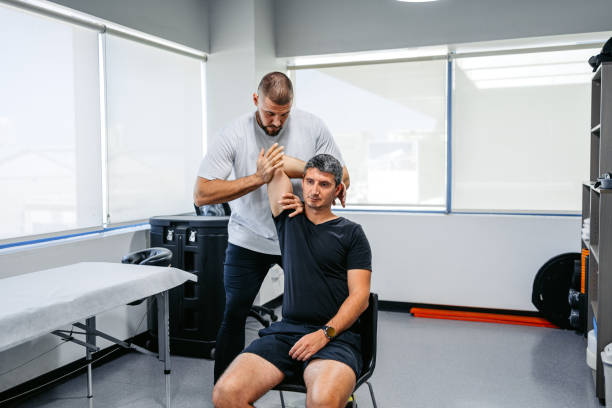
A Sports Physiotherapist is a healthcare professional who specializes in the prevention, assessment, treatment, and rehabilitation of injuries related to sports and physical activity. They work in settings such as sports teams, clinics, hospitals, or private practice, collaborating with athletes, coaches, and medical teams. Sports Physiotherapists play a crucial role in optimizing athletic performance, ensuring injury recovery, and promoting long-term physical health in a field driven by biomechanics, evidence-based practice, and athlete-centered care.
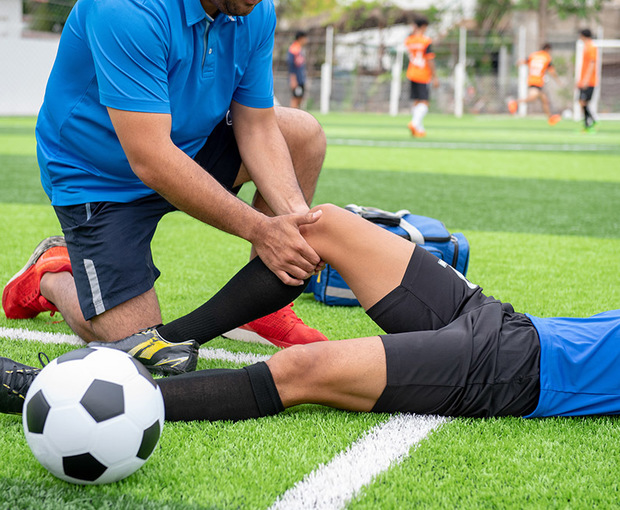
Sports Physiotherapists are dedicated and skilled professionals who operate in dynamic environments like training facilities, sidelines at sports events, or clinical settings, using tools such as therapeutic equipment, diagnostic technology, and rehabilitation protocols. Their role involves assessing injuries, designing recovery programs, and providing hands-on treatment, often facing challenges like time-sensitive recovery goals or complex injury cases. They combine expertise in musculoskeletal health, exercise science, and sports-specific demands to support athletes at all levels. As key contributors to the sports and healthcare industries, they help shape the future of injury prevention, performance enhancement, and athlete well-being in a sector increasingly driven by technology, personalized care, and global sports demands.
| Route | Steps |
| Route 1 |
1. 10+2 in Science stream (Physics, Chemistry, Biology) 2. Bachelor’s degree in Physiotherapy (BPT) (4.5 years including internship) 3. Internship or assistant role in sports clinics or teams 4. Practice as Junior Sports Physiotherapist |
| Route 2 |
1. 10+2 in Science stream (PCB) 2. Bachelor’s degree in Physiotherapy (BPT) (4.5 years) 3. Master’s degree in Sports Physiotherapy or Sports Medicine (2 years) 4. Gain practical experience with sports teams or clinics 5. Work as Sports Physiotherapist or Specialist |
| Route 3 |
1. 10+2 in Science stream (PCB) 2. Diploma in Physiotherapy (DPT) (2-3 years) 3. Certificate in Sports Rehabilitation or Sports Therapy (6 months-1 year) 4. Internship in sports injury clinics 5. Practice as Sports Physiotherapy Assistant |
| Route 4 |
1. 10+2 in Science stream (PCB) 2. Bachelor’s degree in Physiotherapy (BPT) (4.5 years) 3. Master’s degree in Sports Physiotherapy (2 years) 4. Ph.D. in Sports Rehabilitation or related field (3-5 years) 5. Practice as Senior Sports Physiotherapist or Research Lead |
| Institute | Course/Program | Official Link |
| All India Institute of Medical Sciences (AIIMS), Delhi | Bachelor’s/Master’s in Physiotherapy | https://www.aiims.edu/ |
| Christian Medical College (CMC), Vellore | BPT/MPT in Physiotherapy | https://www.cmch-vellore.edu/ |
| Manipal College of Health Professions, Manipal | BPT/MPT in Sports Physiotherapy | https://www.manipal.edu/ |
| Seth GS Medical College & KEM Hospital, Mumbai | BPT/MPT in Physiotherapy | https://www.kem.edu/ |
| Nizam’s Institute of Medical Sciences (NIMS), Hyderabad | BPT/MPT in Physiotherapy | https://www.nims.edu.in/ |
| Amity Institute of Physiotherapy, Noida | BPT/MPT in Sports Physiotherapy | https://www.amity.edu/ |
| Lovely Professional University (LPU), Punjab | BPT/MPT in Physiotherapy | https://www.lpu.in/ |
| SRM College of Physiotherapy, Chennai | BPT/MPT in Sports Physiotherapy | https://www.srmist.edu.in/ |
| Jamia Hamdard University, Delhi | BPT/MPT in Sports Physiotherapy | https://www.jamiahamdard.edu/ |
| Guru Gobind Singh Indraprastha University (GGSIPU), Delhi | BPT/MPT in Physiotherapy | https://www.ipu.ac.in/ |
| Institution | Course | Country | Official Link |
| University of Queensland, School of Health and Rehabilitation Sciences | Bachelor’s/Master’s in Physiotherapy (Sports Focus) | Australia | https://www.uq.edu.au/ |
| University of Birmingham, School of Sport, Exercise and Rehabilitation Sciences | MSc in Sports Physiotherapy | UK | https://www.birmingham.ac.uk/ |
| McMaster University, School of Rehabilitation Science | Master’s in Physiotherapy (Sports Focus) | Canada | https://www.science.mcmaster.ca/ |
| University of Southern California, Division of Biokinesiology and Physical Therapy | DPT/MS in Sports Physiotherapy | USA | https://pt.usc.edu/ |
| Loughborough University, School of Sport, Exercise and Health Sciences | MSc in Sports Rehabilitation | UK | https://www.lboro.ac.uk/ |
| University of Sydney, Faculty of Health Sciences | Master’s in Sports Physiotherapy | Australia | https://www.sydney.edu.au/ |
| University of British Columbia, Department of Physical Therapy | Master’s in Physiotherapy (Sports Focus) | Canada | https://www.ubc.ca/ |
| La Trobe University, School of Allied Health | Master’s in Sports Physiotherapy | Australia | https://www.latrobe.edu.au/ |
| University of Illinois at Chicago, Department of Physical Therapy | | DPT/MS in Physical Therapy (Sports Focus) | USA | https://ahs.uic.edu/ |
| Karolinska Institutet, Department of Neurobiology, Care Sciences and Society | Master’s in Sports Physiotherapy | Sweden | https://www.ki.se/ |
India:
International:
Junior Sports Physiotherapist → Sports Physiotherapist → Senior Sports Physiotherapist → Sports Physiotherapy Specialist → Sports Rehabilitation Manager → Director of Sports Physiotherapy → Regional Sports Health Coordinator → Chief Sports Physiotherapist → Sports Physiotherapy Consultant → Sports Physiotherapy Educator
| India | International |
| Sports Authority of India (SAI), Multiple Locations | International Olympic Committee (IOC), Global |
| Board of Control for Cricket in India (BCCI), Mumbai | FIFA Medical Network, Global |
| Indian Premier League (IPL) Teams, Multiple Locations | NFL (National Football League), USA |
| Pro Kabaddi League Teams, Multiple Locations | NBA (National Basketball Association), USA |
| Khelo India Initiative, Multiple Locations | Premier League Clubs, UK |
| Fortis Healthcare, Multiple Locations | Mayo Clinic Sports Medicine, USA |
| Apollo Hospitals, Multiple Locations | Aspetar Orthopaedic and Sports Medicine Hospital, Qatar |
| Max Healthcare, Multiple Locations | Andrews Sports Medicine & Orthopaedic Center, USA |
| Manipal Hospitals, Multiple Locations | La Trobe Sport and Exercise Medicine Research Centre, Australia |
| Narayana Health, Multiple Locations | British Olympic Association, UK |
| Pros | Cons |
| Opportunity to directly impact athletes’ health and performance | Often involves irregular hours, including weekends and travel with teams |
| High personal satisfaction in aiding recovery and return-to-play | Can face physical demands and emotional stress from high-stakes cases |
| Rewarding role in the growing sports health industry | May require continuous learning to keep up with evolving techniques |
| Diverse career paths across teams, clinics, and private practice | Risk of burnout due to intense schedules during sports seasons |
| Strong potential for growth with increasing focus on sports medicine | Uncertainty in income for freelancers due to client or contract variability |
| Career Level | India (₹ per annum) | International (USD per annum) |
| Junior Sports Physiotherapist (Early Career) | 2,50,000 - 5,00,000 | 30,000 - 45,000 |
| Sports Physiotherapist (Mid-Career) | 5,00,000 - 10,00,000 | 45,000 - 65,000 |
| Senior Sports Physiotherapist | 10,00,000 - 18,00,000 | 65,000 - 85,000 |
| Sports Physiotherapy Specialist/Manager | 18,00,000 - 25,00,000 | 85,000 - 110,000 |
| Chief Sports Physiotherapist/Director | 25,00,000+ | 110,000+ |
| Note: Salaries may vary based on location, employer, experience, and specialization. |
A career as a Sports Physiotherapist offers a profound opportunity to transform athletes’ lives, driving progress through clinical expertise and personalized care, fostering resilience with every recovery. Sports Physiotherapists are the architects of athletic health, using their skills to empower athletes, address injury challenges, and promote well-being across diverse sports settings. This profession blends scientific precision with a passion for sports, providing pathways in teams, clinics, research, and beyond. For those passionate about health and athletics, driven by a desire to restore performance, and eager to embrace the evolving landscape of digital tools and holistic care, becoming a Sports Physiotherapist is a deeply rewarding journey. It empowers individuals to shape recovery outcomes, address critical health needs, and advance human progress through the transformative power of sports physiotherapy.

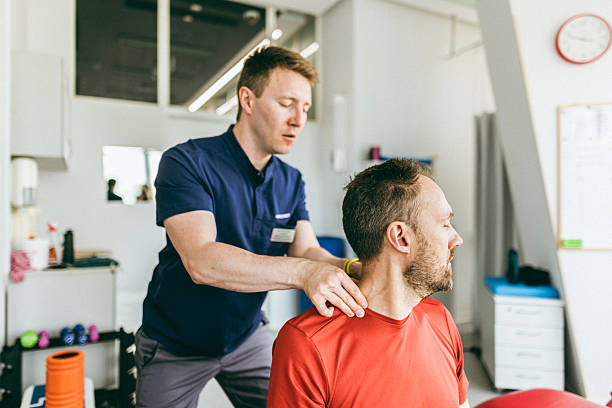
Early-career professionals who independently treat athletes, design rehab plans, and provide on-field support under guidance. They focus on...
0.0LPA
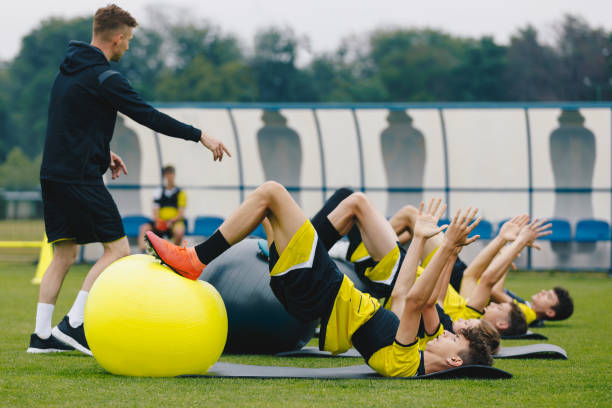
Mid-level professionals who lead complex injury cases, oversee rehabilitation, and ensure treatment efficacy for athletes. They implement advanced...
0.0LPA
Experienced professionals who focus on niche areas like biomechanical analysis or elite athlete rehab, providing advanced care or consultation....
0.0LPA
Take the next step and explore more about Sports Physiotherapy.
Explore similar career paths that might interest you