Athlete
Amateur Athlete (Regional/State Level)
Explore Career
A Strength & Conditioning Coach is a professional responsible for designing and implementing physical training programs to enhance athletes’ strength, endurance, and overall performance, often working in dynamic environments such as sports teams, training facilities, and fitness centers. They operate in settings like professional sports organizations, university athletic departments, and private gyms. Strength & Conditioning Coaches apply expertise in exercise science, biomechanics, and nutrition to optimize athletic performance and prevent injuries. By combining scientific knowledge with practical training skills, they play a crucial role in preparing athletes for competition in a world increasingly focused on physical optimization in sports.
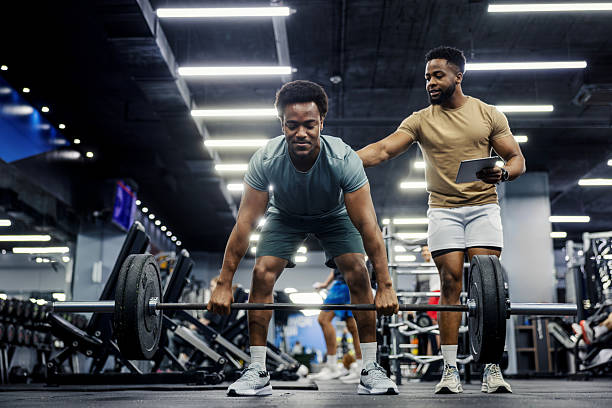
Strength & Conditioning Coaches are specialists who focus on improving athletes’ physical capabilities through tailored fitness programs, applying their knowledge to build strength, speed, agility, and endurance. Their work involves program design, training supervision, injury prevention strategies, and performance monitoring. They often operate in high-energy, results-driven environments across professional sports, collegiate athletics, and individual athlete training, balancing scientific precision with motivational coaching. Strength & Conditioning Coaches are vital to fields like athletic performance, injury prevention, physical conditioning, and sports science, serving as key contributors to competitive success through physical preparation, advancing training standards, and ensuring accessibility to fitness expertise. They tackle critical physical challenges through systematic approaches and improve outcomes through innovative training methods in a landscape where physical fitness and injury resilience remain essential for athletic and team success.
| Route | Steps |
| Route 1 | 1. 10+2 in Science stream (preferably with Biology or Physical Education). 2. Bachelor's degree in Sports Science, Kinesiology, or Exercise Science (3-4 years). 3. Master's degree in Strength & Conditioning or Sports Science (2 years, optional). 4. PhD in Exercise Physiology or Sports Performance (3-5 years, optional). 5. Specialized certifications in strength and conditioning (e.g., CSCS) (optional). |
| Route 2 | 1. 10+2 in any stream with Physical Education. 2. Diploma in Sports Coaching or Fitness Training (1-2 years). 3. Bachelor's degree in Sports Science (lateral entry, 2-3 years, optional). 4. Certification in strength and conditioning or personal training (6 months-1 year). 5. Practical experience through internships with sports teams or gyms. |
| Route 3 | 1. 10+2 in any stream with a focus on Physical Education or Science. 2. Bachelor's degree in any field with sports or fitness-related coursework (3 years). 3. Diploma or Certificate in Strength & Conditioning (1-2 years). 4. Practical training under experienced coaches or at sports facilities. 5. Industry-specific certification for professional credibility. |
| Route 4 | 1. 10+2 in any stream. 2. Bachelor's degree from India in relevant field (3 years). 3. Master's or specialized certification in Strength & Conditioning abroad (2-3 years). 4. Training or licensure for international strength and conditioning standards (1-2 years). 5. Specialized courses in advanced exercise science or biomechanics (if applicable). |
| Institute | Course/Program | Official Link |
| National Institute of Sports (NIS), Patiala | Diploma in Sports Coaching (Strength Focus) | https://www.nsnis.org/ |
| Lakshmibai National Institute of Physical Education (LNIPE), Gwalior | Bachelor’s/Master’s in Sports Science | https://www.lnipe.edu.in/ |
| Symbiosis School of Sports Sciences, Pune | MBA in Sports Management (Fitness Focus) | https://ssss.edu.in/ |
| Amity School of Physical Education & Sports Sciences, Noida | Bachelor’s in Sports Science | https://www.amity.edu/ |
| University of Delhi, Delhi | Bachelor’s in Physical Education | https://www.du.ac.in/ |
| Christ University, Bangalore | Bachelor’s in Sports Science | https://www.christuniversity.in/ |
| Banaras Hindu University (BHU), Varanasi | Bachelor’s/Master’s in Physical Education | https://www.bhu.ac.in/ |
| University of Mumbai, Mumbai | Bachelor’s in Sports Science | https://mu.ac.in/ |
| Anna University, Chennai | Bachelor’s in Sports Technology | https://www.annauniv.edu/ |
| IGNOU (Indira Gandhi National Open University), New Delhi | Certificate in Fitness Management | https://www.ignou.ac.in/ |
| Institution | Course | Country | Official Link |
| University of Southern California (USC) | BS/MS in Kinesiology (Strength Focus) | USA | https://www.usc.edu/ |
| Loughborough University | BSc/MSc in Strength & Conditioning | UK | https://www.lboro.ac.uk/ |
| University of Queensland | Bachelor of Exercise and Sport Sciences | Australia | https://www.uq.edu.au/ |
| University of Toronto | Bachelor of Kinesiology | Canada | https://www.utoronto.ca/ |
| Florida State University | BS/MS in Exercise Physiology | USA | https://www.fsu.edu/ |
| University of Florida | BS in Applied Physiology and Kinesiology | USA | https://www.ufl.edu/ |
| University of Birmingham | BSc in Sport and Exercise Science | UK | https://www.birmingham.ac.uk/ |
| University of British Columbia | Bachelor of Kinesiology (Strength Track) | Canada | https://www.ubc.ca/ |
| Edith Cowan University | Master of Strength & Conditioning | Australia | https://www.ecu.edu.au/ |
| University of Otago | Bachelor of Physical Education | New Zealand | https://www.otago.ac.nz/ |
India:
International:
Undergraduate/Diploma Student → Strength & Conditioning Intern → Junior Strength & Conditioning Coach → Established Strength & Conditioning Coach → Senior Strength & Conditioning Coach → Head Strength & Conditioning Director
| India | International |
| Board of Control for Cricket in India (BCCI), Mumbai | NFL (National Football League), USA |
| Sports Authority of India (SAI), New Delhi | NBA (National Basketball Association), USA |
| Indian Premier League (IPL) Teams, Pan-India | MLB (Major League Baseball), USA |
| Indian Olympic Association (IOA), New Delhi | Premier League Clubs, UK |
| Indian Super League (ISL), Pan-India | FIFA, Global |
| Hockey India, New Delhi | UEFA, Europe |
| All India Tennis Association (AITA), New Delhi | United States Olympic Committee (USOC), USA |
| Pro Kabaddi League, Pan-India | Australian Institute of Sport (AIS), Australia |
| JSW Sports, Mumbai | British Olympic Association, UK |
| Rhiti Sports Management, New Delhi | Canadian Sport Institute, Canada |
| Pros | Cons |
| Significant contribution to athletes’ performance and success through tailored physical training programs. | High pressure to deliver results, especially during competitive seasons or major events. |
| Intellectually stimulating work combining exercise science, biomechanics, and coaching in dynamic environments. | Physically demanding role requiring long hours on the field or in the gym. |
| High demand across sports sectors for skilled coaches as physical optimization gains importance. | Risk of burnout due to intense schedules and the need to constantly motivate athletes. |
| Opportunities for specialization in diverse areas like injury prevention, sport-specific training, or youth development. | Limited job security in early career stages or when working with smaller organizations. |
| Growing relevance due to increasing focus on fitness, injury prevention, and performance in sports. | Need for continuous learning to stay updated with evolving training methods and technologies. |
| Career Level | India (₹ per annum) | International (US$ per annum) |
| Trainee/Strength & Conditioning Intern | 2,00,000 - 4,00,000 | $25,000 - $35,000 |
| Junior Strength & Conditioning Coach | 4,00,000 - 7,00,000 | $40,000 - $55,000 |
| Established Strength & Conditioning Coach | 7,00,000 - 12,00,000 | $55,000 - $80,000 |
| Senior Strength & Conditioning Coach | 12,00,000 - 18,00,000 | $80,000 - $110,000 |
| Head Strength & Conditioning Director | 18,00,000 - 30,00,000 | $110,000 - $150,000+ |
A career as a Strength & Conditioning Coach offers a unique opportunity to impact athletes’ performance and well-being by designing physical training programs that optimize strength, endurance, and injury resilience in competitive sports. From enhancing athletic capabilities through tailored workouts to preventing injuries and supporting recovery, Strength & Conditioning Coaches play a pivotal role in advancing athlete outcomes and team success through science-based training solutions for diverse sports disciplines. This field combines exercise science expertise, practical coaching skills, and sports understanding, offering diverse paths in teams, universities, fitness centers, and freelance consultancies. For those passionate about fitness, sports, and performance optimization, a career as a Strength & Conditioning Coach provides a deeply rewarding journey with significant potential for making meaningful contributions to society in an era where physical conditioning and technological innovations continue to shape athletic performance, competitive strategies, and cultural engagement across all sectors.

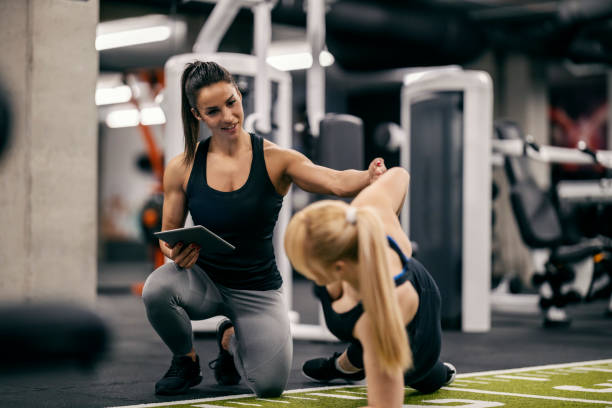
Early-career professionals establish roles in smaller teams or support positions in larger organizations, developing expertise in training design...
0.0LPA
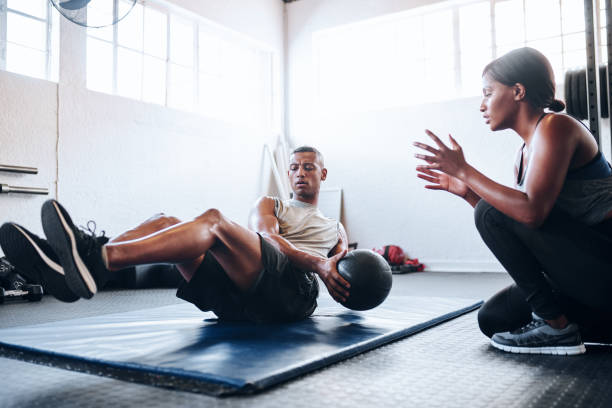
Mid-career professionals maintain active roles in training athletes, often developing subspecialty interests within areas such as injury...
0.0LPA
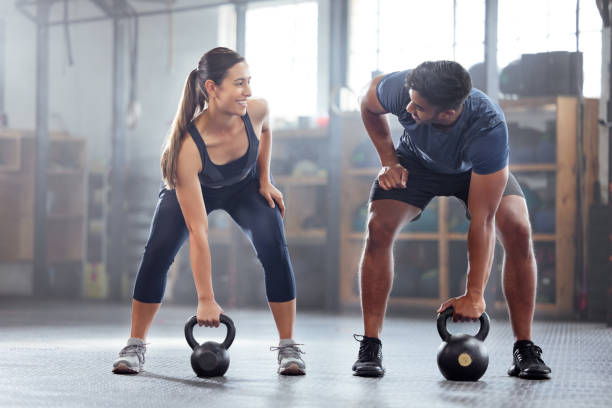
Experienced professionals often take leadership roles, overseeing training programs for major teams or organizations while mentoring staff and...
0.0LPA
Take the next step and explore more about Strength & Conditioning Coach.
Explore similar career paths that might interest you