Ayurvedic Doctor
Junior Ayurvedic Doctor
Explore Career
A Thoracic Surgeon is a specialized medical professional who performs surgical procedures on the organs within the chest, including the heart, lungs, esophagus, and other structures in the thoracic cavity. They treat conditions such as lung cancer, heart disease, and esophageal disorders, often managing life-threatening situations. Working in hospitals, cardiac centers, and specialized surgical units, Thoracic Surgeons are pivotal in saving lives and improving respiratory and cardiovascular health. This career falls under the Health Sciences career cluster, emphasizing advanced surgical intervention and critical care.
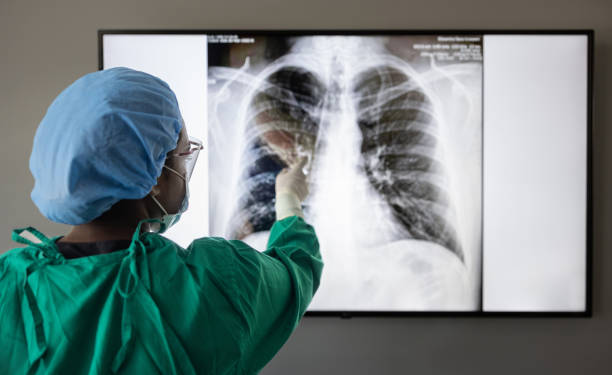
Thoracic Surgeons undertake complex surgeries to address diseases and injuries affecting the chest, employing techniques ranging from open-heart surgeries like coronary artery bypass to minimally invasive procedures like video-assisted thoracoscopic surgery (VATS) for lung conditions. They diagnose issues using advanced imaging, plan intricate operations, and provide post-operative care to ensure recovery. Their expertise is vital in treating cancers, congenital defects, and trauma within the thoracic region, blending precision with life-saving urgency. By focusing on the heart and lungs, they significantly enhance patients’ survival and quality of life.
| Route | Steps |
| Route 1 | 1. 10+2 with Physics, Chemistry, Biology (PCB) |
| 2. MBBS degree (5.5 years including internship) | |
| 3. MS in General Surgery (3 years) | |
| 4. MCh/DNB in Cardiothoracic Surgery (3 years) | |
| 5. Certification from relevant medical board | |
| Route 2 | 1. 10+2 with Physics, Chemistry, Biology (PCB) |
| 2. MBBS degree (5.5 years including internship) | |
| 3. DNB in General Surgery (3 years) | |
| 4. Fellowship in Thoracic Surgery (1-2 years) | |
| Route 3 | 1. 10+2 with Physics, Chemistry, Biology (PCB) |
| 2. MBBS degree (5.5 years including internship) | |
| 3. MS in General Surgery (3 years) | |
| 4. Super-specialty training in Minimally Invasive Thoracic Surgery (1-2 years) | |
| Route 4 (International) | 1. 10+2 with Physics, Chemistry, Biology (PCB) |
| 2. MBBS from India (5.5 years including internship) | |
| 3. USMLE/PLAB or equivalent international licensing exams | |
| 4. Residency in General Surgery followed by Cardiothoracic Surgery Fellowship in US/UK/Australia (5-7 years) | |
| 5. Board certification in Thoracic Surgery (e.g., American Board of Thoracic Surgery) |
| Institute | Course/Program | Official Link |
| All India Institute of Medical Sciences (AIIMS), New Delhi | MCh in Cardiothoracic Surgery | https://www.aiims.edu/ |
| Postgraduate Institute of Medical Education and Research (PGIMER), Chandigarh | MCh in Cardiothoracic Surgery | https://pgimer.edu.in/ |
| Christian Medical College (CMC), Vellore | MCh in Cardiothoracic Surgery | https://www.cmch-vellore.edu/ |
| King George's Medical University, Lucknow | MCh in Cardiothoracic Surgery | https://www.kgmu.org/ |
| Jawaharlal Institute of Postgraduate Medical Education and Research (JIPMER), Puducherry | MCh in Cardiothoracic Surgery | https://jipmer.edu.in/ |
| Seth GS Medical College and KEM Hospital, Mumbai | MCh in Cardiothoracic Surgery | https://www.kem.edu/ |
| Madras Medical College, Chennai | MCh in Cardiothoracic Surgery | https://www.mmc.ac.in/ |
| Sanjay Gandhi Postgraduate Institute of Medical Sciences, Lucknow | MCh in Cardiothoracic Surgery | https://www.sgpgi.ac.in/ |
| Sree Chitra Tirunal Institute for Medical Sciences and Technology, Trivandrum | MCh in Cardiothoracic Surgery | https://www.sctimst.ac.in/ |
| Narayana Institute of Cardiac Sciences, Bangalore | Fellowship in Cardiothoracic Surgery | https://www.narayanahealth.org/ |
| Institution | Course | Country | Official Link |
| Johns Hopkins University School of Medicine | Cardiothoracic Surgery Residency/Fellowship | USA | https://www.hopkinsmedicine.org/ |
| Harvard Medical School - Massachusetts General Hospital | Cardiothoracic Surgery Fellowship | USA | https://hms.harvard.edu/ |
| University of Oxford - John Radcliffe Hospital | Cardiothoracic Surgery Training | UK | https://www.ox.ac.uk/ |
| University of Toronto Faculty of Medicine | Cardiothoracic Surgery Residency | Canada | https://www.utoronto.ca/ |
| University of Melbourne - Royal Melbourne Hospital | Cardiothoracic Surgery Training | Australia | https://www.unimelb.edu.au/ |
| Mayo Clinic College of Medicine and Science | Cardiothoracic Surgery Fellowship | USA | https://college.mayo.edu/ |
| University College London (UCL) Hospitals | Cardiothoracic Surgery Fellowship | UK | https://www.ucl.ac.uk/ |
| Karolinska University Hospital | Cardiothoracic Surgery Specialization | Sweden | https://ki.se/en |
| Stanford University School of Medicine | Cardiothoracic Surgery Fellowship | USA | https://www.stanford.edu/ |
| McGill University Health Centre | Cardiothoracic Surgery Fellowship | Canada | https://www.mcgill.ca/ |
India:
International:
Medical Student → General Surgery Resident → Cardiothoracic Surgery Resident → Thoracic Surgeon → Senior Thoracic Surgeon → Head of Thoracic Surgery Department → Thoracic Surgery Consultant/Professor
| India | International |
| All India Institute of Medical Sciences (AIIMS) | Mayo Clinic, USA |
| Apollo Hospitals | Johns Hopkins Hospital, USA |
| Fortis Healthcare | Cleveland Clinic, USA |
| Max Healthcare | Royal Brompton Hospital, UK |
| Medanta - The Medicity | Massachusetts General Hospital, USA |
| Narayana Institute of Cardiac Sciences | Toronto General Hospital, Canada |
| Sir Ganga Ram Hospital | The Alfred Hospital, Australia |
| Kokilaben Dhirubhai Ambani Hospital | Charité - Universitätsmedizin, Germany |
| Manipal Hospitals | Singapore General Hospital, Singapore |
| Christian Medical College (CMC), Vellore | Texas Heart Institute, USA |
| Pros | Cons |
| Profound impact on saving lives through critical surgeries | Extremely long and demanding training duration |
| Opportunity to work with cutting-edge surgical technologies | High stress due to life-or-death surgical outcomes |
| High demand with rising thoracic and cardiovascular diseases | Risk of patient complications or mortality in complex cases |
| Diverse scope covering heart, lungs, and esophageal surgeries | Long, irregular hours with frequent on-call emergencies |
| Potential for significant patient recovery and gratitude | Emotional toll from managing critical and terminal conditions |
(Figures are approximate and based on latest available data as of 2026, subject to change.)
| Career Level | India (₹ per annum) | International (US$ per annum) |
| Thoracic Surgeon (Entry-Level) | 20,00,000 - 35,00,000 | $300,000 - $400,000 |
| Senior Thoracic Surgeon | 40,00,000 - 70,00,000 | $400,000 - $550,000 |
| Head of Thoracic Surgery Department | 80,00,000 - 1,30,00,000 | $550,000 - $750,000 |
| Thoracic Surgery Consultant/Professor | 90,00,000 - 1,60,00,000 | $600,000 - $850,000 |
| Specialized Lung Transplant Surgeon | 60,00,000 - 1,00,00,000 | $500,000 - $700,000 |
Venturing into the realm of a Thoracic Surgeon presents a remarkable chance to preserve life by navigating the vital intricacies of the chest’s core organs. These experts serve as champions of survival, employing surgical artistry to mend hearts and lungs under the most demanding circumstances. With opportunities spanning emergency rescues to pioneering research, this discipline appeals to those driven by a relentless pursuit of precision and patient recovery. For anyone eager to embrace the profound responsibility of safeguarding vital functions, thoracic surgery offers an immensely rewarding and dynamic professional voyage.


A General Thoracic Surgeon performs surgeries on the lungs, esophagus, and other chest organs, addressing conditions like lung cancer and...
0.0LPA

A Cardiothoracic Surgeon specializes in surgeries involving both the heart and thoracic cavity, such as coronary artery bypass grafting and valve...
0.0LPA
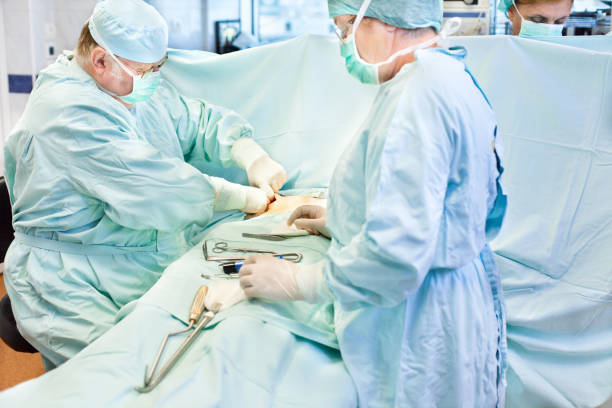
A Senior Thoracic Surgeon handles intricate cases, mentors junior surgeons, and often leads surgical teams in major medical centers. They bring...
0.0LPA
Take the next step and explore more about Thoracic Surgeon.
Explore similar career paths that might interest you