
Ayurvedic Doctor
Junior Ayurvedic Doctor
Explore Career
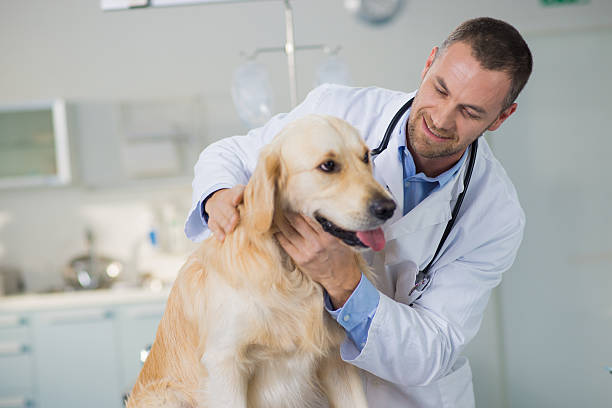
A Veterinary Doctor, also known as a Veterinarian, is a professional who specializes in the medical care, diagnosis, and treatment of animals, ensuring their health and welfare. They operate within private clinics, hospitals, farms, zoos, and government agencies, collaborating with animal owners, researchers, and policymakers to prevent and manage animal diseases and promote public health. Veterinary Doctors play a crucial role in modern society and animal welfare in an era where pet care, livestock production, and zoonotic disease prevention are increasingly prioritized.

Veterinary Doctors are medically trained individuals tasked with diagnosing and treating illnesses, injuries, and health conditions in a wide range of animals, including pets, livestock, and wildlife. Their role includes performing surgeries, prescribing medications, and providing preventive care such as vaccinations. They combine expertise in animal physiology, pathology, and pharmacology, working in diverse settings such as clinics, rural farms, research labs, and wildlife sanctuaries. As key contributors to animal and public health, Veterinary Doctors drive progress in a landscape increasingly focused on animal welfare, food safety, and disease control.
| Route | Steps |
| Route 1 | 1. 10+2 in Science stream (Biology, Physics, Chemistry required) |
| 2. Bachelor of Veterinary Science and Animal Husbandry (B.V.Sc. & A.H.) (5-5.5 years) | |
| 3. Start as a Junior Veterinary Doctor in clinics or farms | |
| Route 2 | 1. 10+2 in Science stream (Biology, Physics, Chemistry required) |
| 2. Bachelor of Veterinary Science and Animal Husbandry (B.V.Sc. & A.H.) (5-5.5 years) | |
| 3. Master of Veterinary Science (M.V.Sc.) in a specialization (2 years) | |
| 4. Work as a Veterinary Doctor in specialized fields or research | |
| Route 3 | 1. 10+2 in Science stream (Biology, Physics, Chemistry required) |
| 2. Bachelor of Veterinary Science and Animal Husbandry (B.V.Sc. & A.H.) (5-5.5 years) | |
| 3. Master of Veterinary Science (M.V.Sc.) in a specialization (2 years) | |
| 4. Certification or Short Courses in Veterinary Specialties (6 months-1 year) | |
| 5. Pursue Roles as a Senior Veterinary Doctor or Consultant | |
| Route 4 | 1. 10+2 in Science stream (Biology, Physics, Chemistry required) |
| 2. Bachelor of Veterinary Science and Animal Husbandry (B.V.Sc. & A.H.) (5-5.5 years) | |
| 3. Master of Veterinary Science (M.V.Sc.) in a specialization (2 years) | |
| 4. Ph.D. in Veterinary Science or related field (3-5 years) | |
| 5. Serve as a Lead Researcher, Professor, or Veterinary Industry Expert |
| Institute | Course/Program | Official Link |
| Indian Veterinary Research Institute (IVRI), Izatnagar | B.V.Sc., M.V.Sc., Ph.D. in Veterinary Science | https://www.ivri.nic.in/ |
| Guru Angad Dev Veterinary and Animal Sciences University (GADVASU), Ludhiana | B.V.Sc., M.V.Sc., Ph.D. in Veterinary Science | https://www.gadvasu.in/ |
| Tamil Nadu Veterinary and Animal Sciences University (TANUVAS), Chennai | B.V.Sc., M.V.Sc., Ph.D. in Veterinary Science | https://www.tanuvas.ac.in/ |
| Rajasthan University of Veterinary and Animal Sciences (RAJUVAS), Bikaner | B.V.Sc., M.V.Sc., Ph.D. in Veterinary Science | https://rajuvas.org/ |
| Maharashtra Animal and Fishery Sciences University (MAFSU), Nagpur | B.V.Sc., M.V.Sc., Ph.D. in Veterinary Science | https://www.mafsu.in/ |
| Kerala Veterinary and Animal Sciences University (KVASU), Wayanad | B.V.Sc., M.V.Sc., Ph.D. in Veterinary Science | https://www.kvasu.ac.in/ |
| West Bengal University of Animal and Fishery Sciences (WBUAFS), Kolkata | B.V.Sc., M.V.Sc., Ph.D. in Veterinary Science | https://wbuafscl.ac.in/ |
| Lala Lajpat Rai University of Veterinary and Animal Sciences (LUVAS), Hisar | B.V.Sc., M.V.Sc., Ph.D. in Veterinary Science | https://www.luvas.edu.in/ |
| Assam Agricultural University (AAU), Jorhat | B.V.Sc., M.V.Sc., Ph.D. in Veterinary Science | https://www.aau.ac.in/ |
| Karnataka Veterinary, Animal and Fisheries Sciences University (KVAFSU), Bidar | B.V.Sc., M.V.Sc., Ph.D. in Veterinary Science | https://www.kvafsu.edu.in/ |
| Institution | Course | Country | Official Link |
| Cornell University, Ithaca | Doctor of Veterinary Medicine (DVM), Ph.D. | USA | https://www.cornell.edu/ |
| University of California, Davis | Doctor of Veterinary Medicine (DVM), M.Sc. | USA | https://www.ucdavis.edu/ |
| Royal Veterinary College (RVC), London | Bachelor of Veterinary Medicine (BVetMed), M.Sc. | UK | https://www.rvc.ac.uk/ |
| University of Guelph, Guelph | Doctor of Veterinary Medicine (DVM), M.Sc. | Canada | https://www.uoguelph.ca/ |
| University of Melbourne, Melbourne | Doctor of Veterinary Medicine (DVM), M.Sc. | Australia | https://www.unimelb.edu.au/ |
| Utrecht University, Utrecht | M.Sc., Ph.D. in Veterinary Medicine | Netherlands | https://www.uu.nl/ |
| University of Edinburgh, Edinburgh | Bachelor of Veterinary Medicine and Surgery (BVM&S) | UK | https://www.ed.ac.uk/ |
| Texas A&M University, College Station | Doctor of Veterinary Medicine (DVM), Ph.D. | USA | https://www.tamu.edu/ |
| University of Sydney, Sydney | Doctor of Veterinary Medicine (DVM), M.Sc. | Australia | https://www.sydney.edu.au/ |
| Massey University, Palmerston North | Bachelor of Veterinary Medicine (BVSc), M.Sc. | New Zealand | https://www.massey.ac.nz/ |
India:
International:
Aspiring Veterinary Doctor → Junior Veterinary Doctor → Veterinary Doctor → Senior Veterinary Doctor → Veterinary Specialist → Veterinary Hospital Manager → Veterinary Consultant → Veterinary Policy Advisor → Professor → Global Veterinary Expert
| India | International |
| Indian Veterinary Research Institute (IVRI), Izatnagar | World Organisation for Animal Health (OIE), Global |
| Guru Angad Dev Veterinary and Animal Sciences University (GADVASU), Ludhiana | American Veterinary Medical Association (AVMA), USA |
| Tamil Nadu Veterinary and Animal Sciences University (TANUVAS), Chennai | Royal College of Veterinary Surgeons (RCVS), UK |
| National Dairy Development Board (NDDB), Anand | Centers for Disease Control and Prevention (CDC), USA |
| Department of Animal Husbandry and Dairying, Government of India | World Health Organization (WHO), Global |
| State Animal Husbandry Departments | Banfield Pet Hospital, USA |
| PETA India, Mumbai | Blue Cross, UK |
| Veterinary Hospitals like Max PetZ, Delhi | VCA Animal Hospitals, USA |
| Private Clinics across India | RSPCA (Royal Society for the Prevention of Cruelty to Animals), UK |
| Local Animal Welfare Organizations | International Fund for Animal Welfare (IFAW), Global |
| Pros | Cons |
| Opportunity to contribute to animal welfare through medical care and treatment | Physically and emotionally demanding work, often involving long or irregular hours |
| Potential for societal impact by ensuring food safety and preventing zoonotic diseases | High responsibility to manage critical cases or euthanasia decisions |
| Rewarding impact through saving animal lives and building bonds with pets and owners | Risk of injury from handling distressed or aggressive animals |
| Diverse career paths across clinical practice, research, public health, and policy | High educational costs and lengthy training periods for qualification |
| Strong potential for growth with increasing pet ownership and livestock industries | Risk of burnout due to emotional stress and demanding schedules |
| Career Level | India (₹ per annum) | International (USD per annum) |
| Junior Veterinary Doctor (Early Career) | 3,00,000 - 6,00,000 | 40,000 - 60,000 |
| Veterinary Doctor (Mid-Career) | 6,00,000 - 12,00,000 | 60,000 - 90,000 |
| Senior Veterinary Doctor (Established) | 12,00,000 - 20,00,000 | 90,000 - 120,000 |
| Veterinary Specialist/Hospital Manager | 20,00,000 - 30,00,000 | 120,000 - 160,000 |
| Professor/Global Veterinary Expert | 30,00,000+ | 160,000+ |
Note: Salaries vary widely based on location, experience, sector (government vs. private vs. research), and region. International figures are approximate and depend on the country and funding. High-profile consultancy or specialized roles often yield significantly higher earnings based on impact and demand.
A career as a Veterinary Doctor offers a unique opportunity to contribute to animal health, welfare, and public safety by navigating complex medical challenges for diverse needs. From conducting transformative treatments to managing disease outbreaks and advancing animal care standards, Veterinary Doctors play a pivotal role in medical and societal ecosystems. This field combines scientific expertise, practical skill, and a commitment to solving critical challenges, offering diverse paths in clinical practice, research, public health, and beyond. For those passionate about animals, adapting to dynamic industry trends, and addressing global needs in an era of rising animal welfare concerns, a career as a Veterinary Doctor provides an intellectually stimulating and professionally rewarding journey with the potential to make significant contributions to society by advancing the science and application of veterinary knowledge worldwide.


Early-career individuals train in academic or clinical settings to gain experience. They build skills in animal care while seeking opportunities....
0.0LPA

Professionals assist in clinical or farm settings under guidance with growing competence. They offer support in diagnostics and learn from...
0.0LPA
Specialists conduct independent diagnoses and treatments with notable competence. They integrate medical science with practical needs for...
0.0LPA
Take the next step and explore more about Veterinary Doctor.
Explore similar career paths that might interest you