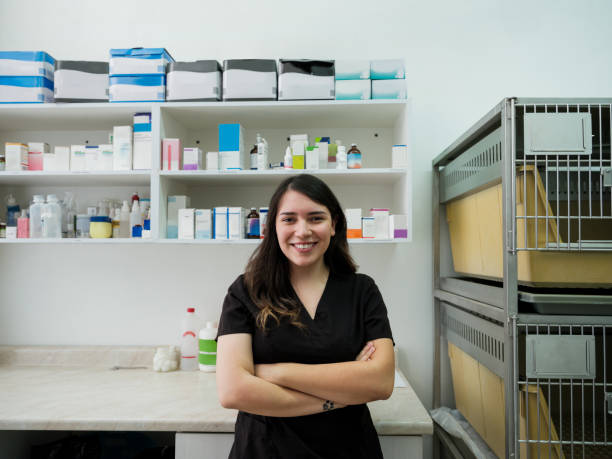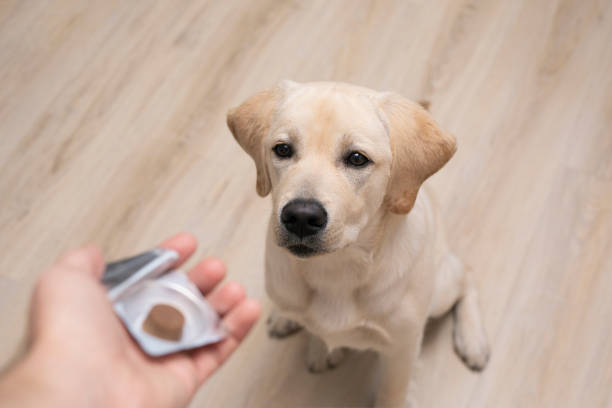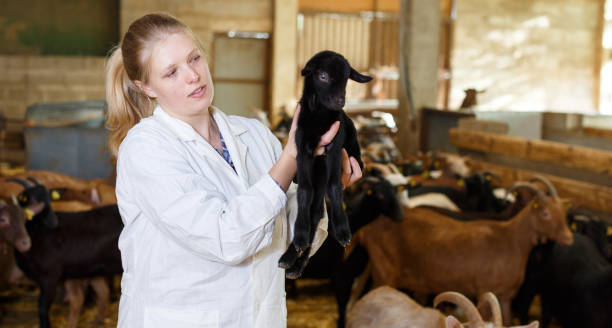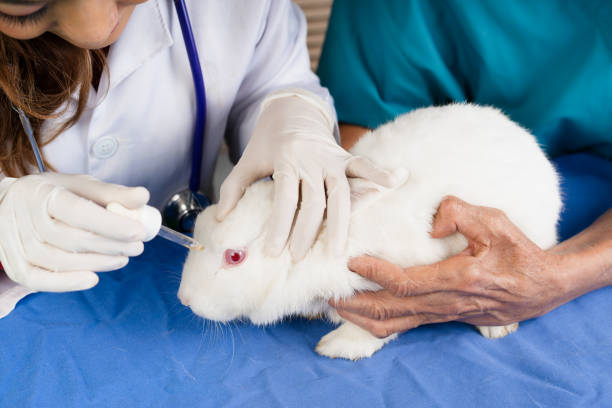
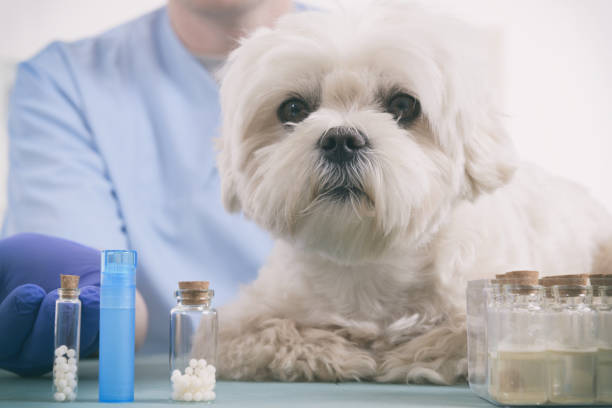
Veterinary Pharmacologists are scientifically trained individuals tasked with researching how drugs interact with animal physiology, developing new medications, and evaluating their effects to improve animal health outcomes. Their role includes designing drug therapies, assessing toxicity, and ensuring compliance with regulatory standards for veterinary pharmaceuticals. They combine expertise in pharmacology, veterinary science, and toxicology, working in diverse settings such as laboratories, drug development firms, and academic institutions. As key contributors to animal healthcare and drug innovation, Veterinary Pharmacologists drive progress in a landscape increasingly focused on effective treatments, antimicrobial resistance, and ethical drug use.
- Drug Research and Development
- Investigate the effects of drugs on animal physiology to develop new therapeutic agents.
- Design and conduct preclinical trials to assess drug efficacy and safety in various species.
- Pharmacokinetic and Pharmacodynamic Studies
- Analyze how drugs are absorbed, distributed, metabolized, and excreted in animals.
- Study the mechanisms of drug action to optimize dosing regimens and therapeutic outcomes.
- Toxicity and Safety Assessment
- Evaluate potential adverse effects and toxicity of veterinary drugs through laboratory and animal studies.
- Ensure drugs meet safety standards for both animals and humans (e.g., in food-producing animals).
- Drug Resistance Management
- Research antimicrobial resistance in animals to develop strategies for responsible drug use.
- Collaborate with veterinarians to minimize overuse of antibiotics and other critical medications.
- Regulatory Compliance and Approval
- Prepare data and documentation for drug approval by regulatory bodies like the FDA or CDSCO.
- Ensure compliance with national and international guidelines for veterinary pharmaceuticals.
- Clinical Application Support
- Advise veterinarians on appropriate drug selection, dosages, and potential interactions for specific animal conditions.
- Develop protocols for safe and effective drug administration in clinical settings.
- Education and Outreach
- Educate veterinary professionals and students on pharmacology principles and drug safety.
- Publish research findings to advance knowledge in veterinary pharmacology.
- Public Health and Food Safety
- Assess drug residues in food-producing animals to ensure consumer safety.
- Work with regulatory agencies to establish withdrawal periods and maximum residue limits.
| Route | Steps |
| Route 1 | 1. 10+2 in Science stream (Biology, Physics, Chemistry required) |
| 2. Bachelor of Veterinary Science and Animal Husbandry (B.V.Sc. & A.H.) (5-5.5 years) | |
| 3. Start as a Junior Veterinary Pharmacologist in research or industry | |
| Route 2 | 1. 10+2 in Science stream (Biology, Physics, Chemistry required) |
| 2. Bachelor of Veterinary Science and Animal Husbandry (B.V.Sc. & A.H.) (5-5.5 years) | |
| 3. Master of Veterinary Science (M.V.Sc.) in Veterinary Pharmacology (2 years) | |
| 4. Work as a Veterinary Pharmacologist in research, industry, or academia | |
| Route 3 | 1. 10+2 in Science stream (Biology, Physics, Chemistry required) |
| 2. Bachelor of Veterinary Science and Animal Husbandry (B.V.Sc. & A.H.) (5-5.5 years) | |
| 3. Master of Veterinary Science (M.V.Sc.) in Veterinary Pharmacology (2 years) | |
| 4. Certification or Short Courses in Veterinary Drug Development (6 months-1 year) | |
| 5. Pursue Roles as a Senior Veterinary Pharmacologist or Consultant | |
| Route 4 | 1. 10+2 in Science stream (Biology, Physics, Chemistry required) |
| 2. Bachelor of Veterinary Science and Animal Husbandry (B.V.Sc. & A.H.) (5-5.5 years) | |
| 3. Master of Veterinary Science (M.V.Sc.) in Veterinary Pharmacology (2 years) | |
| 4. Ph.D. in Veterinary Pharmacology or related field (3-5 years) | |
| 5. Serve as a Lead Researcher, Professor, or Veterinary Pharmacology Expert |
- Participation in internships at pharmaceutical companies or research labs during or after academic programs for hands-on experience.
- Involvement in student-led drug research or toxicology projects for practical exposure.
- Assisting senior Veterinary Pharmacologists in preclinical trials or drug testing for real-world insights.
- Observerships at regulatory agencies or veterinary drug manufacturers for advanced learning and mentorship.
- Participation in pharmacology conferences or workshops for skill development and visibility.
- Training through collaborative projects like antimicrobial resistance studies or drug formulation for diverse exposure.
- Exposure to industry-standard practices like pharmacokinetic modeling or toxicity testing.
- Project-based learning focusing on varied areas like drug metabolism or therapeutic design.
- Community animal health programs to build practical experience in local drug application.
- International pharmacology training programs or online courses for exposure to global challenges.
- Bachelor of Veterinary Science and Animal Husbandry (B.V.Sc. & A.H.).
- Master of Veterinary Science (M.V.Sc.) in Veterinary Pharmacology and Toxicology.
- Ph.D. in Veterinary Pharmacology or related field.
- Diploma in Veterinary Pharmacy or Drug Development.
- Specialization in Veterinary Clinical Pharmacology.
- Certification in Veterinary Toxicology.
- Training in Pharmacokinetics and Pharmacodynamics.
- Workshops on Veterinary Drug Regulatory Affairs.
- Short Courses in Antimicrobial Resistance Management.
- Advanced Training in Veterinary Drug Formulation.
| Institute | Course/Program | Official Link |
| Indian Veterinary Research Institute (IVRI), Izatnagar | B.V.Sc., M.V.Sc., Ph.D. in Veterinary Pharmacology | https://www.ivri.nic.in/ |
| Guru Angad Dev Veterinary and Animal Sciences University (GADVASU), Ludhiana | B.V.Sc., M.V.Sc., Ph.D. in Veterinary Pharmacology | https://www.gadvasu.in/ |
| Tamil Nadu Veterinary and Animal Sciences University (TANUVAS), Chennai | B.V.Sc., M.V.Sc., Ph.D. in Veterinary Pharmacology | https://www.tanuvas.ac.in/ |
| Rajasthan University of Veterinary and Animal Sciences (RAJUVAS), Bikaner | B.V.Sc., M.V.Sc., Ph.D. in Veterinary Pharmacology | https://rajuvas.org/ |
| Maharashtra Animal and Fishery Sciences University (MAFSU), Nagpur | B.V.Sc., M.V.Sc., Ph.D. in Veterinary Pharmacology | https://www.mafsu.in/ |
| Kerala Veterinary and Animal Sciences University (KVASU), Wayanad | B.V.Sc., M.V.Sc., Ph.D. in Veterinary Pharmacology | https://www.kvasu.ac.in/ |
| West Bengal University of Animal and Fishery Sciences (WBUAFS), Kolkata | B.V.Sc., M.V.Sc., Ph.D. in Veterinary Pharmacology | https://wbuafscl.ac.in/ |
| Lala Lajpat Rai University of Veterinary and Animal Sciences (LUVAS), Hisar | B.V.Sc., M.V.Sc., Ph.D. in Veterinary Pharmacology | https://www.luvas.edu.in/ |
| Assam Agricultural University (AAU), Jorhat | B.V.Sc., M.V.Sc., Ph.D. in Veterinary Pharmacology | https://www.aau.ac.in/ |
| Karnataka Veterinary, Animal and Fisheries Sciences University (KVAFSU), Bidar | B.V.Sc., M.V.Sc., Ph.D. in Veterinary Pharmacology | https://www.kvafsu.edu.in/ |
| Institution | Course | Country | Official Link |
| Cornell University, Ithaca | Doctor of Veterinary Medicine (DVM), Ph.D. in Pharmacology | USA | https://www.cornell.edu/ |
| University of California, Davis | DVM, M.Sc., Ph.D. in Veterinary Pharmacology | USA | https://www.ucdavis.edu/ |
| Royal Veterinary College (RVC), London | M.Sc., Ph.D. in Veterinary Pharmacology | UK | https://www.rvc.ac.uk/ |
| University of Guelph, Guelph | DVM, M.Sc., Ph.D. in Veterinary Pharmacology | Canada | https://www.uoguelph.ca/ |
| University of Melbourne, Melbourne | DVM, M.Sc., Ph.D. in Veterinary Pharmacology | Australia | https://www.unimelb.edu.au/ |
| Utrecht University, Utrecht | M.Sc., Ph.D. in Veterinary Pharmacology | Netherlands | https://www.uu.nl/ |
| University of Edinburgh, Edinburgh | M.Sc., Ph.D. in Veterinary Pharmacology | UK | https://www.ed.ac.uk/ |
| Texas A&M University, College Station | DVM, M.Sc., Ph.D. in Veterinary Pharmacology | USA | https://www.tamu.edu/ |
| University of Sydney, Sydney | DVM, M.Sc., Ph.D. in Veterinary Pharmacology | Australia | https://www.sydney.edu.au/ |
| Massey University, Palmerston North | M.Sc., Ph.D. in Veterinary Pharmacology | New Zealand | https://www.massey.ac.nz/ |
India:
- NEET (National Eligibility cum Entrance Test): Mandatory for admission to B.V.Sc. & A.H. programs in many states and institutions since 2020.
- ICAR AIEEA (All India Entrance Examination for Admission): For admission to undergraduate and postgraduate programs in veterinary sciences at ICAR-affiliated institutes.
- State-Level Veterinary Entrance Exams: Conducted by state veterinary universities like TANUVAS or RAJUVAS for relevant programs.
- University-Specific Exams: Some institutes like GADVASU or IVRI conduct their own entrance tests for veterinary programs.
- UGC NET (University Grants Commission National Eligibility Test): For research fellowships and Ph.D. programs in veterinary pharmacology.
International:
- SAT (Scholastic Assessment Test): Required for undergraduate admissions in the USA and some other countries.
- ACT (American College Testing): Alternative to SAT for undergraduate admissions in the USA.
- GRE (Graduate Record Examination): Required for postgraduate and Ph.D. programs in veterinary pharmacology globally (for some programs).
- VCAT (Veterinary College Admission Test): Used by some veterinary schools in the USA and Canada (now largely replaced by GRE in many institutions).
- TOEFL (Test of English as a Foreign Language): Minimum score of 80-100 required for non-native speakers applying to programs in English-speaking countries.
- IELTS (International English Language Testing System): Minimum score of 6.5-7.0 required for admission to universities in the UK, Australia, and other English-speaking regions.
Aspiring Veterinary Pharmacologist → Junior Veterinary Pharmacologist → Veterinary Pharmacologist → Senior Veterinary Pharmacologist → Veterinary Pharmacology Specialist → Veterinary Pharmacology Research Director → Veterinary Pharmacology Consultant → Veterinary Pharmacology Policy Advisor → Professor → Global Veterinary Pharmacology Expert
- Pharmaceutical companies for veterinary drug research and development.
- Research institutions for studying drug effects and mechanisms in animals.
- Government regulatory agencies for drug approval and safety monitoring.
- Veterinary hospitals for clinical pharmacology support and drug therapy design.
- Academic institutions for teaching and conducting pharmacology research.
- Public health organizations for managing drug residues and food safety.
- Non-profit organizations for advocating responsible drug use in animals.
- Biotechnology firms for developing novel veterinary therapeutics.
- Contract research organizations (CROs) for preclinical drug testing.
- International health bodies for global veterinary drug standards and policies.
| India | International |
| Indian Veterinary Research Institute (IVRI), Izatnagar | Zoetis, USA |
| Guru Angad Dev Veterinary and Animal Sciences University (GADVASU), Ludhiana | Elanco Animal Health, USA |
| Tamil Nadu Veterinary and Animal Sciences University (TANUVAS), Chennai | Merck Animal Health, USA |
| National Institute of Animal Biotechnology (NIAB), Hyderabad | Boehringer Ingelheim Animal Health, Germany |
| Department of Animal Husbandry and Dairying, Government of India | World Organisation for Animal Health (OIE), Global |
| Central Drugs Standard Control Organisation (CDSCO), India | Bayer Animal Health, Germany |
| Veterinary Drug Manufacturers like Intas Animal Health | Novartis Animal Health, Switzerland |
| State Veterinary Research Laboratories | IDEXX Laboratories, USA |
| Private Veterinary Pharmaceutical Companies | Charles River Laboratories, USA |
| Local Animal Health Research Centers | Food and Drug Administration (FDA), USA |
| Pros | Cons |
| Opportunity to contribute to animal health through innovative drug development | Limited direct interaction with live animals compared to clinical veterinary roles |
| Potential for societal impact by improving treatments and ensuring drug safety | High responsibility to ensure drug safety, with potential legal and ethical implications |
| Rewarding impact through creating therapies that enhance animal welfare | Long hours in lab settings with repetitive experimental and analytical tasks |
| Diverse career paths across research, industry, regulatory affairs, and policy | Lengthy educational and research requirements to establish expertise |
| Strong potential for growth with increasing demand for veterinary drugs and resistance solutions | Risk of burnout due to intense research demands and regulatory pressures |
- Growing adoption of precision medicine and personalized drug therapies for animals.
- Rising demand for Veterinary Pharmacologists due to increasing pet healthcare needs and livestock production.
- Advancements in biotechnology for developing targeted veterinary drugs and biologics.
- Heightened focus on antimicrobial stewardship to combat drug resistance in animals.
- Expansion of interdisciplinary approaches combining pharmacology with genomics and data science.
- Development of specialized pharmacology fields like veterinary oncology or pain management.
- Increased emphasis on regulatory harmonization for global veterinary drug approvals.
- Enhanced focus on sustainable drug development to minimize environmental impact.
- Growing need for continuous skill development to master emerging pharmacology technologies.
- Focus on One Health initiatives to integrate animal drug safety with human and environmental health.
| Career Level | India (₹ per annum) | International (USD per annum) |
| Junior Veterinary Pharmacologist (Early Career) | 4,00,000 - 8,00,000 | 50,000 - 70,000 |
| Veterinary Pharmacologist (Mid-Career) | 8,00,000 - 15,00,000 | 70,000 - 100,000 |
| Senior Veterinary Pharmacologist (Established) | 15,00,000 - 25,00,000 | 100,000 - 130,000 |
| Veterinary Pharmacology Specialist/Research Director | 25,00,000 - 35,00,000 | 130,000 - 170,000 |
| Professor/Global Veterinary Pharmacology Expert | 35,00,000+ | 170,000+ |
Note: Salaries vary widely based on location, experience, sector (government vs. private vs. research), and region. International figures are approximate and depend on the country and funding. High-profile roles in pharmaceutical industries or regulatory bodies often yield significantly higher earnings based on impact and demand.
- Pharmacokinetic Modelling Software like Phoenix WinNonlin for drug absorption studies.
- Drug Development Platforms for designing and simulating drug trials.
- Laboratory Information Management Systems (LIMS) for managing experimental data.
- Statistical Analysis Tools like SPSS or R for research data interpretation.
- Molecular Modelling Software like ChemDraw for drug design and interaction studies.
- Regulatory Compliance Software for preparing drug approval submissions.
- Research Management Tools like EndNote for organizing scientific literature.
- Data Visualization Software like Tableau for presenting pharmacological trends.
- Veterinary Drug Databases for referencing approved medications and interactions.
- Collaboration Platforms like Microsoft Teams for team communication in research settings.
- Indian Veterinary Association (IVA), India.
- American College of Veterinary Clinical Pharmacology (ACVCP), USA.
- European Association for Veterinary Pharmacology and Toxicology (EAVPT), Europe.
- World Veterinary Association (WVA), Global.
- Society of Toxicology (SOT), USA.
- Australian Veterinary Association (AVA), Australia.
- International Union of Basic and Clinical Pharmacology (IUPHAR), Global.
- Veterinary Council of India (VCI), India.
- World Organisation for Animal Health (OIE), Global.
- One Health Initiative, Global.
- William Campbell (Contemporary, Ireland/USA): Veterinary Pharmacologist since the 1950s. Known for co-discovering ivermectin, a revolutionary antiparasitic drug for animals and humans. His vision shapes parasitology. His impact influences global health.
- Dorothy Crowfoot Hodgkin (Historical, UK): Chemist with Pharmacology Impact since the 1930s. Known for determining the structure of penicillin, aiding veterinary and human drug development. Her expertise drives drug design. Her contributions influence pharmacology.
- Jim Riviere (Contemporary, USA): Veterinary Pharmacologist since the 1970s. Known for research on pharmacokinetics and drug delivery in animals at North Carolina State University. His leadership fosters innovation. His work impacts drug therapy.
- Lester Crawford (Contemporary, USA): Veterinary Pharmacologist since the 1960s. Known for leadership in veterinary drug regulation as former FDA Commissioner. His vision shapes policy. His contributions influence drug safety.
- Marilyn Martinez (Contemporary, USA): Veterinary Pharmacologist since the 1980s. Known for contributions to veterinary pharmacokinetics and regulatory science at the FDA. Her expertise drives standards. Her work impacts drug approval.
- Quintin McKellar (Contemporary, UK): Veterinary Pharmacologist since the 1980s. Known for research on antiparasitic drugs and leadership at the Royal Veterinary College. His creativity fosters therapy. His impact shapes education.
- Dawn Boothe (Contemporary, USA): Veterinary Pharmacologist since the 1980s. Known for work on clinical pharmacology and drug therapy optimization at Auburn University. Her leadership drives practice. Her contributions influence treatments.
- R.K. Chaudhary (Contemporary, India): Veterinary Pharmacologist since the 1980s. Known for contributions to veterinary pharmacology research at IVRI, India. His vision shapes regional studies. His work impacts Indian animal health.
- Patricia Dowling (Contemporary, Canada): Veterinary Pharmacologist since the 1980s. Known for research on drug use in food animals at the University of Saskatchewan. Her expertise fosters safety. Her contributions influence policy.
- Stephen Page (Contemporary, Australia): Veterinary Pharmacologist since the 1980s. Known for work on antimicrobial stewardship in veterinary medicine. His creativity drives resistance solutions. His impact shapes responsible drug use.
- Build a strong foundation in veterinary science and chemistry to handle complex drug development challenges.
- Seek early exposure to research labs or pharmaceutical settings to confirm interest in a pharmacology career.
- Prepare thoroughly for entrance exams like NEET or ICAR AIEEA to secure admission to top programs.
- Pursue training in specialties like toxicology or clinical pharmacology for versatility.
- Stay updated on pharmacology trends by attending conferences and following research journals.
- Develop practical skills through consistent participation in internships or lab research.
- Engage in community or local animal health programs to build real-world drug application experience.
- Join professional associations like ACVCP or EAVPT for networking and resources.
- Work on problem-solving skills to manage drug development challenges and resistance issues.
- Explore international pharmacology opportunities for exposure to diverse drug research practices.
- Volunteer with local veterinary drug research centers for practical industry exposure.
- Cultivate adaptability to handle varying research conditions and unexpected experimental outcomes.
- Attend continuing education programs to stay abreast of new pharmacology technologies.
- Build a network with pharmacologists, veterinarians, and regulatory experts for collaborative opportunities.
- Develop persistence to manage the uncertainty of drug trial outcomes and research barriers.
- Balance scientific pursuits with passion for animal health to adapt to demanding work environments.
A career as a Veterinary Pharmacologist offers a unique opportunity to contribute to animal health, drug innovation, and public safety by navigating complex research challenges for diverse needs. From conducting transformative drug studies to managing resistance issues and advancing pharmaceutical standards, Veterinary Pharmacologists play a pivotal role in medical and industrial ecosystems. This field combines scientific expertise, analytical skill, and a commitment to solving critical challenges, offering diverse paths in research, industry, regulatory affairs, and beyond. For those passionate about drug development, adapting to dynamic industry trends, and addressing global needs in an era of rising health concerns, a career as a Veterinary Pharmacologist provides an intellectually stimulating and professionally rewarding journey with the potential to make significant contributions to society by advancing the science and application of veterinary pharmacology knowledge worldwide.