Overview
A Waste Management & Recycling Technician is a skilled professional responsible for the collection, sorting, processing, and disposal of waste materials, as well as the operation and maintenance of recycling systems and equipment. This role is critical in promoting environmental sustainability, reducing pollution, and supporting circular economy initiatives across industries and communities. This detailed guide provides the latest information (based on trends up to the most recent data, projected to the current year of 2025) on job roles, education, salary, and prospects within India for this vocational career, with a focus on both government and private sectors.
Roles and Responsibilities
a) Technical and Operational Responsibilities:
- Collect, sort, and segregate waste materials (e.g., plastic, paper, metal, organic waste) at collection points, recycling facilities, or waste treatment plants to ensure proper categorization for recycling or disposal.
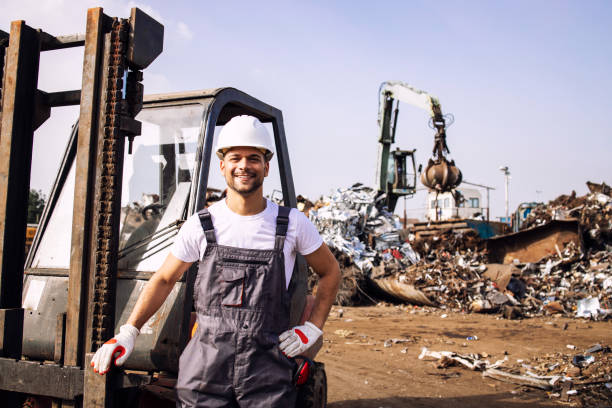
- Operate machinery and equipment such as balers, shredders, compactors, and conveyor systems used in waste processing and recycling operations.
- Process recyclable materials by cleaning, crushing, or transforming them into reusable forms, following environmental and safety guidelines.
- Monitor and maintain waste management systems, including composting units, biogas plants, or landfill equipment, to ensure efficient operation and compliance with regulations.
- Conduct basic repairs and troubleshooting on waste processing equipment to prevent operational downtime and maintain workflow efficiency.
b) Administrative and Support Responsibilities:
- Maintain records of waste collection, recycling output, and disposal activities for reporting to supervisors or regulatory authorities.
- Collaborate with waste management supervisors, environmental officers, and local authorities to implement waste reduction programs and ensure adherence to policies.
- Educate communities or workers on proper waste segregation practices and the importance of recycling to promote sustainable habits.
- Ensure compliance with environmental regulations, safety standards, and local laws related to waste handling, transportation, and disposal.
- Stay updated on advancements in waste management technologies, recycling methods, and government policies to improve operational practices.
Educational Requirements and Study Routes
Eligibility Criteria
| Level | Eligibility |
| Entry-Level (Certificate) | Minimum 8th or 10th standard pass; no specific academic background required, though basic literacy and numeracy are beneficial. |
| Diploma (Optional) | 10th or 12th standard pass, preferably with science or environmental studies for more comprehensive training. |
| Advanced Roles (Further Training) | Certificate or diploma in Waste Management/Environmental Technology; relevant work experience preferred for competitive roles. |
Study Routes
| Route | Focus Area | Duration | Outcome |
| Certificate Programs | Waste Management, Recycling Techniques | 3-6 months | Entry-level roles in waste collection, sorting, or recycling operations. |
| Diploma Programs | Environmental Technology or Waste Management | 1-2 years | Broader scope for positions in government projects, private firms, or supervisory roles. |
| ITI (Industrial Training Institute) Courses | Waste Management Technician, Environmental Support | 6 months-1 year | Practical skills for immediate employment in waste processing and equipment operation. |
| Short-Term Training (Optional) | Solid Waste Management, Hazardous Waste Handling | 1-3 months | Specialized skills for specific areas like e-waste recycling or composting systems. |
Entrance Tests (India):
- No National Entrance Tests: Most certificate, ITI, and diploma programs in waste management do not require national-level entrance exams like NEET, focusing instead on direct or merit-based admissions.
- ITI Entrance Exams: Some state-run ITIs may conduct basic entrance tests or interviews for admission to waste management-related courses.
- Institute-Specific Criteria: Reputed vocational centers may assess candidates based on 10th/12th marks or practical aptitude tests.
- Direct Admissions: Many private and government vocational training centers offer admissions based on educational qualifications and personal interviews.
Skills and Competencies
- Technical Skills: Proficiency in operating waste processing machinery, handling recycling equipment, and understanding waste segregation techniques.
- Problem-Solving Skills: Ability to address issues like equipment malfunctions or improper waste sorting to maintain operational efficiency.
- Physical Skills: Stamina and strength to handle heavy materials, work outdoors, and perform repetitive tasks in varying weather conditions.
- Analytical Skills: Capability to assess waste types, identify recyclable materials, and follow protocols for safe disposal or processing.
- Soft Skills: Communication and teamwork skills to coordinate with supervisors, coworkers, and community members on waste management initiatives.
- Safety Awareness: Knowledge of safety protocols for handling hazardous waste, operating machinery, and preventing health risks in waste environments.
Work Environment
a) Field and Project Settings:
- Government Sector: Roles in municipal corporations, urban local bodies, or public waste management projects (e.g., Swachh Bharat Abhiyan), often with structured benefits.
- Private Sector: Positions with waste management companies, recycling plants, or industrial firms; may involve shift work based on collection or processing schedules.
b) Specialized and Community Settings:
- Government Sector: Work in environmental protection agencies or under national sustainability initiatives like the National Green Tribunal (NGT) directives.
- Private Sector: Roles in specialized recycling firms (e.g., e-waste or plastic recycling) or corporate sustainability programs focusing on zero-waste goals.
Salary Structure (Tentative as of Recent Data in India, Projected to 2025)
Waste Management & Recycling Technician (Field and Support Settings)
| Level | Government Sector (INR Annual) | Private Sector (INR Annual) |
| Entry-Level | ₹1,80,000 - ₹2,50,000 (Pay Scale: Level 1-2 under 7th CPC) | ₹2,00,000 - ₹2,80,000 |
| Mid-Level | ₹2,60,000 - ₹3,50,000 (Pay Scale: Level 3-4) | ₹3,00,000 - ₹4,00,000 |
| Senior-Level | ₹3,60,000 - ₹4,50,000 (Pay Scale: Level 5-6) | ₹4,20,000 - ₹5,50,000 |
Note: Salaries vary based on location (urban vs. rural), experience, specialization (e.g., hazardous waste vs. general recycling), and employer type. Government sector salaries often follow the 7th Central Pay Commission (CPC) scales and include benefits like Dearness Allowance (DA), House Rent Allowance (HRA), pensions, and job security. Private sector earnings can be higher, especially in urban areas or with specialized firms, and may include performance incentives. Data is approximate and subject to change based on economic conditions and policy updates in 2025.
Job Outlook in India
- General Technician Roles: Steady demand due to India’s focus on environmental sustainability, urban cleanliness drives (e.g., Swachh Bharat Abhiyan), and stricter waste management regulations.
- Specialized Technician Roles: Growing need for professionals skilled in e-waste recycling, plastic waste processing, and bio-waste management as industries adopt circular economy practices.
- Emerging Areas: Expansion of waste management in sectors like renewable energy (e.g., biogas production), industrial waste recycling, and smart city waste management systems.
Top Institutes for Relevant Studies in India
| Institute | Program Focus | Location | Sector Affiliation |
| Industrial Training Institutes (ITIs) | Waste Management Technician | Nationwide | Government |
| National Skill Development Corporation (NSDC) Partners | Solid Waste Management under Skill India | Nationwide | Government-Private |
| Government Polytechnic Colleges | Diploma in Environmental Technology | Multiple Locations | Government |
| Central Pollution Control Board (CPCB) Training Programs | Waste Management and Recycling | Multiple Locations | Government |
| MSME Development Institutes | Waste Recycling and Management | Multiple Locations | Government-Private |
| IGNOU (Indira Gandhi National Open University) | Certificate in Waste Management | Multiple Centers | Government |
| Indian Institute of Ecology and Environment | Short Courses in Waste Management | New Delhi | Private |
| TERI School of Advanced Studies | Waste Management and Sustainability | New Delhi | Private |
| National Institute of Urban Affairs (NIUA) | Urban Waste Management Training | New Delhi | Government-Private |
| Private Vocational Training Centers | Recycling and Waste Processing | Multiple Locations | Private |
Note: Admission requirements vary; government institutes and ITIs often have lower fees but may require basic eligibility checks, while private institutes may have higher fees with more flexible admission processes. Check specific institute websites or NSDC portals for course details, eligibility, and application processes.
Career Advancement in India
a) Technical and Supervisory Path:
- Government Sector: Progress to roles like Senior Waste Management Technician or Supervisor in municipal corporations; promotions based on seniority and exams under state/central service rules.
- Private Sector: Move to specialized roles in hazardous waste management, recycling plant operations, or sustainability consulting with additional certifications and experience.
b) Further Education Path:
- Government and Private Sector: Pursue advanced studies (e.g., Diploma or Bachelor’s in Environmental Science or Waste Management) or certifications in circular economy practices to transition into roles like environmental officer or waste management coordinator.
Pros and Cons of the Profession
| Pros | Cons |
| High demand due to increasing focus on sustainability and waste reduction | Physically demanding work involving exposure to unpleasant odors, hazardous materials, and outdoor conditions |
| Opportunities for specialization in areas like e-waste or bio-waste management | Health risks due to handling waste, requiring strict adherence to safety protocols and protective gear |
| Practical, hands-on career with accessible entry through short-term training | Limited decision-making authority; often under supervision of managers or environmental officers |
| Stable employment in government roles with benefits like pensions | Private sector roles may involve irregular hours and temporary contracts |
| Societal impact by contributing to environmental protection and cleanliness | Social stigma associated with working in waste management in some communities |
Emerging Trends in India (Current Perspective, 2025)
- Technology: Adoption of smart waste management systems, including IoT-enabled bins, automated sorting machines, and data analytics for efficient waste collection and processing.
- Public Policy Focus: Government initiatives like Swachh Bharat Abhiyan, Plastic Waste Management Rules, and National Green Tribunal (NGT) directives to enforce sustainable waste practices.
- Sustainability: Emphasis on circular economy models, zero-waste goals, and conversion of waste to energy (e.g., biogas, composting) to reduce landfill dependency.
- Skill Development: Programs under Skill India, NSDC, and partnerships with environmental organizations are standardizing training to meet modern waste management demands.
How to Get Started in India
- Education: Choose a relevant program (Certificate/Diploma/ITI) based on career goals from recognized Indian institutes or NSDC-affiliated centers, considering government (lower cost) or private (higher cost, easier access) options.
- Certifications: Obtain credentials through NSDC, CPCB, or industry-specific programs for specialized skills in waste segregation, recycling, or hazardous waste handling.
- Internships/Apprenticeships: Gain hands-on experience through apprenticeships at municipal waste facilities, recycling plants, or environmental projects to build practical skills.
- Networking: Join associations like the Solid Waste Association of India (SWAI) or participate in environmental workshops for opportunities and exposure.
- Government Job Applications: Apply for roles in municipal corporations, urban local bodies, or environmental departments through notifications or state-level recruitment boards.
- Private Sector Opportunities: Apply to waste management firms (e.g., Waste Ventures India, Saahas Zero Waste), recycling companies, or industrial units through job portals like Naukri.com, Indeed, or direct outreach.
- Stay Updated: Follow advancements via resources from the Ministry of Environment, Forest and Climate Change (MoEFCC), CPCB, and industry reports on trends like smart waste systems and circular economy practices.
Key Employers in India
| Sector | Category | Employers |
| Government Sector | Project Settings | Municipal Corporations, Urban Local Bodies, Swachh Bharat Abhiyan Projects |
| Public Sector Units | Central Pollution Control Board (CPCB), State Pollution Control Boards, Smart City Projects | |
| Private Sector | Development Settings | Waste management firms (Waste Ventures India, Saahas Zero Waste), recycling companies (Attero, E-Parisaraa) |
| Sustainability Settings | Corporate sustainability programs, NGOs focused on waste reduction (e.g., Chintan, Goonj) |
Challenges Specific to India
- Skill Gaps: Limited access to training on advanced waste management technologies, especially in rural areas, hinders professional development.
- Work Conditions: Exposure to hazardous materials, unpleasant environments, and long hours can impact health and work-life balance.
- Regional Disparities: Opportunities and infrastructure are concentrated in urban areas, limiting access in rural or semi-urban regions.
- Policy Implementation Issues: Inconsistent enforcement of waste management regulations and lack of public awareness can complicate on-ground operations.
A career as a Waste Management & Recycling Technician in India offers a vital opportunity to contribute to environmental sustainability and public health, with roles in both government and private sectors. Supported by national initiatives like Swachh Bharat Abhiyan and Skill India, this vocational path is ideal for those passionate about making a tangible impact on waste reduction and recycling. With accessible training, certifications, practical experience, and adaptability to emerging trends like smart waste systems and circular economy practices, individuals can build stable and meaningful careers while supporting India’s journey toward a cleaner and greener future.
Study Route & Eligibility Criteria
Waste Management & Recycling Technician Study Route & Eligibility Criteria
Study route information is not available for this career.
Waste Management & Recycling Technician
Professional
Educational Requirements and Study Routes
Eligibility Criteria
| Level | Eligibility |
| Entry-Level (Certificate) | Minimum 8th or 10th standard pass; no specific academic background required, though basic literacy and numeracy are beneficial. |
| Diploma (Optional) | 10th or 12th standard pass, preferably with science or environmental studies for more comprehensive training. |
| Advanced Roles (Further Training) | Certificate or diploma in Waste Management/Environmental Technology; relevant work experience preferred for competitive roles. |
Study Routes
| Route | Focus Area | Duration | Outcome |
| Certificate Programs | Waste Management, Recycling Techniques | 3-6 months | Entry-level roles in waste collection, sorting, or recycling operations. |
| Diploma Programs | Environmental Technology or Waste Management | 1-2 years | Broader scope for positions in government projects, private firms, or supervisory roles. |
| ITI (Industrial Training Institute) Courses | Waste Management Technician, Environmental Support | 6 months-1 year | Practical skills for immediate employment in waste processing and equipment operation. |
| Short-Term Training (Optional) | Solid Waste Management, Hazardous Waste Handling | 1-3 months | Specialized skills for specific areas like e-waste recycling or composting systems. |
Entrance Tests (India):
- No National Entrance Tests: Most certificate, ITI, and diploma programs in waste management do not require national-level entrance exams like NEET, focusing instead on direct or merit-based admissions.
- ITI Entrance Exams: Some state-run ITIs may conduct basic entrance tests or interviews for admission to waste management-related courses.
- Institute-Specific Criteria: Reputed vocational centers may assess candidates based on 10th/12th marks or practical aptitude tests.
- Direct Admissions: Many private and government vocational training centers offer admissions based on educational qualifications and personal interviews.
Skills and Competencies
- Technical Skills: Proficiency in operating waste processing machinery, handling recycling equipment, and understanding waste segregation techniques.
- Problem-Solving Skills: Ability to address issues like equipment malfunctions or improper waste sorting to maintain operational efficiency.
- Physical Skills: Stamina and strength to handle heavy materials, work outdoors, and perform repetitive tasks in varying weather conditions.
- Analytical Skills: Capability to assess waste types, identify recyclable materials, and follow protocols for safe disposal or processing.
- Soft Skills: Communication and teamwork skills to coordinate with supervisors, coworkers, and community members on waste management initiatives.
- Safety Awareness: Knowledge of safety protocols for handling hazardous waste, operating machinery, and preventing health risks in waste environments.
Work Environment
a) Field and Project Settings:
- Government Sector: Roles in municipal corporations, urban local bodies, or public waste management projects (e.g., Swachh Bharat Abhiyan), often with structured benefits.
- Private Sector: Positions with waste management companies, recycling plants, or industrial firms; may involve shift work based on collection or processing schedules.
b) Specialized and Community Settings:
- Government Sector: Work in environmental protection agencies or under national sustainability initiatives like the National Green Tribunal (NGT) directives.
- Private Sector: Roles in specialized recycling firms (e.g., e-waste or plastic recycling) or corporate sustainability programs focusing on zero-waste goals.
Salary Structure (Tentative as of Recent Data in India, Projected to 2025)
Waste Management & Recycling Technician (Field and Support Settings)
| Level | Government Sector (INR Annual) | Private Sector (INR Annual) |
| Entry-Level | ₹1,80,000 - ₹2,50,000 (Pay Scale: Level 1-2 under 7th CPC) | ₹2,00,000 - ₹2,80,000 |
| Mid-Level | ₹2,60,000 - ₹3,50,000 (Pay Scale: Level 3-4) | ₹3,00,000 - ₹4,00,000 |
| Senior-Level | ₹3,60,000 - ₹4,50,000 (Pay Scale: Level 5-6) | ₹4,20,000 - ₹5,50,000 |
Note: Salaries vary based on location (urban vs. rural), experience, specialization (e.g., hazardous waste vs. general recycling), and employer type. Government sector salaries often follow the 7th Central Pay Commission (CPC) scales and include benefits like Dearness Allowance (DA), House Rent Allowance (HRA), pensions, and job security. Private sector earnings can be higher, especially in urban areas or with specialized firms, and may include performance incentives. Data is approximate and subject to change based on economic conditions and policy updates in 2025.
Job Outlook in India
- General Technician Roles: Steady demand due to India’s focus on environmental sustainability, urban cleanliness drives (e.g., Swachh Bharat Abhiyan), and stricter waste management regulations.
- Specialized Technician Roles: Growing need for professionals skilled in e-waste recycling, plastic waste processing, and bio-waste management as industries adopt circular economy practices.
- Emerging Areas: Expansion of waste management in sectors like renewable energy (e.g., biogas production), industrial waste recycling, and smart city waste management systems.
Top Institutes for Relevant Studies in India
| Institute | Program Focus | Location | Sector Affiliation |
| Industrial Training Institutes (ITIs) | Waste Management Technician | Nationwide | Government |
| National Skill Development Corporation (NSDC) Partners | Solid Waste Management under Skill India | Nationwide | Government-Private |
| Government Polytechnic Colleges | Diploma in Environmental Technology | Multiple Locations | Government |
| Central Pollution Control Board (CPCB) Training Programs | Waste Management and Recycling | Multiple Locations | Government |
| MSME Development Institutes | Waste Recycling and Management | Multiple Locations | Government-Private |
| IGNOU (Indira Gandhi National Open University) | Certificate in Waste Management | Multiple Centers | Government |
| Indian Institute of Ecology and Environment | Short Courses in Waste Management | New Delhi | Private |
| TERI School of Advanced Studies | Waste Management and Sustainability | New Delhi | Private |
| National Institute of Urban Affairs (NIUA) | Urban Waste Management Training | New Delhi | Government-Private |
| Private Vocational Training Centers | Recycling and Waste Processing | Multiple Locations | Private |
Note: Admission requirements vary; government institutes and ITIs often have lower fees but may require basic eligibility checks, while private institutes may have higher fees with more flexible admission processes. Check specific institute websites or NSDC portals for course details, eligibility, and application processes.
Career Advancement in India
a) Technical and Supervisory Path:
- Government Sector: Progress to roles like Senior Waste Management Technician or Supervisor in municipal corporations; promotions based on seniority and exams under state/central service rules.
- Private Sector: Move to specialized roles in hazardous waste management, recycling plant operations, or sustainability consulting with additional certifications and experience.
b) Further Education Path:
- Government and Private Sector: Pursue advanced studies (e.g., Diploma or Bachelor’s in Environmental Science or Waste Management) or certifications in circular economy practices to transition into roles like environmental officer or waste management coordinator.
Pros and Cons of the Profession
| Pros | Cons |
| High demand due to increasing focus on sustainability and waste reduction | Physically demanding work involving exposure to unpleasant odors, hazardous materials, and outdoor conditions |
| Opportunities for specialization in areas like e-waste or bio-waste management | Health risks due to handling waste, requiring strict adherence to safety protocols and protective gear |
| Practical, hands-on career with accessible entry through short-term training | Limited decision-making authority; often under supervision of managers or environmental officers |
| Stable employment in government roles with benefits like pensions | Private sector roles may involve irregular hours and temporary contracts |
| Societal impact by contributing to environmental protection and cleanliness | Social stigma associated with working in waste management in some communities |
Emerging Trends in India (Current Perspective, 2025)
- Technology: Adoption of smart waste management systems, including IoT-enabled bins, automated sorting machines, and data analytics for efficient waste collection and processing.
- Public Policy Focus: Government initiatives like Swachh Bharat Abhiyan, Plastic Waste Management Rules, and National Green Tribunal (NGT) directives to enforce sustainable waste practices.
- Sustainability: Emphasis on circular economy models, zero-waste goals, and conversion of waste to energy (e.g., biogas, composting) to reduce landfill dependency.
- Skill Development: Programs under Skill India, NSDC, and partnerships with environmental organizations are standardizing training to meet modern waste management demands.
How to Get Started in India
- Education: Choose a relevant program (Certificate/Diploma/ITI) based on career goals from recognized Indian institutes or NSDC-affiliated centers, considering government (lower cost) or private (higher cost, easier access) options.
- Certifications: Obtain credentials through NSDC, CPCB, or industry-specific programs for specialized skills in waste segregation, recycling, or hazardous waste handling.
- Internships/Apprenticeships: Gain hands-on experience through apprenticeships at municipal waste facilities, recycling plants, or environmental projects to build practical skills.
- Networking: Join associations like the Solid Waste Association of India (SWAI) or participate in environmental workshops for opportunities and exposure.
- Government Job Applications: Apply for roles in municipal corporations, urban local bodies, or environmental departments through notifications or state-level recruitment boards.
- Private Sector Opportunities: Apply to waste management firms (e.g., Waste Ventures India, Saahas Zero Waste), recycling companies, or industrial units through job portals like Naukri.com, Indeed, or direct outreach.
- Stay Updated: Follow advancements via resources from the Ministry of Environment, Forest and Climate Change (MoEFCC), CPCB, and industry reports on trends like smart waste systems and circular economy practices.
Key Employers in India
| Sector | Category | Employers |
| Government Sector | Project Settings | Municipal Corporations, Urban Local Bodies, Swachh Bharat Abhiyan Projects |
| Public Sector Units | Central Pollution Control Board (CPCB), State Pollution Control Boards, Smart City Projects | |
| Private Sector | Development Settings | Waste management firms (Waste Ventures India, Saahas Zero Waste), recycling companies (Attero, E-Parisaraa) |
| Sustainability Settings | Corporate sustainability programs, NGOs focused on waste reduction (e.g., Chintan, Goonj) |
Challenges Specific to India
- Skill Gaps: Limited access to training on advanced waste management technologies, especially in rural areas, hinders professional development.
- Work Conditions: Exposure to hazardous materials, unpleasant environments, and long hours can impact health and work-life balance.
- Regional Disparities: Opportunities and infrastructure are concentrated in urban areas, limiting access in rural or semi-urban regions.
- Policy Implementation Issues: Inconsistent enforcement of waste management regulations and lack of public awareness can complicate on-ground operations.
A career as a Waste Management & Recycling Technician in India offers a vital opportunity to contribute to environmental sustainability and public health, with roles in both government and private sectors. Supported by national initiatives like Swachh Bharat Abhiyan and Skill India, this vocational path is ideal for those passionate about making a tangible impact on waste reduction and recycling. With accessible training, certifications, practical experience, and adaptability to emerging trends like smart waste systems and circular economy practices, individuals can build stable and meaningful careers while supporting India’s journey toward a cleaner and greener future.