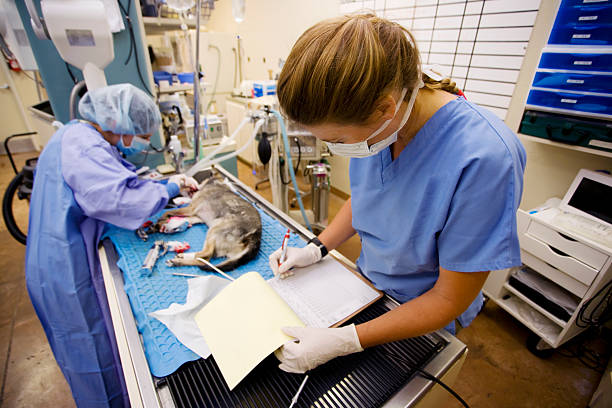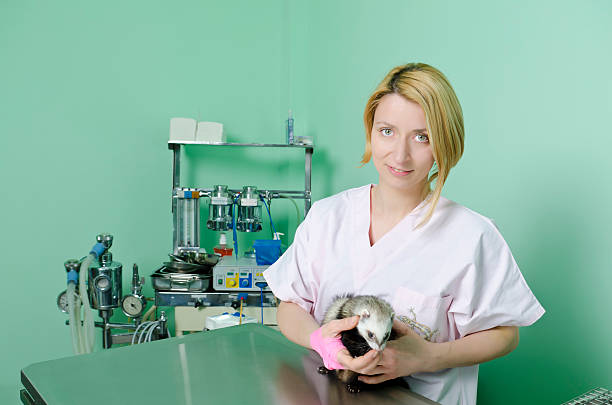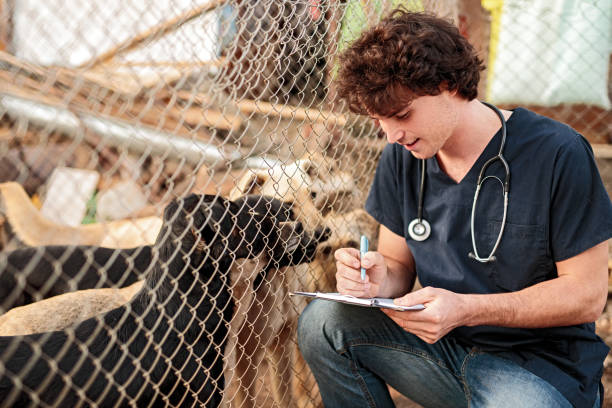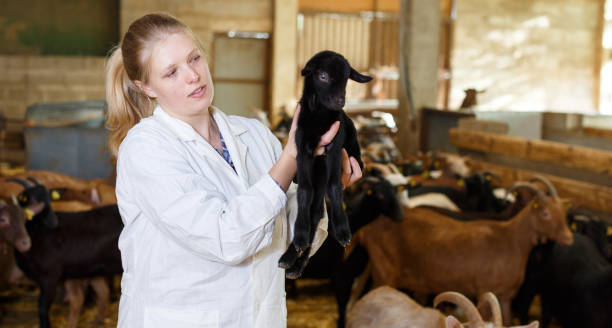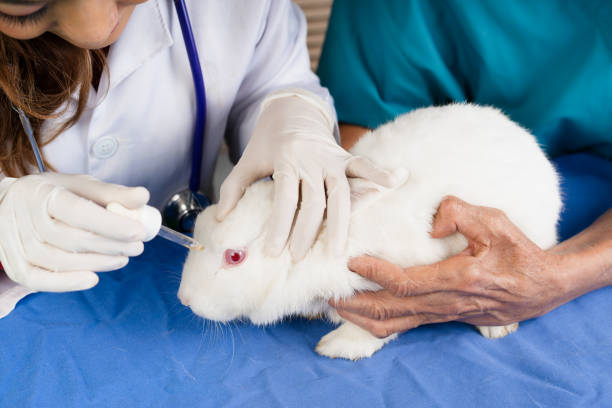
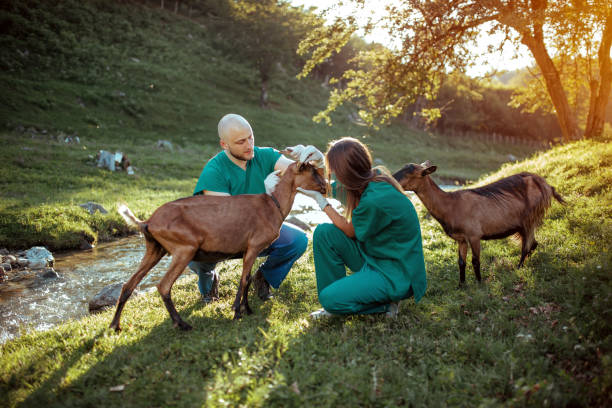
Wildlife/Zoo Veterinarians are medically trained professionals tasked with diagnosing, treating, and preventing diseases in wild and captive animals, ranging from exotic birds and mammals to reptiles and amphibians. Their role includes performing surgeries, managing breeding programs, and contributing to conservation efforts to protect endangered species. They combine expertise in veterinary medicine, wildlife biology, and ecology, working in diverse settings such as zoos, national parks, research facilities, and field environments. As key contributors to animal health and biodiversity preservation, Wildlife/Zoo Veterinarians drive progress in a landscape increasingly focused on species conservation, zoonotic disease control, and ethical animal care.
- Medical Care and Treatment
- Diagnose and treat illnesses, injuries, and infections in wild and captive animals using clinical examinations and diagnostic tools.
- Perform surgeries, administer vaccinations, and provide emergency care to ensure animal health.
- Preventive Health Management
- Develop and implement vaccination and parasite control programs to prevent disease outbreaks in zoo or wildlife populations.
- Monitor animal health through regular check-ups and nutritional assessments.
- Conservation and Breeding Programs
- Support conservation efforts by managing breeding programs for endangered species in captivity.
- Collaborate on reintroduction programs to release rehabilitated animals into the wild.
- Wildlife Rehabilitation
- Treat and rehabilitate injured or orphaned wildlife with the goal of returning them to their natural habitats.
- Assess the fitness of animals for release based on health and behavioral criteria.
- Disease Surveillance and Research
- Investigate and manage zoonotic diseases that can transfer between animals and humans.
- Conduct research on wildlife diseases to improve treatment methods and inform conservation strategies.
- Fieldwork and Emergency Response
- Provide medical care in remote field settings during wildlife rescue operations or natural disasters.
- Participate in tranquilization and relocation efforts for animals in conflict zones or during population management.
- Education and Public Outreach
- Educate zoo staff, conservationists, and the public about wildlife health and the importance of conservation.
- Train veterinary students or interns in wildlife medicine techniques and protocols.
- Regulatory and Ethical Compliance
- Ensure compliance with animal welfare laws, zoo accreditation standards, and wildlife protection regulations.
- Advocate for humane treatment and ethical handling of animals in captivity and the wild.
| Route | Steps |
| Route 1 | 1. 10+2 in Science stream (Biology, Physics, Chemistry required) |
| 2. Bachelor of Veterinary Science and Animal Husbandry (B.V.Sc. & A.H.) (5-5.5 years) | |
| 3. Start as a Junior Wildlife/Zoo Veterinarian in zoos or rehabilitation centers | |
| Route 2 | 1. 10+2 in Science stream (Biology, Physics, Chemistry required) |
| 2. Bachelor of Veterinary Science and Animal Husbandry (B.V.Sc. & A.H.) (5-5.5 years) | |
| 3. Master of Veterinary Science (M.V.Sc.) in Wildlife Health or related field (2 years) | |
| 4. Work as a Wildlife/Zoo Veterinarian in zoos, sanctuaries, or conservation roles | |
| Route 3 | 1. 10+2 in Science stream (Biology, Physics, Chemistry required) |
| 2. Bachelor of Veterinary Science and Animal Husbandry (B.V.Sc. & A.H.) (5-5.5 years) | |
| 3. Master of Veterinary Science (M.V.Sc.) in Wildlife Health or related field (2 years) | |
| 4. Certification or Short Courses in Wildlife Medicine (6 months-1 year) | |
| 5. Pursue Roles as a Senior Wildlife/Zoo Veterinarian or Consultant | |
| Route 4 | 1. 10+2 in Science stream (Biology, Physics, Chemistry required) |
| 2. Bachelor of Veterinary Science and Animal Husbandry (B.V.Sc. & A.H.) (5-5.5 years) | |
| 3. Master of Veterinary Science (M.V.Sc.) in Wildlife Health or related field (2 years) | |
| 4. Ph.D. in Wildlife Veterinary Medicine or related field (3-5 years) | |
| 5. Serve as a Lead Researcher, Professor, or Wildlife Veterinary Expert |
- Participation in internships at zoos, wildlife sanctuaries, or rehabilitation centers during or after academic programs for hands-on experience.
- Involvement in student-led wildlife health projects or veterinary clinics for practical exposure.
- Assisting senior Wildlife/Zoo Veterinarians in surgeries or disease management for real-world insights.
- Observerships at conservation organizations or national parks for advanced learning and mentorship.
- Participation in veterinary conferences or workshops for skill development and visibility.
- Training through collaborative projects like wildlife rescue or breeding programs for diverse exposure.
- Exposure to industry-standard practices like anesthesia for large animals or disease diagnostics.
- Project-based learning focusing on varied areas like exotic animal care or zoonotic disease control.
- Community wildlife rescue programs to build practical experience in local animal health.
- International wildlife veterinary training programs or online courses for exposure to global challenges.
- Bachelor of Veterinary Science and Animal Husbandry (B.V.Sc. & A.H.).
- Master of Veterinary Science (M.V.Sc.) in Wildlife Health and Management.
- Ph.D. in Wildlife Veterinary Medicine or related field.
- Diploma in Wildlife Medicine or Zoo Animal Care.
- Specialization in Exotic Animal Medicine.
- Certification in Wildlife Rehabilitation.
- Training in Zoonotic Disease Management.
- Workshops on Wildlife Anesthesia and Surgery.
- Short Courses in Conservation Veterinary Medicine.
- Advanced Training in Zoo Animal Nutrition and Husbandry.
| Institute | Course/Program | Official Link |
| Indian Veterinary Research Institute (IVRI), Izatnagar | B.V.Sc., M.V.Sc., Ph.D. in Wildlife Health | https://www.ivri.nic.in/ |
| Guru Angad Dev Veterinary and Animal Sciences University (GADVASU), Ludhiana | B.V.Sc., M.V.Sc., Ph.D. in Veterinary Medicine | https://www.gadvasu.in/ |
| Tamil Nadu Veterinary and Animal Sciences University (TANUVAS), Chennai | B.V.Sc., M.V.Sc., Ph.D. in Wildlife Health | https://www.tanuvas.ac.in/ |
| Rajasthan University of Veterinary and Animal Sciences (RAJUVAS), Bikaner | B.V.Sc., M.V.Sc., Ph.D. in Veterinary Medicine | https://rajuvas.org/ |
| Maharashtra Animal and Fishery Sciences University (MAFSU), Nagpur | B.V.Sc., M.V.Sc., Ph.D. in Veterinary Medicine | https://www.mafsu.in/ |
| Kerala Veterinary and Animal Sciences University (KVASU), Wayanad | B.V.Sc., M.V.Sc., Ph.D. in Wildlife Health | https://www.kvasu.ac.in/ |
| West Bengal University of Animal and Fishery Sciences (WBUAFS), Kolkata | B.V.Sc., M.V.Sc., Ph.D. in Veterinary Medicine | https://wbuafscl.ac.in/ |
| Lala Lajpat Rai University of Veterinary and Animal Sciences (LUVAS), Hisar | B.V.Sc., M.V.Sc., Ph.D. in Veterinary Medicine | https://www.luvas.edu.in/ |
| Wildlife Institute of India (WII), Dehradun | M.Sc., Ph.D. in Wildlife Science (Veterinary Focus) | https://www.wii.gov.in/ |
| Assam Agricultural University (AAU), Jorhat | B.V.Sc., M.V.Sc., Ph.D. in Veterinary Medicine | https://www.aau.ac.in/ |
| Institution | Course | Country | Official Link |
| Cornell University, Ithaca | Doctor of Veterinary Medicine (DVM), Wildlife Focus | USA | https://www.cornell.edu/ |
| University of California, Davis | DVM, M.Sc., Ph.D. in Veterinary Medicine (Wildlife) | USA | https://www.ucdavis.edu/ |
| Royal Veterinary College (RVC), London | M.Sc., Ph.D. in Wildlife Health | UK | https://www.rvc.ac.uk/ |
| University of Guelph, Guelph | DVM, M.Sc., Ph.D. in Veterinary Medicine (Wildlife) | Canada | https://www.uoguelph.ca/ |
| University of Melbourne, Melbourne | DVM, M.Sc., Ph.D. in Veterinary Medicine (Wildlife) | Australia | https://www.unimelb.edu.au/ |
| Utrecht University, Utrecht | M.Sc., Ph.D. in Veterinary Medicine (Wildlife Focus) | Netherlands | https://www.uu.nl/ |
| University of Edinburgh, Edinburgh | M.Sc., Ph.D. in Wildlife Veterinary Medicine | UK | https://www.ed.ac.uk/ |
| Texas A&M University, College Station | DVM, M.Sc., Ph.D. in Veterinary Medicine (Wildlife) | USA | https://www.tamu.edu/ |
| University of Sydney, Sydney | DVM, M.Sc., Ph.D. in Veterinary Medicine (Wildlife) | Australia | https://www.sydney.edu.au/ |
| Massey University, Palmerston North | M.Sc., Ph.D. in Veterinary Medicine (Wildlife Focus) | New Zealand | https://www.massey.ac.nz/ |
India:
- NEET (National Eligibility cum Entrance Test): Mandatory for admission to B.V.Sc. & A.H. programs in many states and institutions since 2020.
- ICAR AIEEA (All India Entrance Examination for Admission): For admission to undergraduate and postgraduate programs in veterinary sciences at ICAR-affiliated institutes.
- State-Level Veterinary Entrance Exams: Conducted by state veterinary universities like TANUVAS or RAJUVAS for relevant programs.
- University-Specific Exams: Some institutes like GADVASU or IVRI conduct their own entrance tests for veterinary programs.
- UGC NET (University Grants Commission National Eligibility Test): For research fellowships and Ph.D. programs in wildlife veterinary medicine.
International:
- SAT (Scholastic Assessment Test): Required for undergraduate admissions in the USA and some other countries.
- ACT (American College Testing): Alternative to SAT for undergraduate admissions in the USA.
- GRE (Graduate Record Examination): Required for postgraduate and Ph.D. programs in veterinary medicine globally (for some programs).
- VCAT (Veterinary College Admission Test): Used by some veterinary schools in the USA and Canada (now largely replaced by GRE in many institutions).
- TOEFL (Test of English as a Foreign Language): Minimum score of 80-100 required for non-native speakers applying to programs in English-speaking countries.
- IELTS (International English Language Testing System): Minimum score of 6.5-7.0 required for admission to universities in the UK, Australia, and other English-speaking regions.
Aspiring Wildlife/Zoo Veterinarian → Junior Wildlife/Zoo Veterinarian → Wildlife/Zoo Veterinarian → Senior Wildlife/Zoo Veterinarian → Wildlife Veterinary Specialist → Wildlife Health Program Director → Wildlife Veterinary Consultant → Wildlife Policy Advisor → Professor → Global Wildlife Veterinary Expert
- Zoos and aquariums for managing health of captive animals.
- Wildlife rehabilitation centers for treating injured or orphaned animals.
- Conservation organizations for supporting endangered species health programs.
- National parks and reserves for monitoring wildlife health in natural habitats.
- Government agencies for wildlife disease surveillance and policy implementation.
- Veterinary hospitals with exotic animal departments for specialized care.
- Non-profit organizations for advocating wildlife welfare and rescue operations.
- Research institutions for studying wildlife diseases and health management.
- International wildlife bodies for global conservation and health initiatives.
- Private consultancies for advising on wildlife and zoo animal care.
| India | International |
| Wildlife Institute of India (WII), Dehradun | World Wildlife Fund (WWF), Global |
| Zoological Survey of India (ZSI), Kolkata | International Union for Conservation of Nature (IUCN), Global |
| Wildlife SOS, India | San Diego Zoo Wildlife Alliance, USA |
| Bombay Natural History Society (BNHS), Mumbai | Wildlife Conservation Society (WCS), USA |
| Ministry of Environment, Forest and Climate Change, India | Smithsonian’s National Zoo, USA |
| State Forest and Wildlife Departments | Zoological Society of London (ZSL), UK |
| National Zoological Park, Delhi | Australian Zoo, Australia |
| Indian Veterinary Research Institute (IVRI), Izatnagar | European Association of Zoos and Aquaria (EAZA), Europe |
| Private Zoos and Sanctuaries | Association of Zoos and Aquariums (AZA), USA |
| Local Wildlife NGOs | World Organisation for Animal Health (OIE), Global |
| Pros | Cons |
| Opportunity to contribute to wildlife conservation and animal welfare through medical care | Physically demanding work, often in remote or hazardous environments |
| Potential for societal impact by protecting endangered species and preventing zoonotic diseases | High emotional stress from dealing with injured, sick, or dying animals |
| Rewarding impact through saving lives and rehabilitating wildlife for release | Risk of injury or disease transmission while handling wild or exotic animals |
| Diverse career paths across zoos, conservation, research, and policy | Long and irregular hours, especially during emergencies or field operations |
| Strong potential for growth with increasing global focus on biodiversity and wildlife health | Limited job openings in specialized wildlife veterinary roles compared to domestic animal care |
- Growing adoption of advanced diagnostics like telemedicine and portable imaging for wildlife care.
- Rising demand for Wildlife/Zoo Veterinarians due to increasing threats to biodiversity and zoonotic diseases.
- Advancements in veterinary technology for minimally invasive surgeries and remote monitoring.
- Heightened focus on conservation medicine to address health challenges in endangered species.
- Expansion of interdisciplinary approaches combining veterinary care with ecology and genetics.
- Development of specialized fields like wildlife epidemiology or exotic animal orthopedics.
- Increased emphasis on global wildlife health networks to combat pandemics and disease spread.
- Enhanced focus on ethical standards and welfare in zoo and captive animal management.
- Growing need for continuous skill development to master emerging veterinary technologies.
- Focus on One Health initiatives integrating wildlife, human, and environmental health.
| Career Level | India (₹ per annum) | International (USD per annum) |
| Junior Wildlife/Zoo Veterinarian (Early Career) | 4,00,000 - 8,00,000 | 50,000 - 70,000 |
| Wildlife/Zoo Veterinarian (Mid-Career) | 8,00,000 - 15,00,000 | 70,000 - 100,000 |
| Senior Wildlife/Zoo Veterinarian (Established) | 15,00,000 - 25,00,000 | 100,000 - 130,000 |
| Wildlife Veterinary Specialist/Program Director | 25,00,000 - 35,00,000 | 130,000 - 160,000 |
| Professor/Global Wildlife Veterinary Expert | 35,00,000+ | 160,000+ |
Note: Salaries vary widely based on location, experience, sector (government vs. private vs. conservation), and region. International figures are approximate and depend on the country and funding. High-profile roles in international zoos or conservation bodies often yield significantly higher earnings based on impact and demand.
- Veterinary Practice Management Software like AVImark for managing animal health records.
- Diagnostic Imaging Software for analyzing X-rays or ultrasounds of exotic animals.
- Wildlife Tracking Software for monitoring health and movement via GPS or radio telemetry.
- Telemedicine Platforms for remote consultation on wildlife cases in field settings.
- Disease Surveillance Tools for tracking zoonotic or epidemic risks in animal populations.
- Data Visualization Software like Tableau for presenting health trends in wildlife.
- Research Management Tools like EndNote for organizing veterinary literature.
- Anaesthesia Monitoring Software for ensuring safety during wildlife procedures.
- Zoo Management Systems for coordinating animal care and breeding programs.
- Collaboration Platforms like Microsoft Teams for team communication in veterinary settings.
- Indian Veterinary Association (IVA), India.
- American Association of Zoo Veterinarians (AAZV), USA.
- European Association of Zoo and Wildlife Veterinarians (EAZWV), Europe.
- World Veterinary Association (WVA), Global.
- Association of Zoos and Aquariums (AZA), USA.
- Australian Veterinary Association (AVA), Australia.
- International Union for Conservation of Nature (IUCN), Global.
- Veterinary Council of India (VCI), India.
- World Organisation for Animal Health (OIE), Global.
- Wildlife Disease Association (WDA), Global.
- Nandini Velho (Contemporary, India): Wildlife Veterinarian since the 2000s. Known for work on wildlife health and conservation in Northeast India. Her vision shapes regional efforts. Her impact influences local biodiversity.
- Barbara Wolfe (Contemporary, USA): Zoo Veterinarian since the 1990s. Known for leadership in zoo animal medicine and conservation at Cornell University. Her expertise drives wildlife care. Her contributions influence veterinary standards.
- Sonia Hernandez (Contemporary, USA): Wildlife Veterinarian since the 2000s. Known for research on wildlife disease ecology at the University of Georgia. Her creativity fosters health solutions. Her work impacts conservation medicine.
- Chris Walzer (Contemporary, Austria): Wildlife Veterinarian since the 1990s. Known for work on wildlife health and conservation at the University of Veterinary Medicine, Vienna. His leadership drives global efforts. His contributions influence policy.
- Ian Duncan (Contemporary, UK): Zoo Veterinarian since the 1980s. Known for advancements in exotic animal care and welfare at the Zoological Society of London. His vision shapes zoo medicine. His impact influences ethical standards.
- Mike Cranfield (Contemporary, USA): Wildlife Veterinarian since the 1980s. Known for work on mountain gorilla health with the Gorilla Doctors program. His expertise fosters conservation. His contributions influence primate care.
- Sharon Deem (Contemporary, USA): Wildlife Veterinarian since the 1990s. Known for contributions to One Health and wildlife disease research at Saint Louis Zoo. Her creativity drives interdisciplinary approaches. Her work impacts global health.
- Khyne U Mar (Contemporary, Myanmar/UK): Wildlife Veterinarian since the 2000s. Known for work on elephant health and conservation in Asia. Her leadership fosters welfare. Her contributions influence regional wildlife care.
- Alex Tinson (Contemporary, Australia): Zoo Veterinarian since the 1980s. Known for pioneering reproductive technologies for exotic species at Taronga Zoo. His vision shapes breeding programs. His impact influences conservation.
- Gladys Kalema-Zikusoka (Contemporary, Uganda): Wildlife Veterinarian since the 1990s. Known for founding Conservation Through Public Health and gorilla health programs. Her expertise drives One Health. Her contributions influence African wildlife care.
- Build a strong foundation in veterinary science and biology to handle complex wildlife health challenges.
- Seek early exposure to zoos or wildlife centers to confirm interest in a wildlife veterinary career.
- Prepare thoroughly for entrance exams like NEET or ICAR AIEEA to secure admission to top programs.
- Pursue training in specialties like exotic animal medicine or wildlife rehabilitation for versatility.
- Stay updated on wildlife health trends by attending conferences and following veterinary journals.
- Develop practical skills through consistent participation in internships or clinical rotations.
- Engage in community or local wildlife rescue programs to build real-world health management experience.
- Join professional associations like AAZV or EAZWV for networking and resources.
- Work on problem-solving skills to manage health challenges in diverse and unpredictable species.
- Explore international wildlife veterinary opportunities for exposure to diverse animal care practices.
- Volunteer with local zoos or sanctuaries for practical industry exposure.
- Cultivate adaptability to handle varying field conditions and unexpected medical emergencies.
- Attend continuing education programs to stay abreast of new veterinary technologies.
- Build a network with veterinarians, conservationists, and zoo professionals for collaborative opportunities.
- Develop persistence to manage the uncertainty of wildlife cases and conservation barriers.
- Balance medical pursuits with passion for wildlife to adapt to demanding work environments.
A career as a Wildlife/Zoo Veterinarian offers a unique opportunity to contribute to animal health, conservation, and biodiversity by navigating complex medical challenges for diverse species. From conducting transformative health interventions to managing conservation programs and advancing welfare standards, Wildlife/Zoo Veterinarians play a pivotal role in veterinary and environmental ecosystems. This field combines medical expertise, analytical skill, and a commitment to solving critical challenges, offering diverse paths in zoos, conservation, research, and beyond. For those passionate about wildlife, adapting to dynamic industry trends, and addressing global needs in an era of rising environmental concerns, a career as a Wildlife/Zoo Veterinarian provides an intellectually stimulating and professionally rewarding journey with the potential to make significant contributions to society by advancing the science and application of wildlife veterinary knowledge worldwide.