
 Aerobiologist
Explore various career paths and opportunities in Aerobiologist
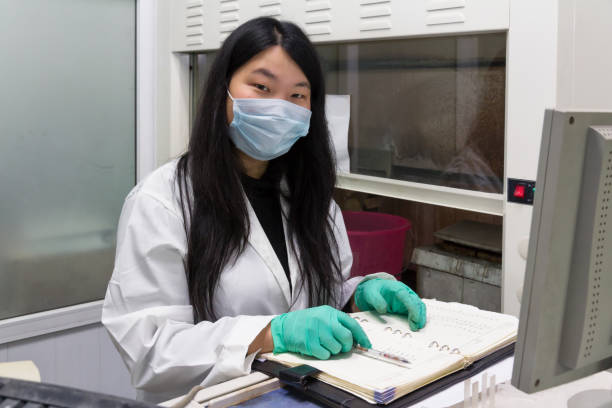
Scholars conduct in-depth research on airborne biological particles, contributing to scientific knowledge. They build expertise. Their work advances the field. They transition to independent research.

Early-career researchers work in labs or field settings, assisting senior scientists in data collection and analysis. They establish practical skills. Their contributions support larger projects. They build professional experience.
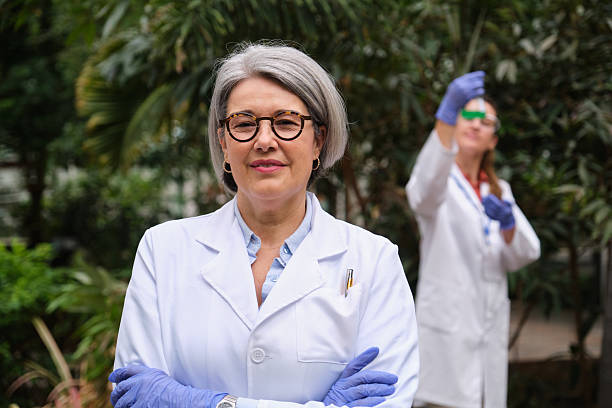
Experienced scientists oversee research teams, design large-scale studies, and mentor junior researchers. They provide scientific leadership. Their vision shapes research direction. They are crucial for field advancement.
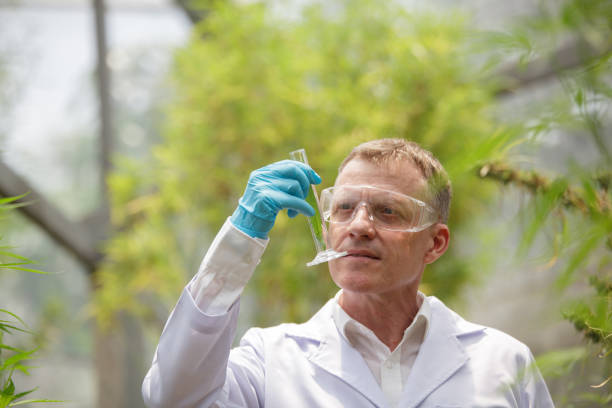
Top-level aerobiologists direct research programs or academic departments, combining expertise with teaching and administrative roles. They shape institutional goals. Their influence advances education. They drive innovation in aerobiology.
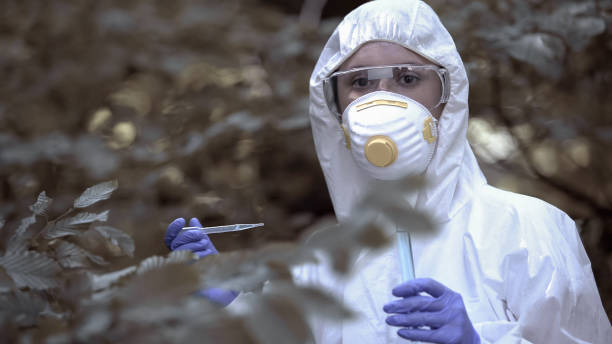
Specialists focus on airborne pathogens and allergens, advising health agencies on disease prevention. They address public health needs. Their work protects populations. They are vital for outbreak management.
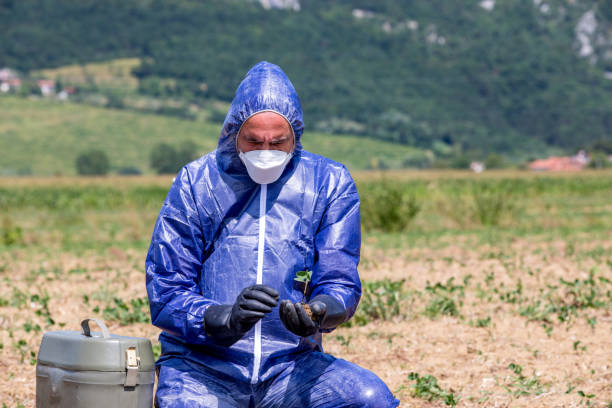
Professionals research airborne plant pathogens, supporting crop protection and food security. They focus on agricultural impacts. Their expertise aids farmers. They are essential for sustainable agriculture.