 Agricultural Economist
Leading Professions
Explore various career paths and opportunities in Agricultural Economist
Agricultural Economist
Explore various career paths and opportunities in Agricultural Economist
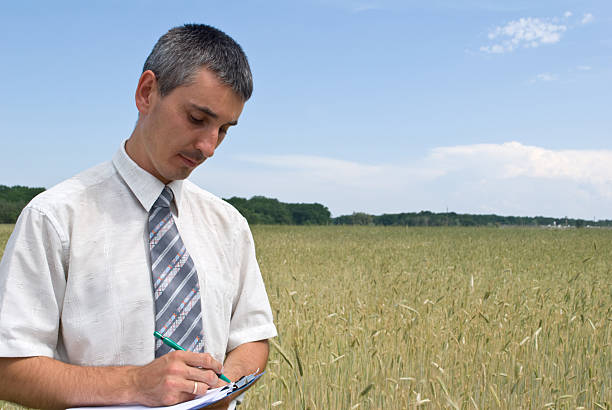
• Agricultural Economists conduct comprehensive economic research and analysis focusing on agriculture production systems, commodity markets, pricing, and policy impacts. They apply economic theories and quantitative methods to solve real-world agricultural problems, helping to increase productivity, improve market efficiency, and support sustainable rural development. Their work influences government policies, business strategies, and farming practices at local, national, and international levels.
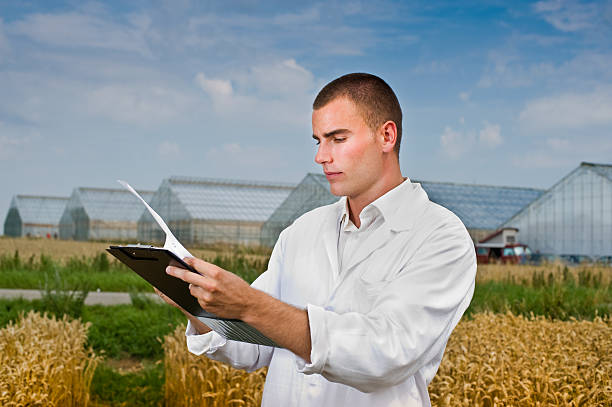
• Policy Analysts specialize in assessing the effectiveness and economic impact of agricultural and rural development policies. They evaluate subsidy programs, trade regulations, environmental policies, and food security initiatives. By providing evidence-based recommendations, they assist governments, NGOs, and international bodies in designing policies that foster sustainable agriculture, equitable resource distribution, and rural welfare.
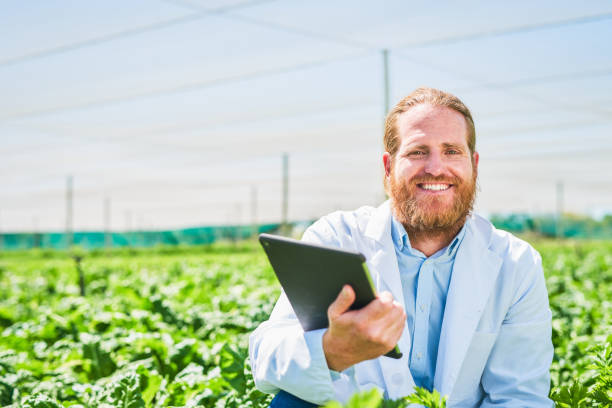
Agribusiness Consultants provide strategic economic advice to companies involved in agricultural production, processing, distribution, and marketing. They analyze market trends, risk factors, and investment opportunities to help agribusinesses optimize operations, enhance profitability, and adapt to changing economic and regulatory environments. Their expertise bridges economics and business management within the agricultural sector.
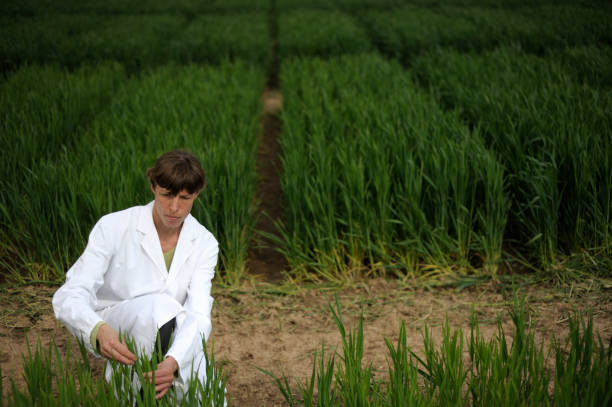
• Research Scientists in agricultural economics lead interdisciplinary research projects that integrate economic analysis with agricultural science, environmental studies, and technology. They develop new economic models, conduct field experiments, and publish findings that contribute to improved agricultural practices, resource management, and policy formulation. They often work in universities, research institutes, or international organizations.
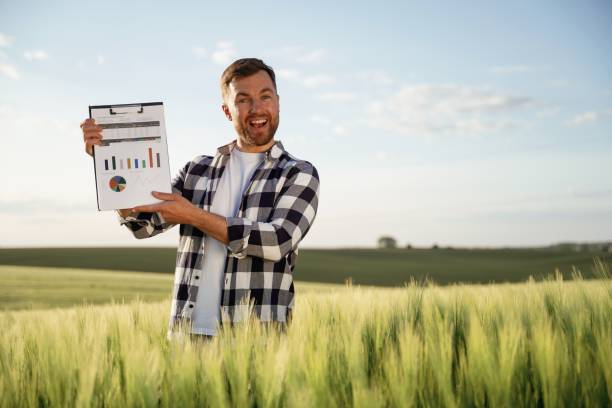
• Market Analysts focus on the study of agricultural commodity markets, supply chains, and price dynamics. They use statistical tools and economic models to forecast market trends, assess risks, and provide actionable insights to farmers, traders, exporters, and policymakers. Their analyses support decision-making related to production planning, marketing strategies, and trade negotiations.
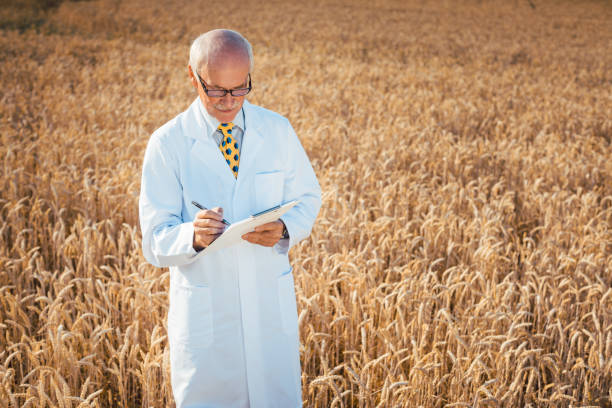
• These professionals design and implement economic development programs aimed at improving living standards, infrastructure, and economic opportunities in rural areas. They conduct socio-economic assessments, evaluate the impact of development projects, and work closely with communities to promote sustainable agriculture, diversification of rural economies, and poverty alleviation.
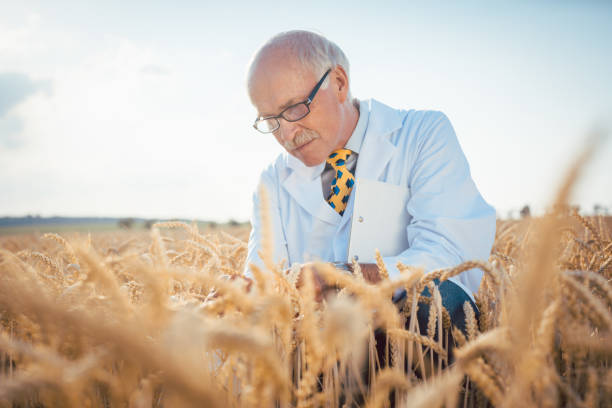
• Environmental Economists study the economic implications of agricultural practices on natural resources and ecosystems. They evaluate the costs and benefits of conservation measures, climate change mitigation strategies, and sustainable farming methods. Their work informs policy decisions and market incentives that balance agricultural productivity with environmental stewardship.

Data Analysts apply big data techniques, machine learning, and econometrics to analyze large-scale agricultural datasets. They identify patterns, optimize resource use, and support policy and business decisions through predictive analytics. Their role is increasingly vital as agriculture adopts digital technologies and precision farming.
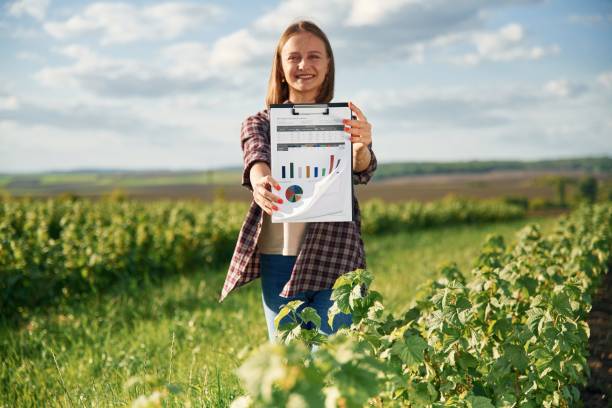
These specialists focus on financial products and services tailored for the agriculture sector, including credit, insurance, and investment solutions. They assess financial risks, design microfinance programs, and facilitate access to capital for farmers and agribusinesses, thereby supporting economic stability and growth in rural areas.

Extension Economists work directly with farmers and rural communities to translate economic research into practical advice and training. They help stakeholders adopt profitable and sustainable agricultural practices by providing economic analysis and guidance adapted to local conditions, thus bridging the gap between research and field-level application.