 Agrobiologist
Leading Professions
Explore various career paths and opportunities in Agrobiologist
Agrobiologist
Explore various career paths and opportunities in Agrobiologist
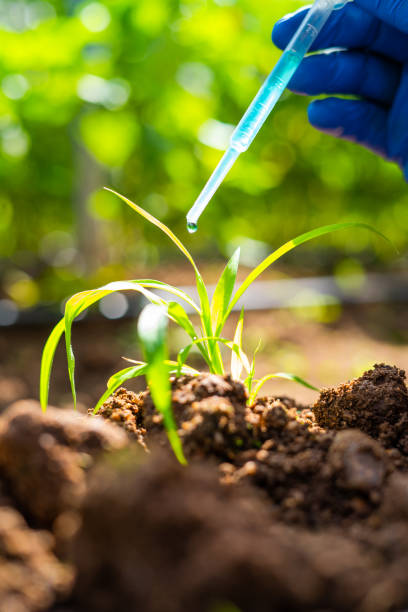
Entry-level individuals undergo foundational training in agricultural biology under supervision. They acquire practical skills through lab and field exposure. Their education establishes a base for understanding biological processes in agriculture. They begin by assisting with fundamental tasks like sample collection while learning research guidelines.
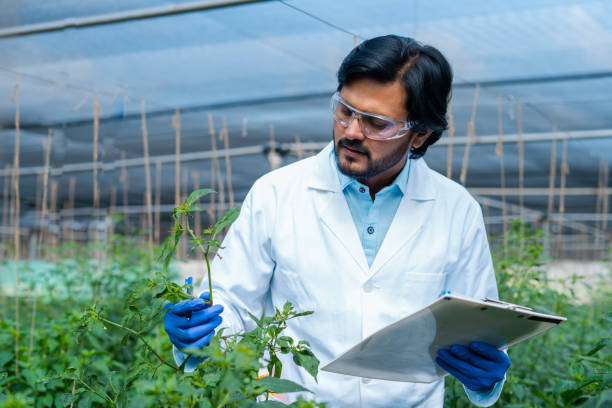
Early-career professionals conduct basic research with increasing autonomy. They hone technical skills in plant biology and data analysis while ensuring research accuracy. Their practice builds experience through regular experiments. They prepare for advanced roles by mastering core processes and adhering to scientific protocols in controlled environments.

Experienced professionals manage complex research projects with high accuracy, using advanced biotechnological tools. They offer technical expertise in developing crop solutions for agriculture. Their skills improve precision by mentoring junior staff and resolving scientific challenges. They are vital for research success, often leading initiatives during critical projects.
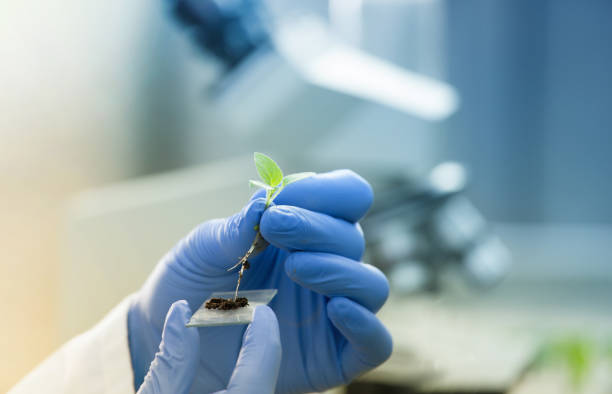
Specialists oversee advanced studies in agricultural biology with exceptional competence. They integrate deep scientific knowledge with expertise in genetic engineering for impactful solutions. Their proficiency aids detailed research through close collaboration with institutes. They are central to innovations, often focusing on areas like pest resistance or soil health.

Senior professionals lead specialized biotechnology projects, ensuring scientific excellence. They provide leadership by establishing research protocols and managing high-stakes experiments. Their contributions enhance efficiency through training and quality assurance of research methods. They are essential for advancing biotechnology, often bridging communication between labs and industry.

Leaders oversee large-scale research programs or teams in academic or industry settings. They provide strategic oversight by managing budgets and timelines aligned with research goals. Their vision fosters growth by integrating emerging biotechnologies into projects. They are critical for advancing scientific standards, preparing initiatives to meet evolving agricultural demands.

Top-tier administrators manage entire research departments in universities or agribusinesses. They handle funding, staffing, and project direction while ensuring regulatory compliance. Their leadership integrates research services into broader systems. They play a key role in policy development, championing innovation, and driving advancements in agricultural biology.
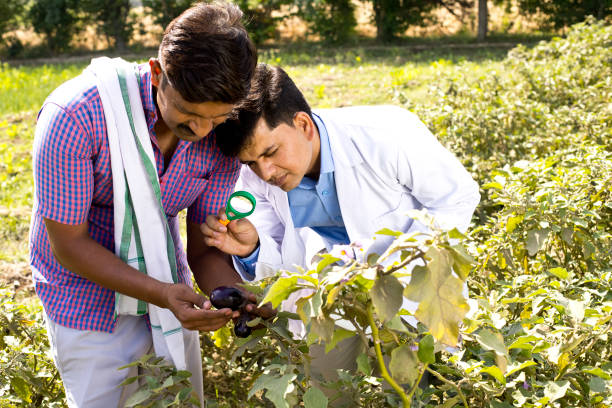
Expert advisors offer specialized guidance on biological solutions or system implementation to agriculture and biotech entities. They utilize extensive experience to enhance research accuracy and efficiency on a consultancy basis. Their insights shape industry trends by recommending advanced tools like gene editing. They are pivotal in advancing standards, often collaborating globally to improve agricultural biotechnology.