 Aquaculturist
Leading Professions
Explore various career paths and opportunities in Aquaculturist
Aquaculturist
Explore various career paths and opportunities in Aquaculturist

Early-career individuals train in academic or aquaculture settings to gain experience. They build skills in aquatic farming while seeking opportunities. Their practice builds exposure through minor projects. They prepare for advanced roles by mastering basics.
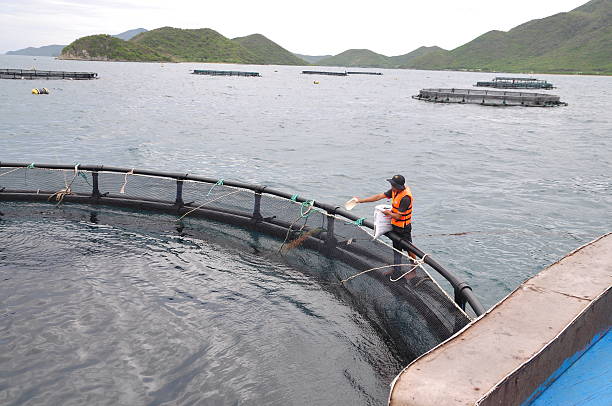
Professionals assist in farm management or research under guidance with growing competence. They offer support in fieldwork and learn from seniors. Their skills improve through consistent practice. They are vital for farm support, often in entry-level roles.
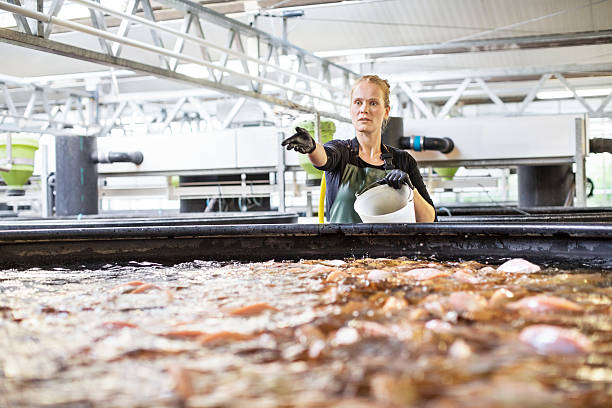
Specialists conduct independent farm management or aquatic studies with notable competence. They integrate science with farming needs for impactful results. Their proficiency aids production through collaboration. They are central to aquaculture operations.

Senior professionals lead complex farm projects or disease control with expertise. They provide versatility by adapting to diverse aquatic needs for success. Their contributions enhance production outcomes. They are essential for farm progress.
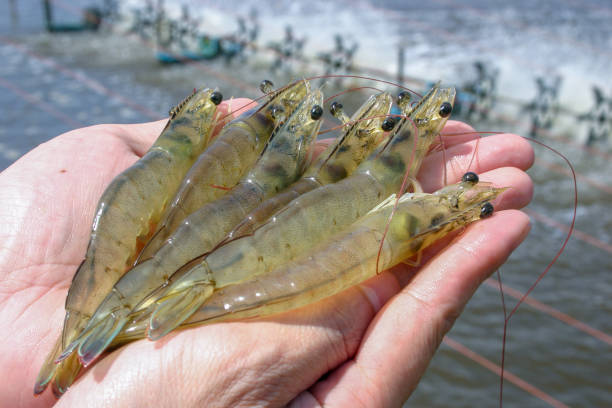
Leaders oversee species development or disease research with deep knowledge. They provide scientific oversight by aligning with production goals. Their insight fosters innovation by guiding protocols. They are critical for research efficiency.
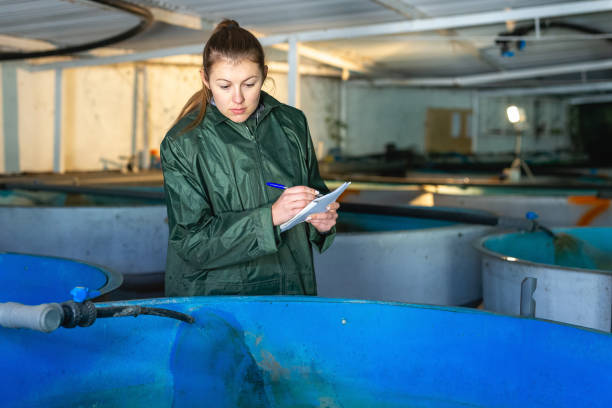
Top-tier professionals manage large-scale aquatic operations or sustainability initiatives. They handle intricate projects while ensuring breakthroughs. Their leadership adds value to aquaculture. They play a key role in systemic advancement.

Experts advise farms or organizations on aquatic cultivation strategies or policies. They work on integrating science into practice, often in advisory roles. Their skills are vital for systemic impact. They often lead transformative initiatives.
Senior professionals shape agricultural standards or seafood trade policies for governments or organizations. They use specialized skills to enhance regulatory efficacy. Their work is crucial in policy innovation. They contribute significantly to industry development.

Experts focus on teaching and research in academic settings related to aquaculture science. Their strategic skills are vital for shaping future aquaculturists. They work on integrating research into broader systems. They drive educational movements.

Visionaries establish new cultivation paradigms or technologies for multinational impact. They use advanced expertise to redefine aquatic farming. Their leadership fosters global standards. Their contributions shape worldwide policies.