
 Biomedical Engineer
Explore various career paths and opportunities in Biomedical Engineer
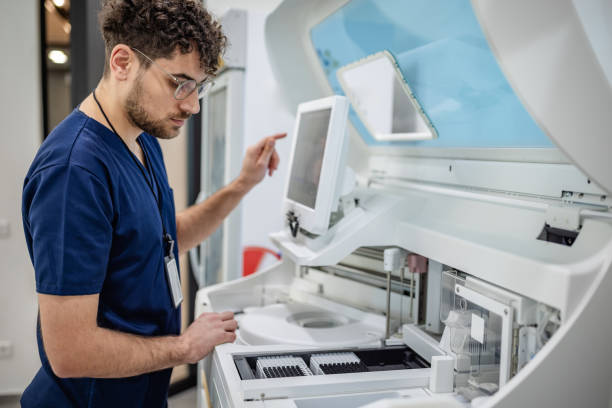
Entry-level individuals who assist in maintaining and repairing medical equipment under supervision. They gain initial experience with clinical devices and diagnostics. Their role builds foundational skills in healthcare technology. They often support senior engineers to learn workflows. This position is crucial for understanding the field before advancing to independent roles.

Early-career professionals who independently design, test, and maintain medical devices under guidance. They focus on specific areas like imaging or prosthetics in hospitals or firms. Their work contributes to patient care. They often collaborate with senior staff to ensure safety. Their contributions lay the groundwork for impactful medical solutions.

Mid-level professionals who lead complex device development, oversee testing, and mentor junior staff. They handle diverse projects and monitor performance across clinical settings. Their role involves addressing challenges like biocompatibility or regulatory issues. They often guide technical teams. Their expertise is vital for advancing medical technology and innovation.

Experienced professionals who oversee medical technology projects, providing strategic direction in firms or research labs. They ensure project alignment with clinical needs and guide teams in specialized roles. Their role includes training others in device integration. They often collaborate with regulators for compliance. They are central to translating healthcare innovations into practical solutions.

Experts who manage biomedical operations in hospitals or healthcare systems, leading teams to ensure equipment reliability and safety. They handle high-complexity tasks like system upgrades while contributing to clinical trends. Their expertise lies in optimizing healthcare delivery. They ensure alignment with patient needs or regulatory goals. Their leadership is essential for sustained impact in clinical environments.

Senior professionals who coordinate large-scale biomedical strategies, ensuring effective technology deployment across multiple regions. They manage budgets, teams, and schedules while mitigating operational risks. Their role involves stakeholder communication, presenting outcomes to executives or authorities. They ensure compliance with healthcare standards. Their oversight is pivotal for successful regional outcomes and scalability.