
 Biometeorologist
Explore various career paths and opportunities in Biometeorologist
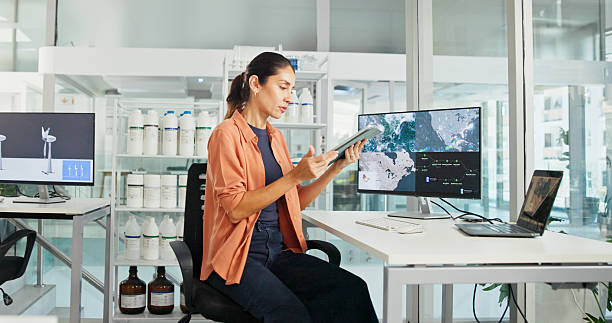
Early-career biometeorologists establish research or applied roles, often joining academic groups, government bodies, or consultancies while developing their expertise and project portfolio. They build independent research by managing studies on weather-biology interactions and performing routine analyses. Their work establishes professional reputation through successful project outcomes and collaboration with peers. They are developing specialty expertise, often focusing on specific areas like health meteorology or agro-meteorology to build a niche within the field.
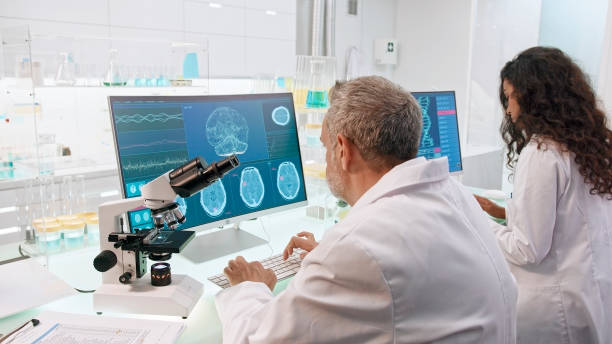
Experienced biometeorologists often take leadership roles, overseeing research teams or programs while mentoring junior researchers and shaping scientific protocols. They provide research leadership by guiding study standards and integrating new technologies into practice. Their experience guides program direction, influencing policy, resource allocation, and training initiatives. They are crucial for organizational excellence, ensuring high-quality research output and fostering a culture of continuous improvement within their teams.
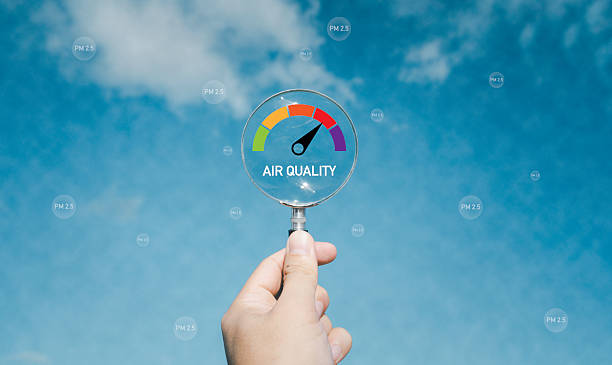
Specialists focus exclusively on the impact of weather on human health, developing expertise in heat stress, air quality, and disease forecasting. They focus on public health, addressing unique challenges of weather-related illnesses. Their specialization addresses health factors, tailoring solutions to minimize risks. They are essential for healthcare planning, often working in public health agencies to provide impactful, science-driven strategies.
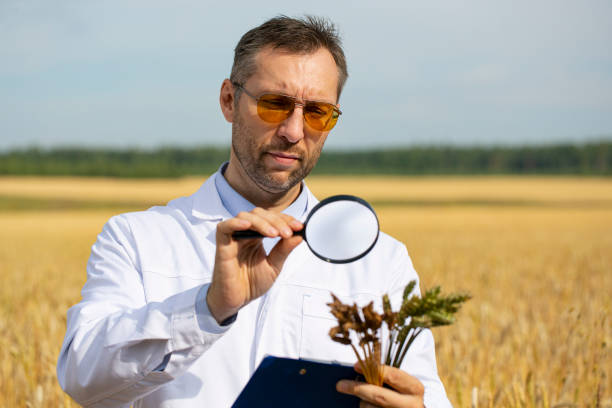
Experts in this track work on optimizing agricultural practices using weather data, focusing on crop and livestock resilience to climate variability. They drive innovation by optimizing forecasting methods for scalability and accuracy in farming. Their work bridges meteorology and agriculture, ensuring data aligns with food security needs. They are key to agricultural advancement, pushing the boundaries of weather data as a resource for sustainable farming.