
 Biotechnology Engineer
Explore various career paths and opportunities in Biotechnology Engineer
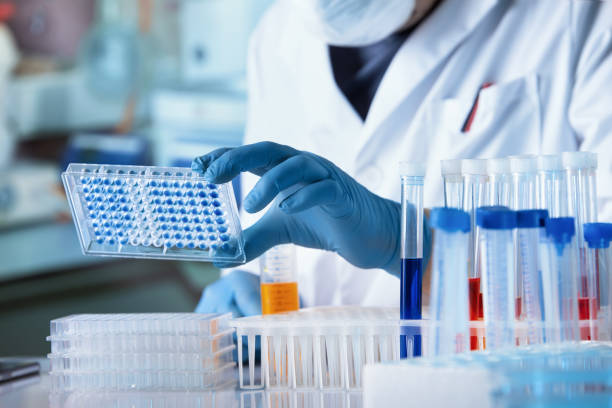
Biotechnology Engineers are at the forefront of applying engineering principles to biological systems. They design, develop, and optimize processes that involve living organisms or biological molecules to manufacture products such as vaccines, biofuels, and genetically modified crops. Their work spans the entire product lifecycle from conceptual design to pilot-scale production and commercial manufacturing. They must balance biological constraints with engineering efficiency, ensuring processes are scalable, cost-effective, and compliant with regulatory standards. Biotechnology engineers often collaborate with multidisciplinary teams, including molecular biologists, chemists, and process engineers, to translate innovative research into practical applications that benefit healthcare, agriculture, and industry.
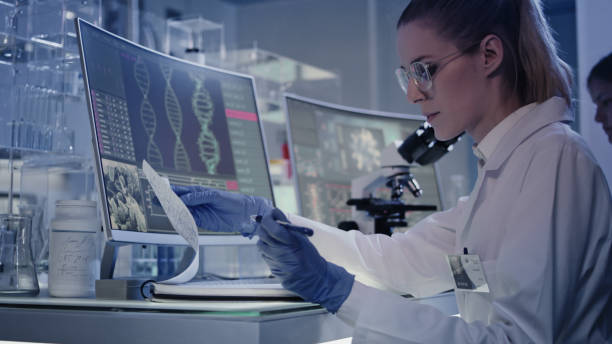
Genetic Engineers specialize in manipulating the genetic material of organisms to create desired traits or produce useful biological products. Using techniques such as recombinant DNA technology, CRISPR gene editing, and synthetic biology, they develop genetically modified organisms (GMOs) for applications ranging from improved crop yields to gene therapies for treating diseases. Their work requires deep knowledge of molecular biology, genetics, and bioinformatics, along with laboratory skills for cloning, sequencing, and gene expression analysis. Genetic engineers play a critical role in advancing personalized medicine, agricultural biotechnology, and industrial biosynthesis by designing organisms with enhanced or novel capabilities.
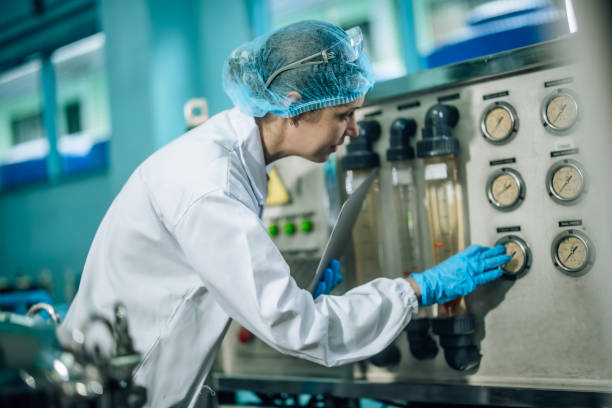
Bioprocess Engineers focus on the design, operation, and optimization of bioreactors and downstream processing equipment used to produce biological products. They develop scalable processes for fermentation, cell culture, and enzyme reactions, ensuring high product yield and purity while minimizing costs and environmental impact. Bioprocess engineers work closely with process development scientists and production teams to troubleshoot issues, improve efficiency, and implement automation and control systems. Their expertise is essential in industries such as pharmaceuticals, biofuels, food production, and environmental biotechnology, where precise control of biological systems is critical to success.
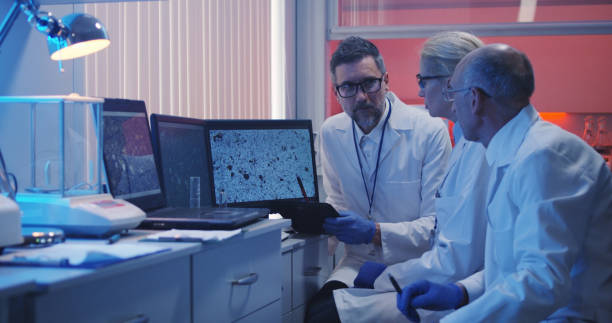
Bioinformatics Specialists combine biology, computer science, and statistics to analyze and interpret complex biological data. They develop algorithms and software tools to study genomes, proteomes, and metabolic pathways, enabling insights into gene function, disease mechanisms, and evolutionary biology. In biotechnology engineering, bioinformatics supports genetic engineering projects, drug discovery, and personalized medicine by providing data-driven guidance for experimental design and interpretation. Specialists in this field must be proficient in programming languages, data mining, and machine learning techniques, and they often collaborate with wet-lab scientists to integrate computational and experimental approaches.

Research Scientists in biotechnology engineering conduct fundamental and applied research to develop new biotechnological products, processes, and technologies. They design experiments, analyze data, and publish findings that advance scientific knowledge and industrial applications. Their work may involve genetic manipulation, enzyme engineering, metabolic pathway optimization, or development of biosensors and diagnostic tools. Research scientists often work in academic institutions, government labs, or industry R&D centers, collaborating with engineers and other scientists to translate discoveries into scalable technologies. Creativity, critical thinking, and technical expertise are essential to driving innovation in this role.

Production Managers oversee the day-to-day manufacturing operations of biotechnological products. They coordinate teams, manage schedules, and ensure that production targets are met while maintaining quality and safety standards. Production managers implement process improvements, troubleshoot operational issues, and ensure compliance with GMP and environmental regulations. They also manage resources, including raw materials, equipment, and personnel, to optimize efficiency and reduce costs. Effective leadership, problem-solving abilities, and knowledge of bioprocess engineering principles are key to success in this role.
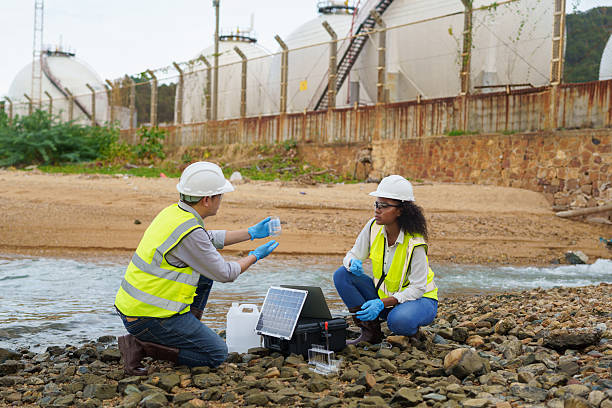
Environmental Biotechnologists develop and apply biotechnological solutions to address environmental challenges such as pollution, waste management, and resource conservation. They work on bioremediation techniques using microorganisms to degrade contaminants, develop bio-based waste treatment processes, and create sustainable bio-products from renewable resources. Their work supports circular economy initiatives and helps industries reduce their environmental footprint. Environmental biotechnologists collaborate with ecologists, chemists, and engineers to design processes that are both effective and environmentally responsible.