 Climatologist
Leading Professions
Explore various career paths and opportunities in Climatologist
Climatologist
Explore various career paths and opportunities in Climatologist
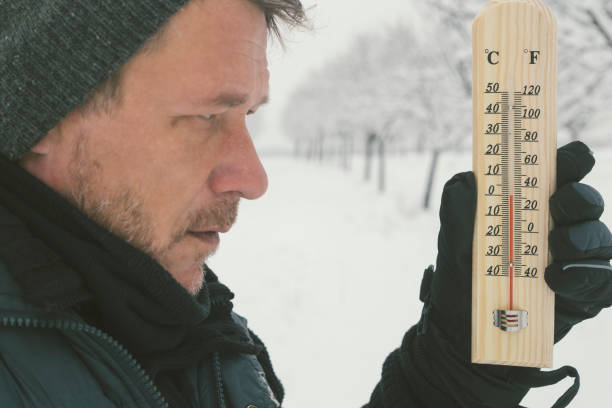
Climatologists analyze long-term climate data to understand atmospheric behavior, climate variability, and trends such as global warming. They use observational records and climate models to predict future climate scenarios and assess impacts on ecosystems and human societies. Their role involves communicating complex scientific findings to policymakers and the public, helping shape climate adaptation and mitigation strategies. Climatologists collaborate widely with scientists, government agencies, and international organizations to address climate-related challenges.

Climate Modelers specialize in designing and running sophisticated computer simulations of the Earth’s climate system. They integrate atmospheric, oceanic, and land surface processes to forecast climate changes under different greenhouse gas emission scenarios. Their work is essential for predicting extreme weather events, sea-level rise, and temperature changes, thereby informing environmental policies and disaster preparedness. Strong skills in programming, mathematics, and physics are vital for this role.
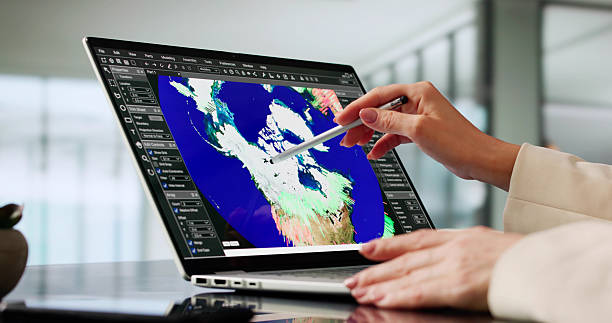
Meteorologists focus on short- and medium-term weather patterns but often contribute to climatology by studying atmospheric dynamics and variability. They analyze weather data to forecast storms, precipitation, and temperature fluctuations, supporting sectors such as agriculture, aviation, and emergency management. Meteorologists also contribute to climate research by providing insights into weather trends and anomalies.
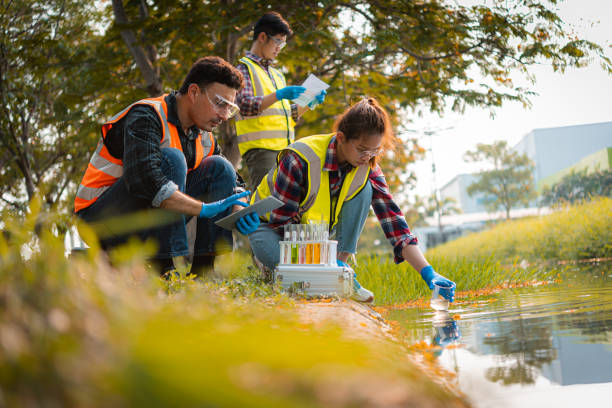
Environmental Scientists examine the interactions between climate and natural ecosystems. They study how climate change affects biodiversity, water quality, soil health, and ecosystem services. Their work involves field research, laboratory analysis, and environmental impact assessments. Environmental scientists help develop strategies for conservation, pollution control, and sustainable resource management in the context of changing climate conditions.
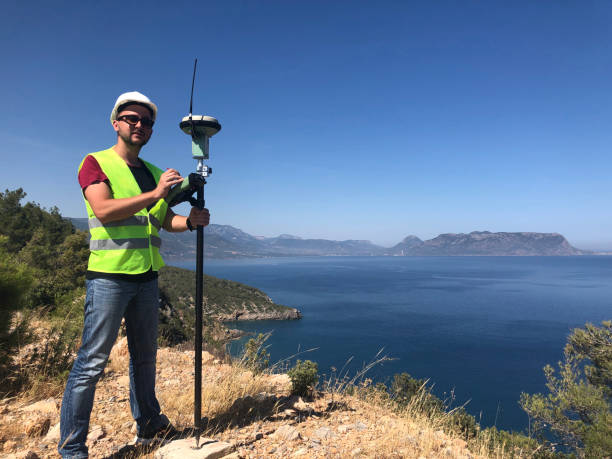
Remote Sensing Specialists use satellite imagery and aerial data to monitor climate variables such as temperature, vegetation health, and ice cover. They process and analyze spatial data using Geographic Information Systems (GIS) and specialized software to track environmental changes over time. Their expertise supports large-scale climate monitoring, natural disaster assessment, and environmental policy development.

Climate Policy Analysts translate scientific climate data into actionable policy recommendations. They evaluate the effectiveness of climate mitigation and adaptation strategies, assess socio-economic impacts, and advise governments and organizations on regulatory frameworks. Their role requires a blend of scientific understanding, economic analysis, and communication skills to influence climate-related decisions.

Hydrologists study the effects of climate on the water cycle, including precipitation, runoff, groundwater flow, and water quality. They assess risks related to floods, droughts, and water resource availability under changing climate conditions. Hydrologists collaborate with climatologists and environmental planners to develop sustainable water management practices and infrastructure resilience.

Sustainability Consultants advise businesses and organizations on reducing environmental impact and adapting to climate change. They conduct carbon footprint analyses, develop sustainability plans, and implement green technologies. Their work supports compliance with environmental regulations and helps clients achieve sustainability goals while maintaining economic viability.

Science Communicators and Educators make climate science accessible to diverse audiences. They develop educational programs, write articles, engage with media, and conduct outreach activities to raise awareness about climate change and promote informed public action. Their role is critical in bridging the gap between complex scientific research and societal understanding.
Climate Risk Analysts evaluate vulnerabilities and potential impacts of climate change on infrastructure, communities, and economies. They use climate data and modeling to inform risk management strategies, insurance underwriting, and urban planning. Their analyses help build resilience against climate-related hazards and support sustainable development.