
 Cryobiologist
Explore various career paths and opportunities in Cryobiologist
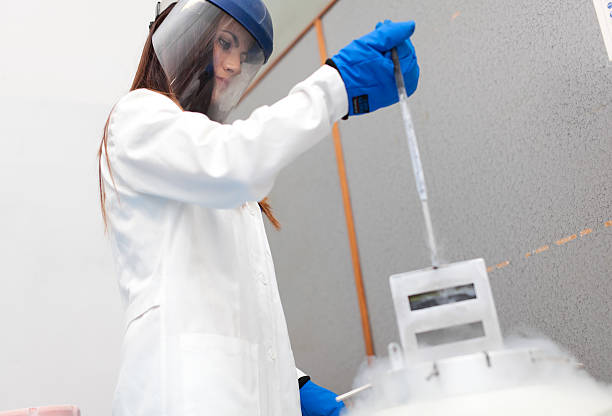
Early-career cryobiologists establish research or applied roles, often joining academic groups, medical facilities, or industries while developing their expertise and project portfolio. They build independent research by managing studies on cryopreservation and performing routine analyses. Their work establishes professional reputation through successful project outcomes and collaboration with peers. They are developing specialty expertise, often focusing on specific areas like reproductive cryobiology or organ preservation to build a niche within the field.
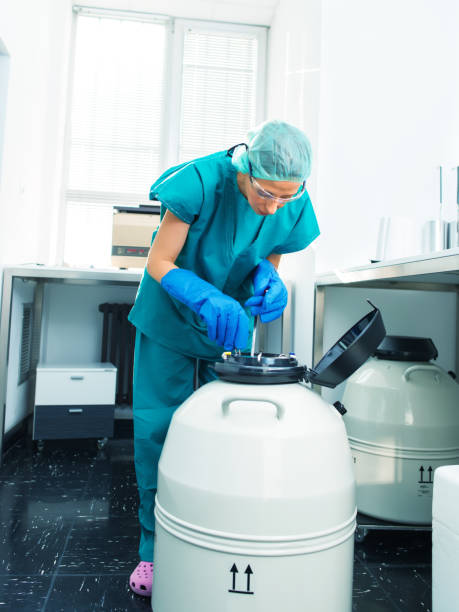
Mid-career specialists maintain active research portfolios, often developing subspecialty interests within cryobiology such as tissue banking or cold-adapted ecology. They manage complex projects, including large-scale preservation studies or medical applications, often serving as referral experts for challenging research questions. Their expertise attracts funding and partnerships, solidifying their role in scientific networks. They are central to research delivery, balancing project duties with mentorship of junior colleagues and participation in advisory committees.
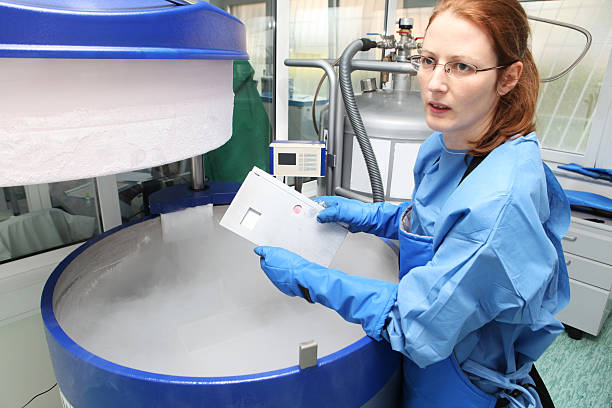
Experienced cryobiologists often take leadership roles, overseeing research teams or programs while mentoring junior researchers and shaping scientific protocols. They provide research leadership by guiding study standards and integrating new technologies into practice. Their experience guides program direction, influencing policy, resource allocation, and training initiatives. They are crucial for organizational excellence, ensuring high-quality research output and fostering a culture of continuous improvement within their teams.
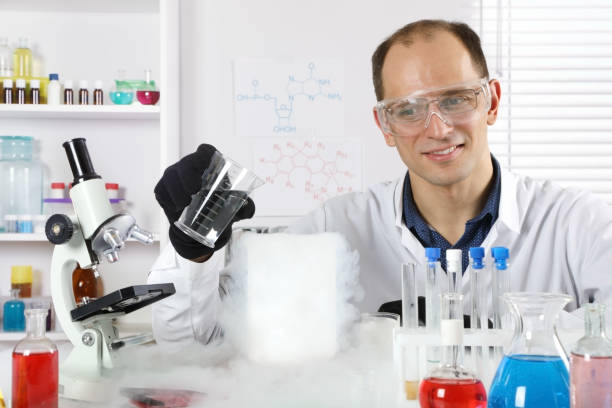
Top-level cryobiologists may direct research programs or academic departments, combining scientific expertise with administrative leadership and teaching responsibilities. They provide institutional leadership by overseeing cryobiological research initiatives and educational curricula at universities or institutes. Their influence shapes the specialty through policy advocacy, published works, and training the next generation of cryobiologists. They are essential for advancing the field, driving innovation in preservation technologies and sustainable methodologies.
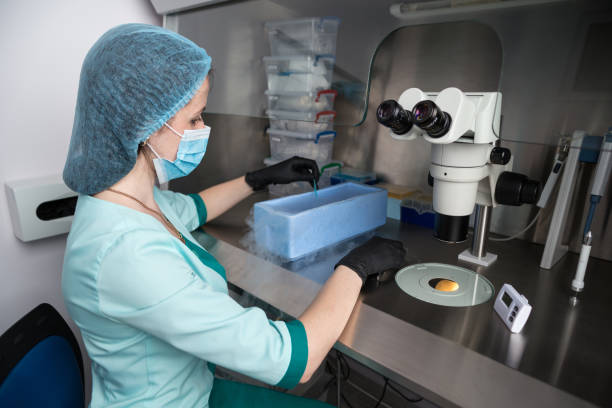
Specialists focus exclusively on cryopreservation in reproductive medicine, developing expertise in preserving gametes and embryos. They focus on clinical care, addressing unique challenges of fertility preservation. Their specialization addresses medical factors, tailoring solutions to maximize viability post-thaw. They are essential for healthcare advancements, often working in dedicated fertility clinics to provide impactful, science-driven solutions.
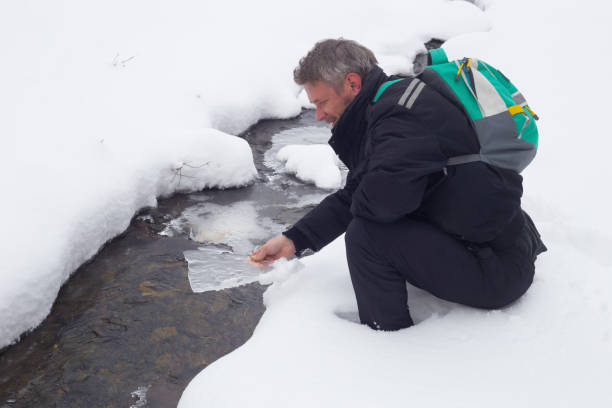
Experts in this track work in biodiversity conservation, focusing on biobanking of genetic resources for endangered species. They drive innovation by optimizing preservation processes for scalability and efficacy in conservation settings. Their work bridges science and ecology, ensuring genetic diversity aligns with conservation needs and regulatory standards. They are key to environmental advancement, pushing the boundaries of cryobiology in protecting global biodiversity.