
 Electrobiologist
Explore various career paths and opportunities in Electrobiologist
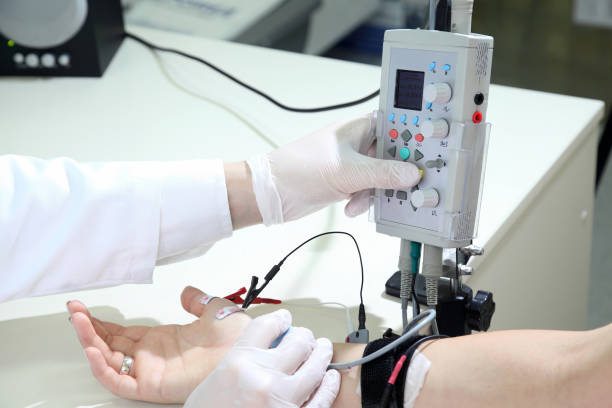
Electrobiologists specialize in studying electrical phenomena in biological systems, such as neural signaling, cardiac electrophysiology, and cellular bioelectricity. They conduct experiments using advanced electrophysiological techniques like patch-clamp recording and EEG, analyze data, and develop models to understand how electrical signals regulate biological functions. Their work is fundamental to developing treatments for neurological disorders, cardiac arrhythmias, and bioelectronic medicine.
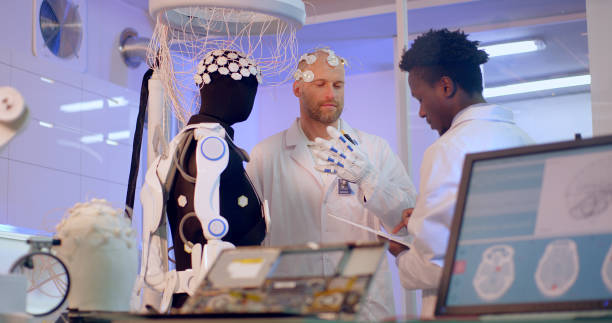
Biomedical Engineers in neuroengineering design and develop medical devices that interface with the nervous system. They work on neural prosthetics, brain-computer interfaces, and implantable stimulators to restore or enhance neural function. Their role requires expertise in electronics, signal processing, and biology to create innovative solutions for neurological diseases.
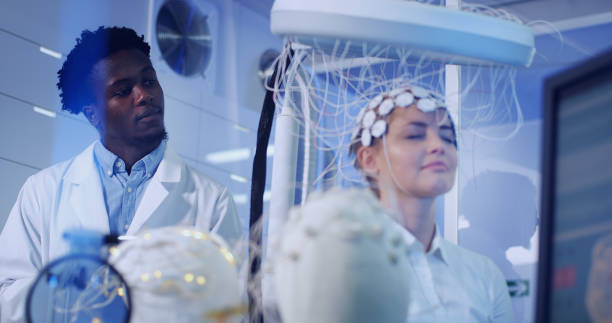
Neurophysiologists study the electrical activity of the nervous system at cellular and systemic levels. They use electrophysiological techniques to investigate brain function, neural circuits, and sensory processing. Their research advances understanding of neurological disorders and supports development of neurotherapeutic approaches.
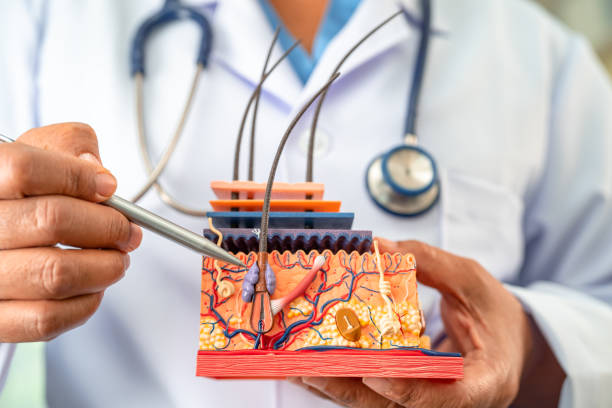
Biophysicists apply physical principles to study biological electrical phenomena. They investigate ion channel function, membrane potentials, and bioelectric signaling pathways using experimental and theoretical methods. Their research bridges biology and physics to uncover mechanisms underlying cellular electrical activity.
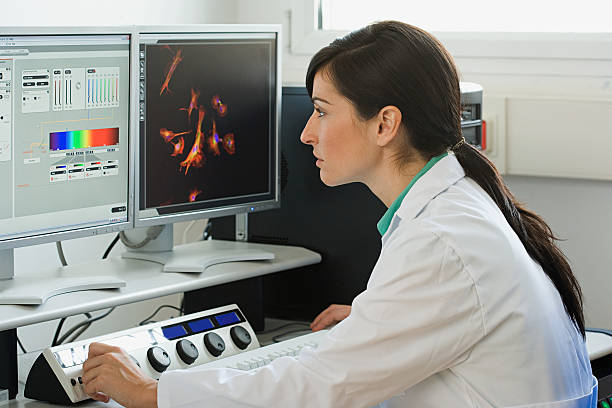
Computational Biologists develop mathematical models and simulations to understand bioelectrical processes. They analyze complex datasets from electrophysiological experiments and predict cellular responses to electrical stimuli. Their work supports design of bioelectronic devices and interpretation of experimental results.
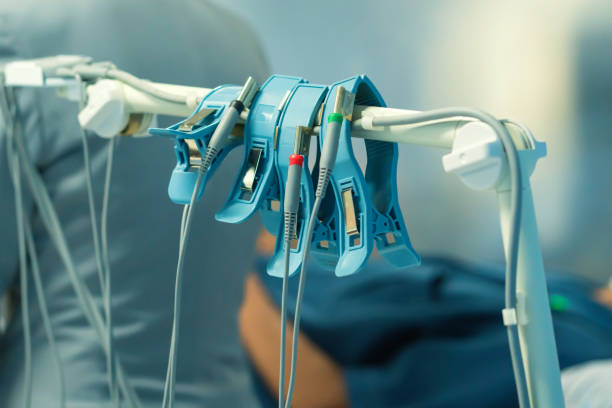
Medical Device Developers design, test, and improve bioelectronic devices such as pacemakers, cochlear implants, and neural stimulators. They ensure devices meet safety and efficacy standards and collaborate with clinicians and researchers to translate innovations into clinical practice.
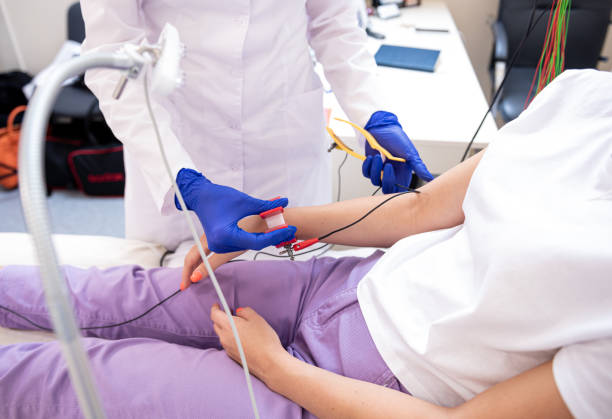
Electrophysiology Technicians operate and maintain equipment used to record electrical activity in biological tissues. They assist researchers and clinicians in conducting experiments and diagnostic tests, ensuring accurate data collection and instrument calibration.
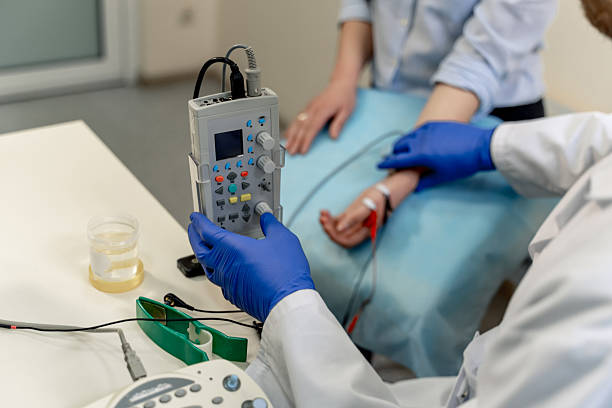
Clinical Researchers conduct trials and studies to evaluate bioelectrical therapies and devices in patients. They monitor safety, efficacy, and outcomes, contributing to evidence-based medicine and regulatory approval processes.