
 Fine Artist
Explore various career paths and opportunities in Fine Artist
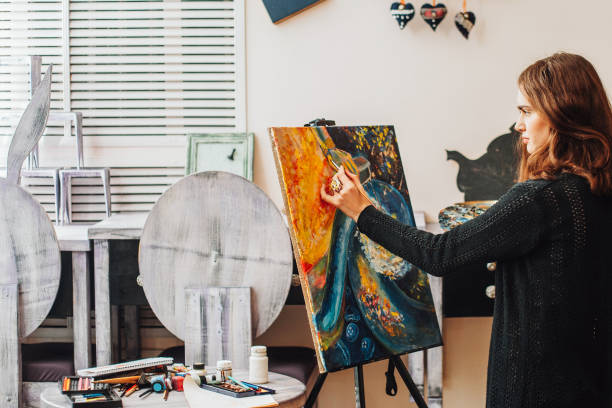
Experienced professionals manage comprehensive art projects with high creativity, using advanced skills. They offer expertise in specific styles. Their skills improve impact by mentoring emerging artists and refining techniques. They are vital for cultural contributions, often leading solo exhibitions.
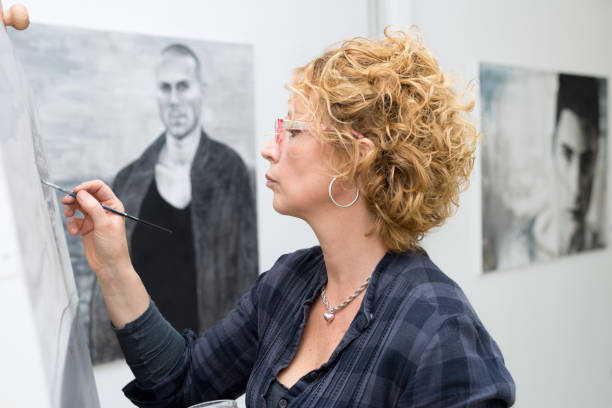
Senior professionals guide art collectives or curate exhibitions while ensuring thematic consistency. They provide leadership by establishing creative directions for group shows. Their contributions enhance quality through innovative approaches. They are essential for cultural coordination.

Leaders focus on guiding creative departments in institutions or projects and shaping long-term artistic strategies. They provide strategic oversight by aligning art with cultural needs. Their vision fosters growth by integrating new ideas. They are critical for maintaining artistic standards.
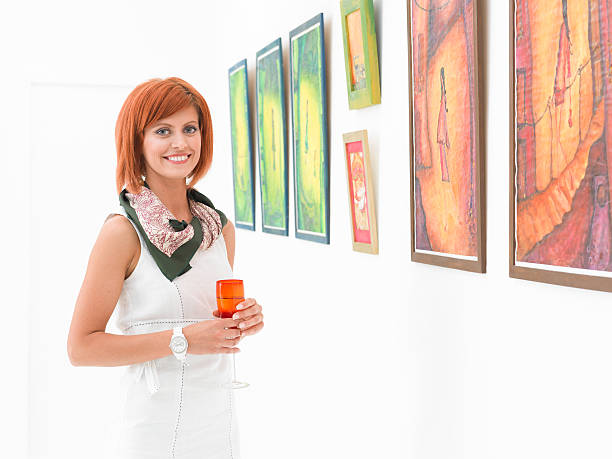
Top-tier professionals manage art spaces and business strategies for exhibitions. They handle budgets, marketing, and curation while ensuring alignment. Their leadership integrates art into broader markets. They play a key role in art promotion.
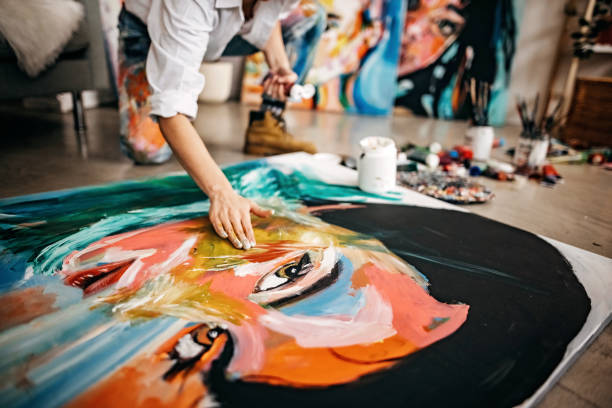
Senior artists specialize in creating works through painting mediums. They ensure art meets aesthetic or conceptual goals, often leading thematic projects. Their expertise shapes visual expression. They collaborate closely with galleries for impactful outcomes.
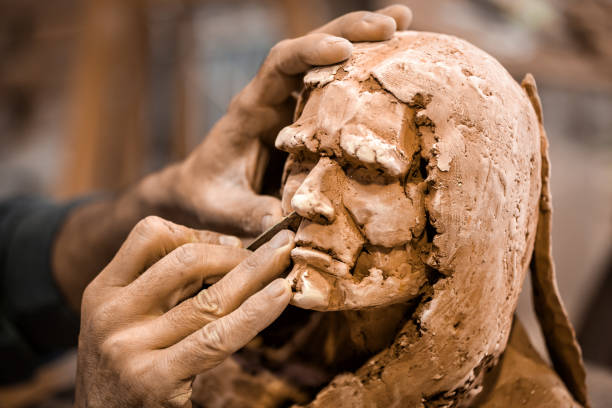
Professionals focus on designing and crafting three-dimensional artworks. They use specialized skills to ensure form and durability. Their work is crucial in spatial design. They contribute significantly to public art presence.
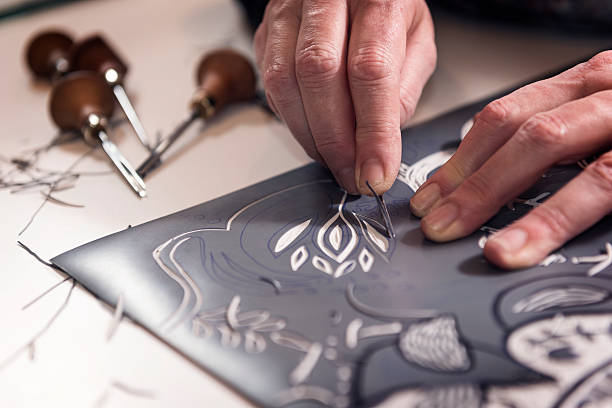
Experts create art through printing techniques like etching or lithography. They work on integrating creativity with technical precision, often leading edition projects. Their strategic skills are vital for unique outputs. They often lead research into print innovations.