
 Historian
Explore various career paths and opportunities in Historian

Senior professionals specialize in preserving historical records, ensuring accessibility. They provide leadership by managing archival systems and high-priority initiatives. Their contributions enhance efficiency through innovative solutions. They are essential for historical preservation, bridging past and future needs.
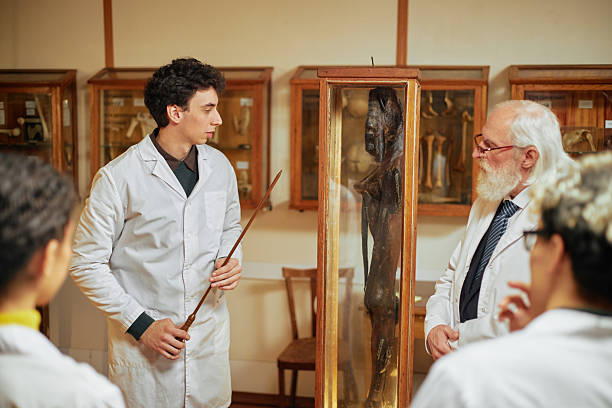
Leaders provide strategic guidance on historical exhibitions in museum or cultural settings. They oversee initiatives by aligning displays with educational goals. Their vision fosters growth by integrating modern solutions into frameworks. They are critical for public history standards, preparing strategies for engagement.

Top-tier educators manage history programs in universities. They handle curriculum, mentoring, and research direction while ensuring academic rigor. Their leadership integrates education into broader systems. They play a key role in knowledge development, championing future historians and driving historical studies.

Professionals focus on making history accessible through public projects, blending research with outreach goals. They work on exhibitions and community programs. Their expertise ensures historical relevance. They contribute significantly to societal understanding.
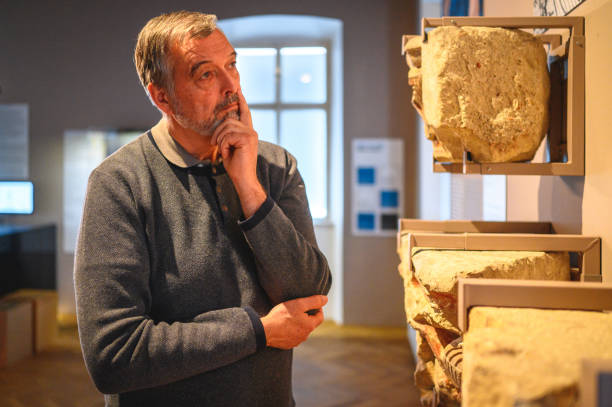
Specialists preserve and promote cultural heritage through research and policy. They ensure historical sites and traditions are safeguarded. Their role supports cultural identity. They are essential for bridging history with modern conservation.
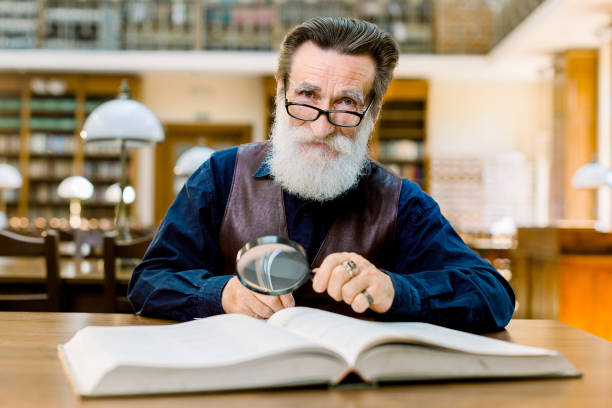
Experts document personal narratives and oral traditions to preserve untold histories. They use interviews to capture lived experiences. Their skills enrich historical records. They are key to documenting marginalized voices.