
 Marine Biotechnologist
Explore various career paths and opportunities in Marine Biotechnologist
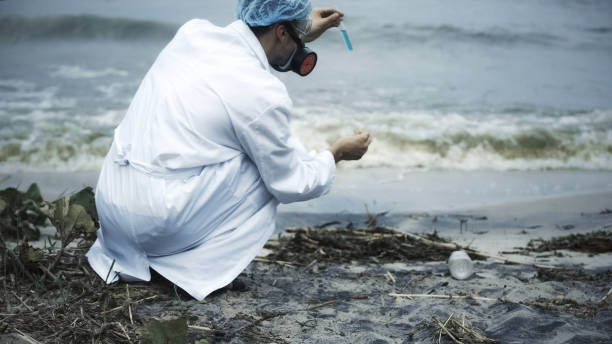
Experienced scientists often take leadership roles, overseeing research teams or marine biotech programs while mentoring junior staff and shaping research protocols. They provide scientific leadership by guiding standards and integrating new methodologies into practice. Their experience guides program direction, influencing policy and training initiatives. They are crucial for organizational excellence, ensuring high-quality output and fostering a culture of continuous improvement within their teams.
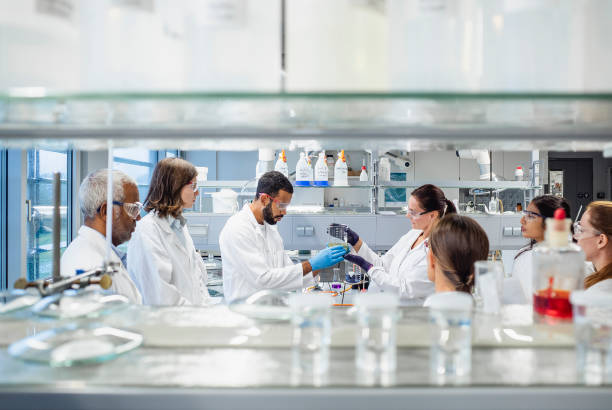
Top-level scientists may direct research programs or lead academic departments, combining technical expertise with administrative leadership and advocacy responsibilities. They provide institutional leadership by overseeing marine biotech initiatives and educational curricula at institutes or organizations. Their influence shapes the specialty through policy advocacy, published works, and training the next generation of marine biotechnologists. They are essential for advancing the field, driving innovation in marine research and applications.
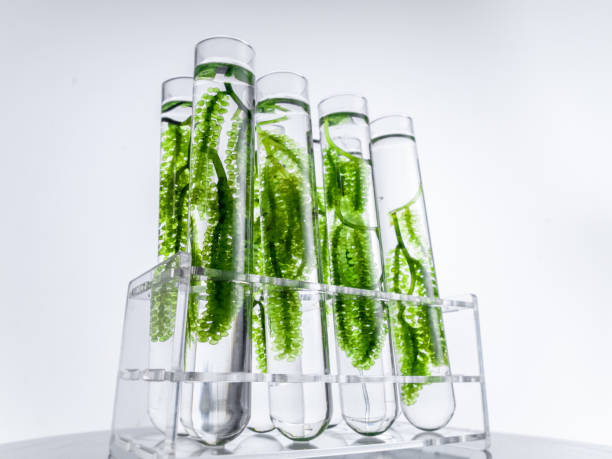
Specialists focus exclusively on identifying and developing pharmaceutical compounds from marine organisms, with expertise in bioactive screening. They focus on precision, addressing unique challenges of drug efficacy and scalability. Their specialization addresses healthcare demands, tailoring solutions to maximize therapeutic outcomes. They are essential for pharmaceutical standards, often working in dedicated labs to provide impactful, data-driven solutions.
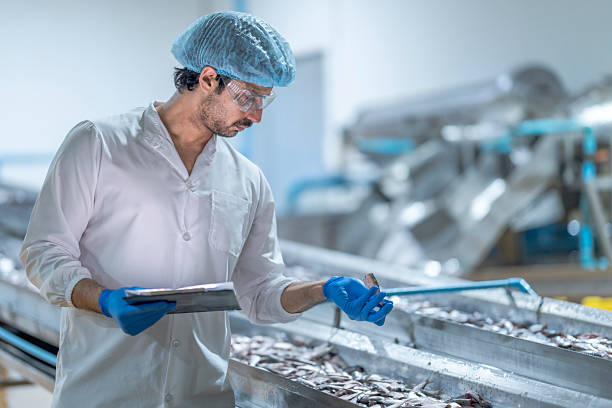
Experts in this track work on enhancing marine species for sustainable aquaculture, focusing on genetic improvements. They drive innovation by enhancing productivity through biotechnological interventions. Their work bridges science and industry, ensuring scientific assessments align with food security needs. They are key to aquaculture advancement, pushing the boundaries of marine biotechnology in sustainable farming.
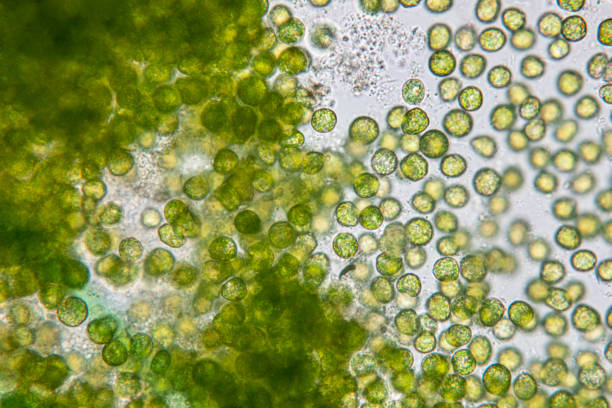
Senior scientists in this role leverage their expertise to use marine microbes for pollution cleanup, such as oil spills. They shape outcomes by advising on environmental restoration strategies. Their insights guide decision-making, ensuring research delivers maximum environmental benefit. They are instrumental in conservation, advocating for biotechnology's role in addressing marine pollution.

Specialists focus on sequencing and analyzing marine genomes to uncover functional traits, exploring applications like genetic engineering. They drive innovation by bridging marine biology with genomic solutions. Their work connects laboratory research with practical outcomes, ensuring advancements meet scientific standards. They are key to scientific progress, pushing the boundaries of marine biotechnology in genetic research.