 Music Producer
Leading Professions
Explore various career paths and opportunities in Music Producer
Music Producer
Explore various career paths and opportunities in Music Producer

Early-career professionals assist in recording and production with increasing autonomy. They hone skills in sound design and artist collaboration. Their practice builds experience through supporting roles in projects. They prepare for advanced roles by mastering core techniques and adhering to production guidelines in professional environments.
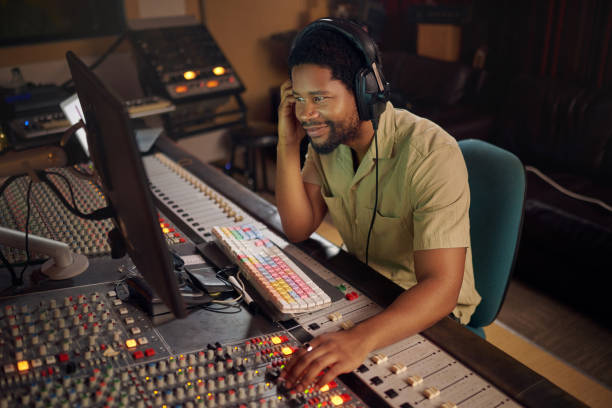
Experienced professionals manage music for independent artists or smaller projects with high accuracy during diverse productions. They offer expertise in creating impactful tracks for superior outcomes. Their skills improve results by mentoring trainees and resolving technical challenges. They are vital for artist growth, frequently leading production and ensuring market readiness.
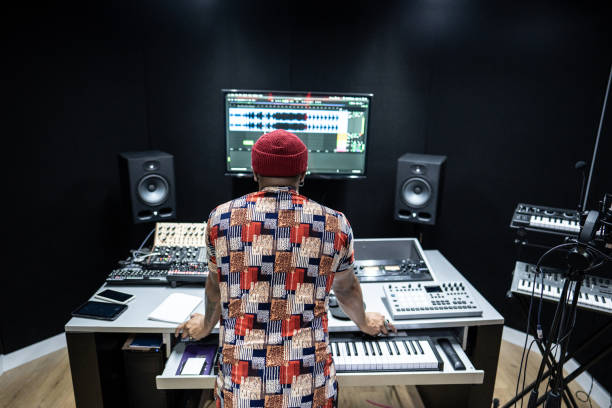
Senior professionals supervise multiple projects or artists, ensuring creative and commercial excellence. They provide leadership by establishing production protocols and managing studio environments. Their contributions enhance efficiency through artist development and quality assurance of releases. They are essential for music innovation, often bridging communication between artists and labels to uphold best practices.

Leaders oversee music production departments or entire labels in industry settings. They provide strategic oversight by developing talent rosters aligned with market trends. Their vision fosters organizational growth by integrating innovative production strategies. They are critical for advancing music standards, preparing content to meet evolving listener demands.

Top-tier educators manage training programs or teach aspiring producers in academic or industry settings. They handle curriculum development, student progress, and technique refinement while ensuring technical compliance. Their leadership integrates educational services seamlessly into broader music systems. They play a key role in skill development, championing innovation in music production education across their organizations.