 Musical-Instrument Player
Leading Professions
Explore various career paths and opportunities in Musical-Instrument Player
Musical-Instrument Player
Explore various career paths and opportunities in Musical-Instrument Player

Experienced professionals perform for independent projects or smaller ensembles with high accuracy during diverse gigs. They offer expertise in delivering impactful music for superior outcomes. Their skills improve results by mentoring trainees and resolving technical challenges. They are vital for artistic growth, frequently leading performances and ensuring audience engagement.
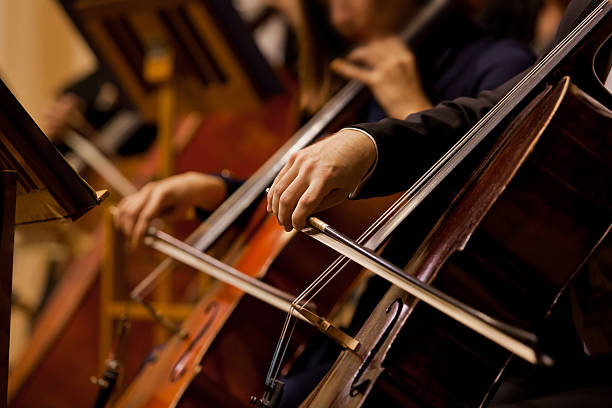
Specialists oversee major performances or high-profile projects with exceptional competence. They integrate deep technical knowledge with expertise in trendsetting styles for captivating results. Their proficiency aids memorable shows through close collaboration with directors. They are central to performance success, often representing the main artistic vision, significantly impacting audience reception.
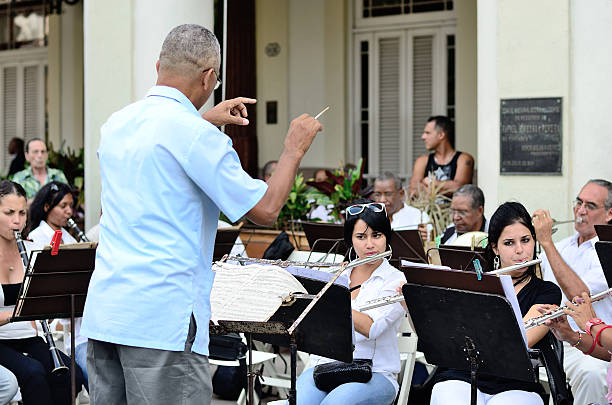
Senior professionals supervise ensembles or bands, ensuring creative and technical excellence. They provide leadership by establishing performance protocols and managing group dynamics. Their contributions enhance efficiency through musician development and quality assurance of shows. They are essential for music innovation, often bridging communication between artists and organizers to uphold best practices.

Leaders oversee training programs or teach aspiring musicians in academic or industry settings. They provide strategic oversight by developing talent aligned with performance trends. Their vision fosters organizational growth by integrating innovative teaching strategies. They are critical for advancing music standards, preparing students to meet evolving industry demands.

Top-tier creators manage composition projects or develop original music in professional settings. They handle music creation, arrangement, and mentorship while ensuring artistic compliance. Their leadership integrates creative services seamlessly into broader music systems. They play a key role in skill development, championing innovation in music creation across their organizations.