
 Philologist
Explore various career paths and opportunities in Philologist

Experienced professionals manage complex philological studies with high accuracy, using advanced research techniques. They offer expertise in specific languages or periods. Their skills improve precision by mentoring trainees. They are vital for research success, often leading impactful studies.
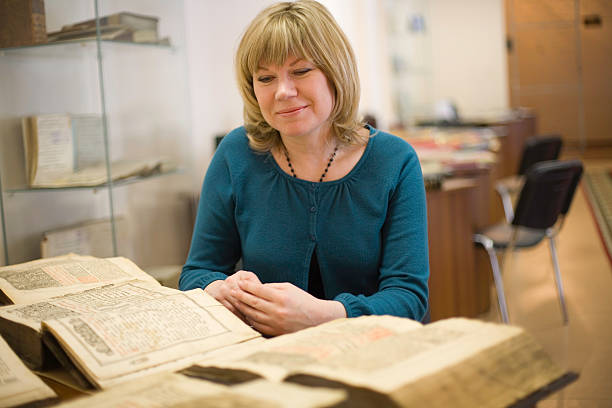
Specialists oversee major philological projects with exceptional competence. They integrate deep historical knowledge with expertise in textual reconstruction for impactful outcomes. Their proficiency aids planning through collaboration with teams. They are central to research excellence, focusing on quality assurance.

Senior professionals specialize in manuscript preservation and digitization, ensuring historical accuracy. They provide leadership by managing archival projects and high-priority initiatives. Their contributions enhance efficiency through innovative solutions. They are essential for cultural preservation, bridging history and technology.

Professionals focus on reconstructing and authenticating historical texts, blending analysis with history. They ensure accuracy in editions of ancient works. Their expertise supports scholarship. They contribute significantly to literary studies.

Specialists study language evolution through historical texts, analyzing change over time. They focus on linguistic shifts in cultural contexts. Their role enhances historical understanding. They are essential for language research.
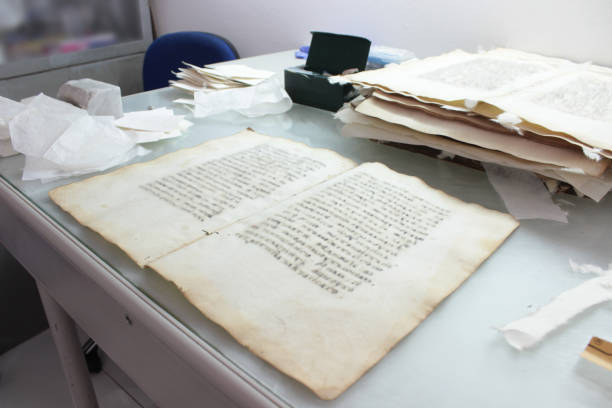
Experts manage and preserve historical manuscripts in archives or museums. They ensure accessibility through cataloging and conservation. Their skills protect cultural heritage. They are key to archival integrity.

Professionals apply digital tools to philological research, blending technology with history. They work on digitizing texts for broader access. Their expertise ensures innovation. They are vital for modern scholarship.