 Remote-Sensing or Earth-Observation Scientist
Leading Professions
Explore various career paths and opportunities in Remote-Sensing or Earth-Observation Scientist
Remote-Sensing or Earth-Observation Scientist
Explore various career paths and opportunities in Remote-Sensing or Earth-Observation Scientist

Early-career scientists establish roles in research, governmental, or commercial settings while developing their expertise and project portfolio. They build independent research by conducting routine data analysis and mapping. Their work establishes professional reputation through accurate assessments and collaboration with peers. They are developing specialty expertise, often focusing on areas like disaster mapping or climate monitoring to build a niche within the field.

Experienced scientists often take leadership roles, overseeing research teams or geospatial programs while mentoring junior staff and shaping research protocols. They provide scientific leadership by guiding standards and integrating new methodologies into practice. Their experience guides program direction, influencing policy and training initiatives. They are crucial for organizational excellence, ensuring high-quality output and fostering a culture of continuous improvement within their teams.
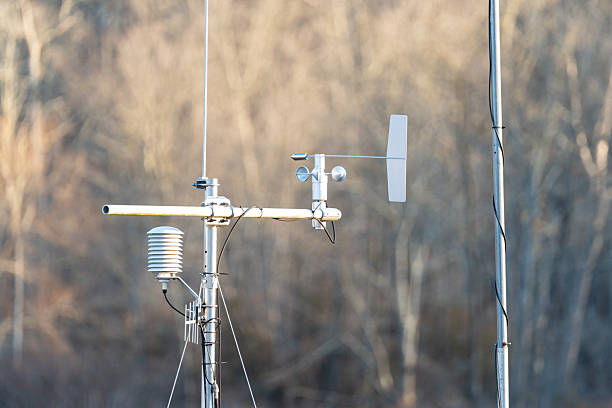
Specialists focus exclusively on mapping disaster impacts using remote-sensing data, with expertise in real-time crisis analysis. They focus on precision, addressing unique challenges of emergency response accuracy. Their specialization addresses societal demands, tailoring solutions to maximize disaster preparedness. They are essential for crisis management standards, often working in dedicated units to provide impactful, data-driven solutions.
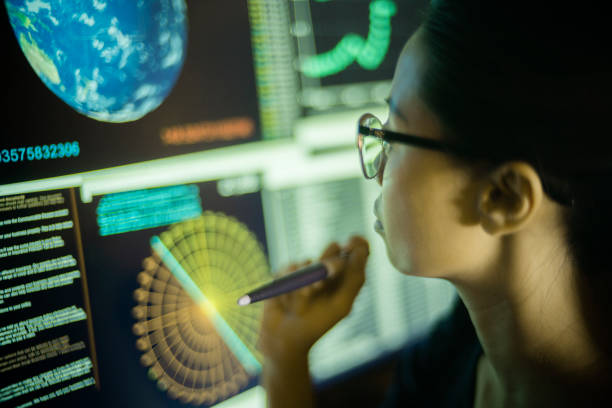
Experts in this track work on tracking climate variables like temperature and ice cover, focusing on long-term environmental trends. They drive innovation by enhancing monitoring frameworks through remote-sensing analysis. Their work bridges science and policy, ensuring scientific assessments align with global needs. They are key to climate advancement, pushing the boundaries of Earth observation in environmental impact.
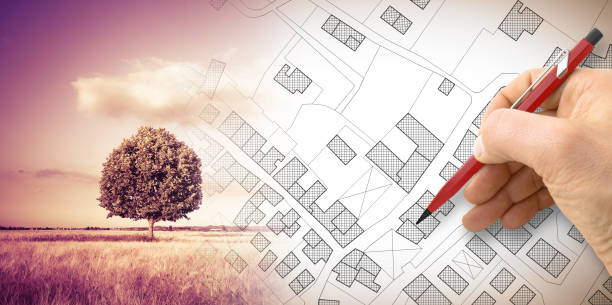
Senior scientists in this role leverage their expertise to map and analyze land-use changes for sustainable development. They shape outcomes by advising on zoning and resource management. Their insights guide decision-making, ensuring research translates to societal benefit. They are instrumental in sustainability, advocating for remote sensing's role in addressing local challenges.

Specialists focus on analyzing large geospatial datasets to uncover environmental patterns, exploring applications like machine learning for predictions. They drive innovation by bridging remote sensing with data solutions. Their work connects laboratory research with practical outcomes, ensuring advancements meet analytical standards. They are key to scientific progress, pushing the boundaries of Earth observation in data analytics.