
 Serologist
Explore various career paths and opportunities in Serologist

Early-career serologists establish roles in clinical labs, forensic units, or research facilities while developing their expertise and project portfolio. They build independent analysis by conducting routine serological tests and experiments. Their work establishes professional reputation through accurate assessments and collaboration with peers. They are developing specialty expertise, often focusing on areas like forensic serology or transfusion medicine to build a niche within the field.

Experienced serologists often take leadership roles, overseeing lab teams or serological programs while mentoring junior staff and shaping analytical protocols. They provide scientific leadership by guiding standards and integrating new technologies into practice. Their experience guides program direction, influencing policy and training initiatives. They are crucial for organizational excellence, ensuring high-quality output and fostering a culture of continuous improvement within their teams.
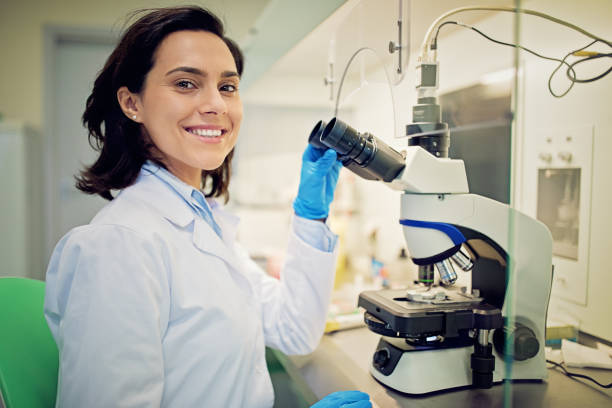
Specialists focus exclusively on medical diagnostics, developing expertise in disease detection and blood safety strategies. They focus on precision, addressing unique challenges of serological testing in patient care. Their specialization addresses healthcare demands, tailoring solutions to maximize diagnostic accuracy. They are essential for scientific standards, often working in dedicated labs to provide impactful, data-driven solutions.

Experts in this track work on biological evidence analysis, focusing on identifying individuals through blood and fluid markers for legal purposes. They drive innovation by enhancing forensic techniques through serological analysis. Their work bridges science and justice, ensuring serological assessments align with legal needs. They are key to criminal justice advancement, pushing the boundaries of serology in investigations.
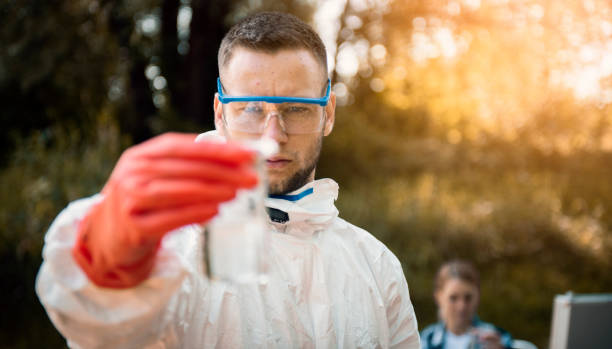
Senior serologists in this role leverage their expertise to study disease prevalence in populations for outbreak control and prevention. They shape outcomes by advising on vaccination and disease tracking strategies. Their insights guide decision-making, ensuring science informs public health protection for maximum benefit. They are instrumental in epidemiology, advocating for serology's role in addressing health crises.
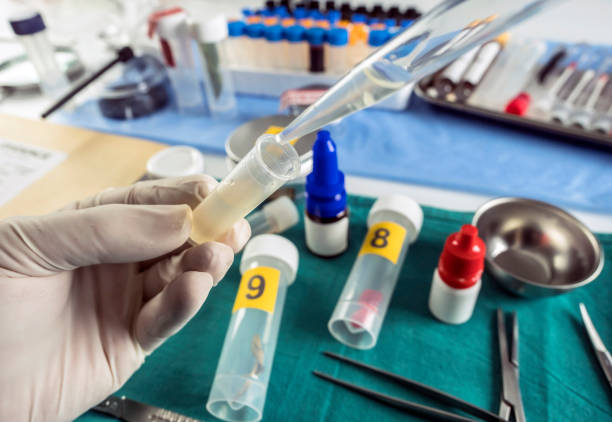
Specialists focus on immunological advancements, exploring applications like vaccine development or novel diagnostic tools. They drive innovation by bridging serological science with medical solutions. Their work connects scientific research with practical outcomes, ensuring serological advancements meet industry standards. They are key to technological progress, pushing the boundaries of serology in biotechnology.