 State Electricity Board Services
Leading Professions
Explore various career paths and opportunities in State Electricity Board Services
State Electricity Board Services
Explore various career paths and opportunities in State Electricity Board Services
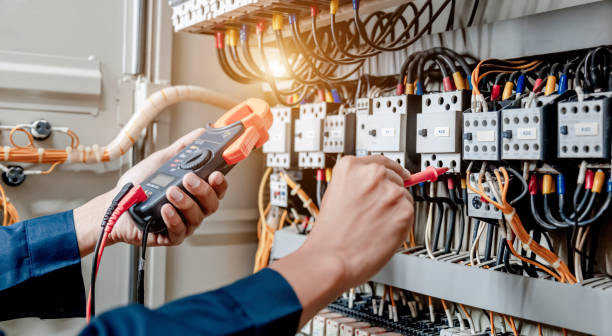
Entry-level technical staff perform basic maintenance and repair tasks under state electricity boards, often in substations or field locations after clearing board exams or diploma-based recruitment. They focus on learning equipment handling. Their work supports ground-level power operations. They build foundational skills for career progression.

JEs assist in power distribution and maintenance tasks under state electricity boards, often in substations or regional offices after clearing board exams or State PSC recruitment. They focus on learning grid operations. Their work supports basic power delivery. They build technical skills under senior guidance for career progression.

AEs manage small-scale power distribution or generation operations for state electricity boards in regional or district offices after promotions or direct recruitment via exams. They oversee maintenance and consumer services. Their expertise ensures operational efficiency. They act as a stepping stone to higher technical roles.

EEs handle larger technical and administrative responsibilities under state electricity boards, managing district-level power systems or projects after experience as AE. They coordinate infrastructure upgrades and grid stability. Their leadership drives regional power reliability. They mentor junior engineers and shape operational strategies.

SEs oversee multiple districts or major projects in power generation or distribution under state electricity boards after years as EE, managing complex operations and policy implementation. They ensure compliance and energy efficiency. Their expertise influences state power outcomes. They advise on critical technical matters.
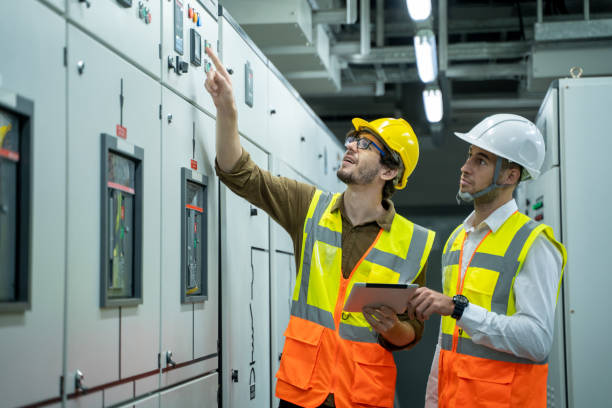
Chief Engineers manage state-wide technical operations or large divisions under state electricity boards after serving as SE, overseeing power generation, transmission, and distribution strategies. They align state energy goals with operational needs. Their leadership ensures systemic reliability. They guide policy implementation and mentor teams.
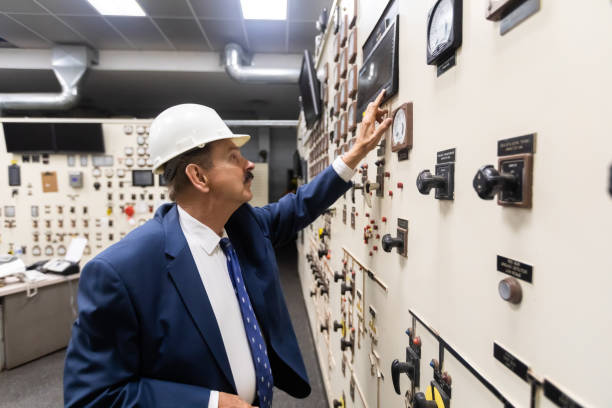
Senior technical leaders oversee state-wide power policies and operations under state government jurisdiction after serving in Chief Engineer roles, driving innovation and regulatory compliance. They shape energy strategies and infrastructure plans. Their vision influences state power frameworks. They represent technical expertise at the board level.

Divisional Engineers manage specific divisions or zones within the state electricity board, focusing on regional power distribution and infrastructure after experience as EE or SE. They ensure localized grid performance. Their leadership drives divisional efficiency. They act as a key link between field operations and state policies.

Substation Engineers specialize in the operation and maintenance of substations under state electricity boards, often after roles as JE or AE, ensuring power transformation and distribution reliability. They focus on technical uptime and safety. Their expertise prevents outages. They support grid stability at critical nodes.

Senior leaders oversee specific power plants or transition to advisory roles in government, or academia at institutes like IITs, or provide expert consultancy in energy management after serving in higher technical roles. They influence energy reforms and policies. Their vision shapes state and national power trends. They mentor future engineers and drive systemic innovation in the power sector.