 Sub-Divisional Magistrate
Leading Professions
Explore various career paths and opportunities in Sub-Divisional Magistrate
Sub-Divisional Magistrate
Explore various career paths and opportunities in Sub-Divisional Magistrate
Entry-level officers assist senior administrators in sub-divisional or district tasks, often under UPSC IAS or State PSC postings during training at LBSNAA or state institutes. They focus on learning governance and public interaction. Their work supports initial administrative duties at the sub-district level. They build foundational skills under senior officers for effective leadership.
SDMs manage sub-divisions within districts, handling law and order, revenue, and development for the state government in sub-divisional headquarters or smaller towns. They coordinate local departments for governance. Their expertise ensures public safety and policy execution. They act as a key link between local needs and district administration.

ADMs support the DM in district administration, overseeing specific portfolios like revenue or development under state government jurisdiction in district collectorates, often after serving as SDM. They manage complex projects and legal matters. They address challenges like policy coordination and public grievances. Their role strengthens district governance efficiency.
DMs or Collectors lead district administration as the highest state government authority at the district level, executing policies, managing disasters, and ensuring public welfare after experience as SDM and ADM. They align state goals with local needs. Their leadership drives comprehensive development and crisis response. They mentor junior officers and shape district governance.
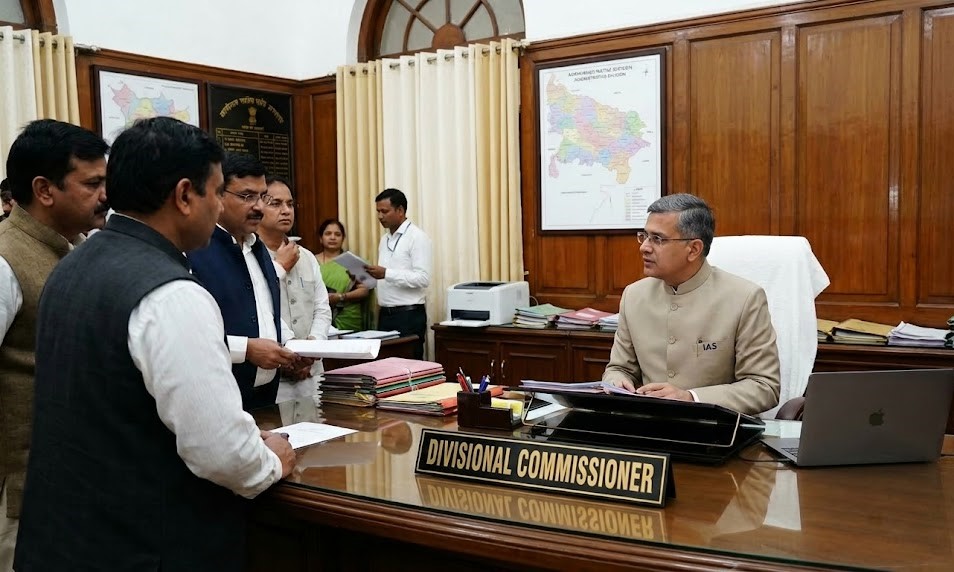
Senior leaders oversee multiple districts as Divisional Commissioners or hold key secretarial positions in state government, managing departments as Principal Secretaries or leading state administration as Chief Secretaries, or transition to academia at institutes like IIPA (Indian Institute of Public Administration), or provide expert consultancy in governance after serving as SDM and higher roles. They influence state-wide reforms and policies. Their vision shapes regional and state governance trends. They mentor future administrators and drive systemic innovation.