 Veterinary Scientist
Leading Professions
Explore various career paths and opportunities in Veterinary Scientist
Veterinary Scientist
Explore various career paths and opportunities in Veterinary Scientist
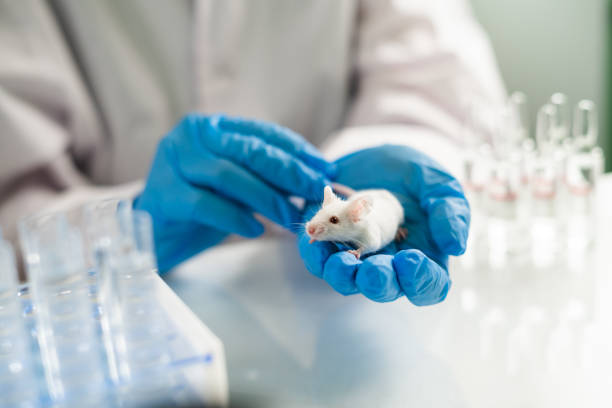
Entry-level individuals who assist in basic lab tasks like sample collection or data entry under supervision. They gain hands-on experience with veterinary tools and protocols. Their role builds foundational skills in animal research. They often support ongoing projects to learn scientific processes. This position is crucial for understanding the field before advancing to specialized roles.

Early-career professionals who conduct routine experiments and assist in data analysis in labs or field settings. They focus on specific tasks like pathogen testing or animal monitoring under guidance. Their work contributes to larger research or health projects. They often collaborate with senior scientists to validate results. Their contributions lay the groundwork for animal health advancements.
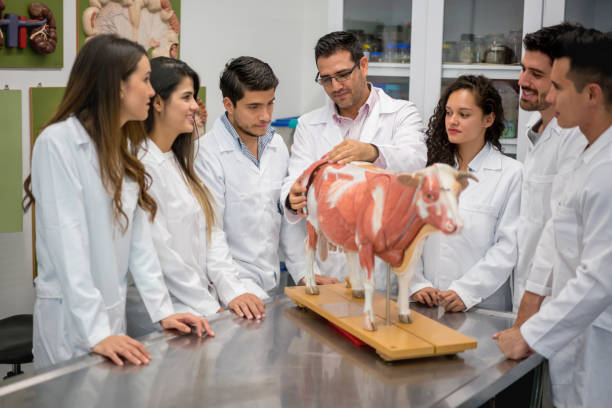
Mid-level professionals who design and execute experiments, often specializing in areas like veterinary microbiology or epidemiology. They analyze data and prepare reports for publications or project purposes. Their role involves troubleshooting experimental challenges and optimizing methods. They often mentor interns or junior staff. Their expertise is vital for advancing research objectives in veterinary science.

Professionals who lead independent research or health projects, applying veterinary principles to solve specific problems like disease outbreaks or vaccine efficacy. They ensure data accuracy and experimental rigor. Their role includes presenting findings to stakeholders or at conferences. They often collaborate with cross-functional teams for policy or product rollout. They are central to translating research into practical applications.

Experienced leaders who oversee complex veterinary research projects, managing teams and resources across multiple studies or regions. They handle high-level strategy, such as scaling health interventions for livestock, while mentoring junior staff. Their expertise lies in integrating emerging technologies like genomics. They ensure projects align with organizational or regulatory goals. Their leadership is essential for sustained innovation and impact.

Senior professionals who coordinate large-scale veterinary research initiatives, ensuring timely delivery of health or policy goals. They manage budgets, timelines, and cross-disciplinary teams while mitigating risks. Their role involves stakeholder communication, presenting progress to executives or government bodies. They ensure compliance with global standards. Their oversight is pivotal for successful project outcomes and industry readiness.
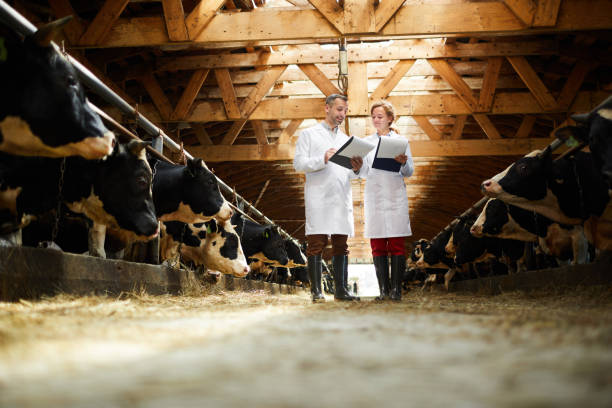
Top-tier executives responsible for the strategic direction of an organization’s veterinary research division. They develop long-term plans for animal health innovation, oversee large budgets, and ensure alignment with industry trends. Their role involves driving partnerships with academic or commercial entities. They champion cutting-edge research like antimicrobial alternatives. Their vision is critical for positioning the organization as a veterinary science leader.

Executive leaders who oversee all veterinary science operations within a research or agricultural firm, often reporting to the CEO. They shape policies for research integrity, innovation, and regulatory adherence across global operations. Their leadership drives adoption of transformative technologies like precision livestock farming. They represent the scientific face of the organization to investors and regulators. They play a key role in ensuring long-term competitiveness in veterinary science.
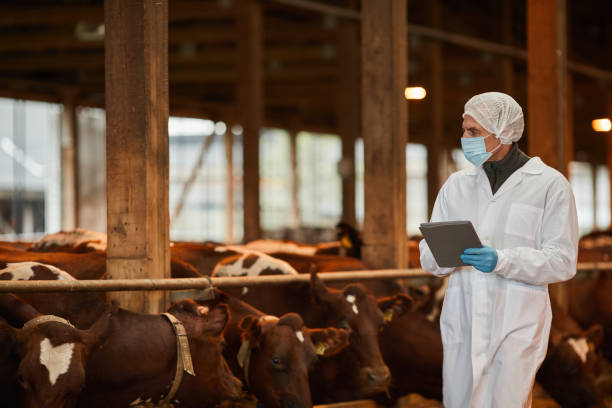
Highly experienced professionals who provide advisory services on veterinary research strategies, often working freelance or with consulting firms. They assist organizations in optimizing health projects, navigating regulatory landscapes, or improving animal welfare. Their expertise lies in diagnosing scientific or operational challenges and recommending solutions. They often guide startups or firms entering new veterinary markets. Their role is crucial for businesses aiming to innovate or scale sustainably.