
Certificate in Dairy and Poultry Management
The Certificate Course in Dairy and Poultry Management is a short-term vocational program designed for students who have completed Class 10 or an equivalent examination. This course provides foundational knowledge in animal husbandry, dairy and poultry production, and management practices...
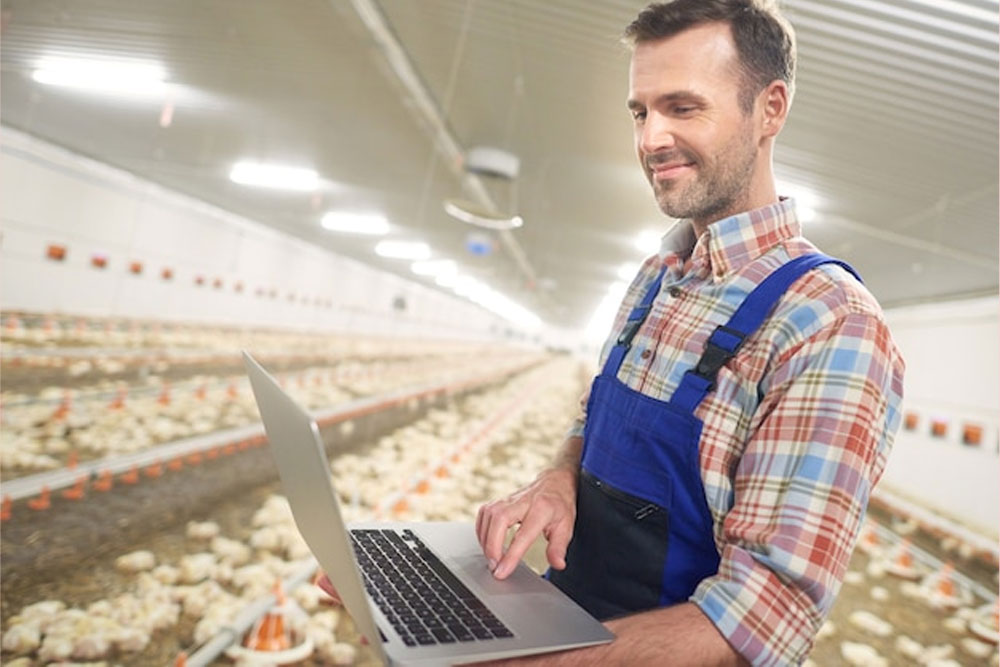
- Eligibility:
- Candidates must have passed Class 10 or an equivalent examination.
- A basic understanding of Mathematics and Science is beneficial, along with an interest in animal husbandry and agriculture.
- Admission Process:
- Application and Merit-Based Selection: Admissions are generally based on a straightforward application process and academic performance.
- Institute-Specific Procedures: Each training center or agricultural institute may have its own selection criteria. Some well-known centers offering Dairy and Poultry Management courses include:
- Government ITI, Mumbai
- Delhi ITI (Government ITI, Delhi)
- Government ITI, Chennai
- Government ITI, Pune
- Local Vocational Training Centers under state agricultural departments
- Private and NGO-run agricultural training centers
- Specific regional or institution-level requirements may apply. Prospective students should check with the respective center or local education authority for detailed admission guidelines and enrollment dates.
- Course Duration:
- Typically spans 3 to 6 months, depending on the curriculum depth and mode of instruction.
- Structure:
- Theory Classes: Cover fundamental topics such as animal physiology, nutrition, breeding, disease management, and basic farm economics.
- Practical Sessions: Hands-on training in dairy management (milking, milk handling, and quality control) and poultry management (housing, feeding, and health monitoring).
- Project Work: Assignments and mini-projects may include planning a small-scale dairy or poultry farm, analyzing production parameters, or developing a basic business plan.
- Assessment: Regular tests, practical evaluations, and a final project help ensure students have acquired the essential skills and knowledge.
Core Subjects:
- Introduction to Dairy and Poultry Management: Overview of the dairy and poultry industries, importance of sustainable practices, and current trends.
- Animal Husbandry Fundamentals: Basics of animal care, feeding, and management practices specific to dairy cattle and poultry.
- Nutrition and Feed Management: Understanding the nutritional requirements for optimal milk production and poultry growth, including feed formulation.
- Health and Disease Management: Preventive measures, common diseases, and basic veterinary care for dairy cattle and poultry.
- Milking and Milk Handling Techniques: Methods for efficient and hygienic milk extraction, storage, and quality control.
- Poultry Production Techniques: Management of poultry housing, egg production, broiler and layer management, and biosecurity measures.
- Basic Farm Economics: Fundamentals of budgeting, cost analysis, and marketing strategies for dairy and poultry products.
- Practical Workshops: Field visits, demonstrations, and hands-on sessions to simulate real-world farm management practices.
Technical Skills:
- Basic understanding of agricultural practices and animal care.
- Familiarity with simple farm tools and equipment.
- Ability to follow standard operating procedures in animal husbandry.
- Willingness to learn practical techniques in dairy milking, poultry rearing, and feed management.
- Basic record-keeping skills for tracking production and health parameters.
Soft Skills:
- Strong observation and problem-solving skills.
- Effective communication for team coordination and customer interactions.
- Time management and organizational skills for managing daily farm operations.
- Adaptability to work in outdoor and sometimes challenging environments.
- Passion for sustainable agriculture and animal welfare.
Pros:
- Rapid Skill Acquisition: The short-term format allows students to quickly gain practical, job-ready skills in dairy and poultry management.
- Cost-Effective: Generally lower fees compared to full-degree programs in agriculture or animal husbandry.
- Immediate Employability: Equips students with foundational skills needed for entry-level roles in dairy farms, poultry farms, or agro-based industries.
- Sustainable Focus: Emphasizes eco-friendly and sustainable farming practices, which are increasingly in demand.
- Foundation for Further Studies: Serves as a stepping stone for advanced studies in agriculture, veterinary science, or agribusiness.
Cons:
- Limited Theoretical Depth: Focuses primarily on practical skills with less emphasis on advanced agricultural science.
- Entry-Level Focus: Prepares students mainly for basic roles; further education or on-the-job experience may be needed for managerial positions.
- Seasonal Dependency: Practical training may be influenced by seasonal variations in farming practices.
- Variability in Quality: Course quality and facilities can vary between institutions and regions.
- Hands-On Workshops: Practical sessions on farms or demonstration plots provide direct experience with milking techniques, feed preparation, and poultry management.
- Project-Based Learning: Assignments such as designing a small dairy or poultry operation plan allow students to apply theoretical concepts to real-world scenarios.
- Field Visits and Demonstrations: Visits to organic dairy farms, poultry farms, and agricultural research centers offer insights into current practices and technological innovations.
- Soft Skills Enhancement: Modules on teamwork, record-keeping, and basic business communication prepare students for effective farm management and customer interactions.
- Government Support and Schemes: Many government initiatives under the National Skill Development Mission and agricultural extension programs offer subsidized training in dairy and poultry management.
- Cost and Accessibility: Certificate courses in Dairy and Poultry Management are generally affordable and available through both government and private agricultural training centers.
- Regional Variations: While the core curriculum remains standardized, elective modules, training methods, and facility quality may vary by institution. Prospective students should research local offerings carefully.
- Future Educational Pathways: This certificate course serves as a foundation for further studies in food technology, agribusiness, or environmental management, opening avenues for advanced career opportunities in sustainable agriculture.
Entry-Level Opportunities:
- Dairy Farm Assistant: Roles assisting in daily dairy operations, including milking, feed management, and quality control.
- Poultry Farm Technician: Entry-level positions supporting poultry rearing, egg production, and health management.
- Field Technician: Positions in monitoring and maintaining farm operations in dairy or poultry settings.
- Quality Control Assistant: Roles focused on ensuring the quality and safety of dairy products or poultry outputs.
Career Progression:
- Mid-Level Roles: With experience, graduates can progress to positions such as Farm Supervisor, Production Manager, or Technical Officer in dairy or poultry farms.
- Advanced Opportunities: Further studies or certifications can lead to specialized roles in agribusiness management, veterinary support, or sustainable farm management.
- Entrepreneurship: Graduates may start their own organic dairy or poultry ventures or work in cooperative farming setups.
- Continued Learning: Advanced courses in animal nutrition, farm management, or agribusiness can further enhance career prospects and lead to higher managerial positions.
Key Employment Sectors:
- Organic Dairy and Poultry Farms: Employment in farms focusing on sustainable and organic production methods.
- Food Processing Companies: Roles in companies that process dairy or poultry products for retail markets.
- Agribusiness Cooperatives: Positions in cooperatives promoting small-scale, community-based farming.
- Government and Public Sector: Opportunities in government-supported agricultural projects or rural development programs.
- Retail Organic Markets: Employment in organic food markets and specialty stores focusing on healthy produce.
Examples of Potential Employers:
- Dairy Companies: Established brands like Amul, Mother Dairy, or local dairy cooperatives.
- Poultry Enterprises: Commercial poultry farms or integrated poultry production companies.
- Agribusiness Firms: Small to mid-sized companies focused on sustainable agriculture.
- Government Agencies: Departments of agriculture or rural development promoting organic farming practices.
- Self-Employment: Opportunities for freelance consultants or entrepreneurs starting their own organic ventures.
The Certificate Course in Dairy and Poultry Management after Class 10 offers a practical, industry-focused education that equips students with the essential skills needed for sustainable and eco-friendly farming practices. With a strong emphasis on hands-on training, project-based learning, and exposure to modern agricultural techniques, the course prepares graduates for entry-level roles in dairy and poultry farms, as well as for further studies in agribusiness and food technology. Although it provides a foundational level of knowledge compared to advanced agricultural programs, its affordability, rapid skill acquisition, and alignment with current sustainability trends make it an excellent option for students seeking a rewarding career in the organic agriculture sector.