Have you ever sat at the top of a giant roller coaster, looking down at a huge drop? Your heart races, your hands get sweaty, and it feels like something dangerous is about to happen.
The exciting part is that it only feels dangerous.
Every twist, turn, loop, and drop has been carefully planned by Theme Park Engineers. These engineers use science, technology, and mathematics to create thrilling rides that are exciting while keeping riders safe.
If you enjoy physics, mathematics, problem solving, and building things, but do not want to spend your career designing ordinary roads or buildings, theme park engineering could be an exciting career to explore.
The Science Behind Every Roller Coaster
A roller coaster is one of the best examples of physics in action.
Unlike many people think, most roller coasters do not have engines that keep pushing them throughout the ride. The train is pulled to the top of the first hill, and after that, gravity does almost all the work.
As the coaster climbs the first hill, it stores energy because of its height.
Once it reaches the top and starts moving downhill, that stored energy changes into motion, making the coaster race through loops, curves, and drops.
Throughout the ride, the coaster keeps changing height into speed and speed back into height until it finally slows down.
Why Don't Riders Fall Out During Loops?
One of the biggest questions people ask is how riders stay safely in their seats when the coaster goes upside down.
The answer is careful engineering.
When the coaster enters a loop, it is moving at exactly the right speed. The track guides the train through the loop while special safety restraints keep riders secure.
The faster the train moves and the shape of the loop both affect how riders feel during the ride. Engineers carefully calculate these values so the ride is exciting but comfortable.
Why Roller Coaster Loops Are Not Perfect Circles
If you look closely at modern roller coasters, you will notice that their loops are not perfectly round.
Instead, they are wider at the bottom and narrower at the top.
This design makes the ride much smoother.
Many years ago, engineers built circular loops. Riders experienced sudden, uncomfortable forces that caused neck pain and dizziness.
Modern loop designs spread these forces more evenly, making rides safer and much more enjoyable.
Understanding G Forces
When you ride a roller coaster, your body experiences different forces called G forces.
Positive G forces push you down into your seat. You usually feel these at the bottom of big drops.
Negative G forces make you feel weightless, as if you are floating. This creates the famous stomach drop feeling that many people love.
Sideways forces push your body from one side to the other. Engineers reduce these by tilting the tracks during turns so the ride feels smooth instead of uncomfortable.
Every roller coaster is carefully designed to keep these forces within safe limits.
Careers in Theme Park Engineering
Designing a roller coaster requires experts from many engineering fields.
Mechanical Engineering
Mechanical engineers design the roller coaster trains, wheels, moving parts, and track systems. They calculate how the ride will move and ensure every part works safely.
Electrical and Control Systems Engineering
Modern rides use computers, sensors, motors, and automatic safety systems. Electrical engineers design these systems to monitor every ride and ensure everything operates correctly.
Civil and Structural Engineering
Roller coasters are huge structures that must safely support thousands of riders every day. Structural engineers design the foundations and support systems that keep the entire ride stable in all weather conditions.
How High School Students Can Prepare
If this career interests you, you can start preparing while you are still in school.
Build a strong foundation in mathematics and physics. Topics such as forces, motion, energy, and mechanics are especially important.
Practice solving problems because engineering is all about finding smart solutions.
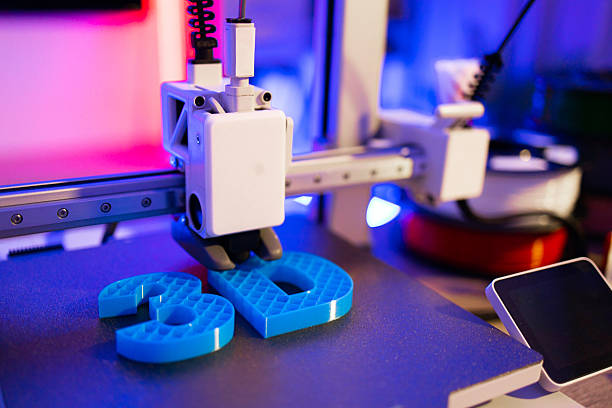
Learn computer design software and basic 3D modelling. These skills help engineers create and test their ideas before building them.
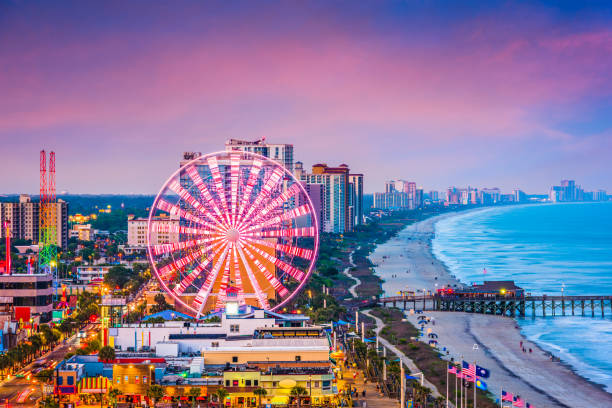
Visit amusement parks with an engineer's mindset. Instead of only enjoying the ride, observe how the tracks are shaped, how the turns are tilted, and how the trains slow down at the end of the ride.
The more you observe, the more you will understand how science creates excitement.
Final Thoughts
Every thrilling roller coaster begins with an idea and a team of engineers who understand how physics works.
Theme Park Engineers combine science, mathematics, creativity, and technology to design experiences that millions of people enjoy every year.
If you love solving problems, enjoy learning how things work, and dream of creating unforgettable experiences, this could be one of the most exciting engineering careers to explore.