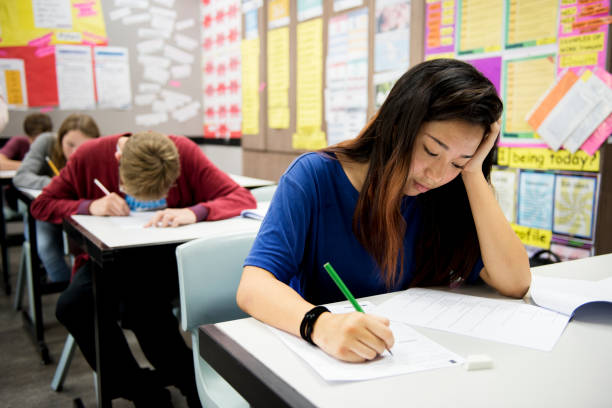

As teenagers grow older, one of the most important skills they need to develop is the ability to manage their time without constant supervision. Parents often spend years reminding their children to wake up, study, complete assignments, prepare for examinations and meet deadlines. While this support is natural and helpful, teenagers cannot depend on reminders forever. College, work and adult life require people to manage their own responsibilities, which is why the teenage years are the right time to gradually shift responsibility from parents to teenagers.
The goal is not to leave teenagers completely on their own or expect them to become perfectly organised overnight. It is to gradually move from constant supervision towards guidance, trust and accountability. When teenagers learn how to plan, prioritise and take responsibility for their own time, they develop an important skill that will support them throughout their academic and professional lives.
Stop Being the Constant Reminder
Many parents unintentionally become their teenager's personal reminder system. They remind them to finish homework, start studying, prepare for examinations and complete important tasks. Over time, teenagers can become dependent on these reminders and may wait for someone else to tell them what needs to be done instead of taking responsibility themselves.
Instead, encourage your teenager to create their own system. A planner, calendar, diary or phone reminder can help them keep track of assignments, examinations, activities and deadlines. You may initially help them set up the system, but they should gradually become responsible for checking it and managing their own commitments.
A simple change in the way parents communicate can also make a difference. Instead of repeatedly asking, “Have you finished your homework?” ask, “What do you need to get done today?” This encourages teenagers to think about their responsibilities rather than simply responding to a parent's reminder.
Help Them Plan Without Planning Everything for Them
Teenagers may need guidance when learning how to organise their time, but there is an important difference between teaching them how to plan and planning every hour for them. Parents can encourage teenagers to look at the week ahead, identify important tasks and deadlines, and decide how they want to manage everything.
If their plan seems unrealistic, discuss it with them instead of immediately taking control. They may need to learn through experience that a project takes longer than expected or that leaving everything until the last minute creates unnecessary stress. These experiences can help them become more realistic about how they use their time.
Planning does not have to involve a rigid timetable. The purpose is simply to develop the habit of thinking ahead. Teenagers should gradually learn to ask themselves what needs to be done, how long it may take and when they can realistically complete it.
Teach Them How to Prioritise
Teenagers often have many things competing for their attention. Homework, projects, examinations, hobbies, friendships, social media and family responsibilities can all demand time. Without learning how to prioritise, they may spend hours doing enjoyable but less important activities while delaying urgent tasks.
Parents can help teenagers develop a simple habit of asking themselves: What needs my attention first? What is most important? What can wait until later? Understanding the difference between urgent and less urgent responsibilities can help them make better decisions about how to use their time.
Prioritising does not mean that teenagers should spend every available hour studying. Free time, hobbies and social activities are also important. Good time management is about making conscious choices and finding a balance between responsibilities and personal life.
Allow Them to Experience Small Consequences
One of the most effective ways teenagers learn time management is through experience. If parents constantly rescue their children from forgotten assignments, missed deadlines or poor planning, teenagers may never fully understand the consequences of their choices.
Whenever the consequences are manageable, allow your teenager to take responsibility. If they delay a task until the last minute, resist the urge to immediately solve the problem for them. Afterwards, discuss what happened and ask what they could do differently next time.
The purpose is not to punish teenagers or make them feel guilty about mistakes. It is to help them understand the connection between their decisions and the results they experience. Small mistakes during the teenage years can become valuable lessons before they face greater responsibilities in college and adult life.
Help Them Understand Distractions
Teenagers today have constant distractions competing for their attention. Phones, social media, games, videos and notifications can easily interrupt concentration. However, simply banning every distraction does not necessarily teach teenagers how to manage their attention independently.
Instead, encourage your teenager to become aware of their own habits. They can think about how often they check their phone while studying or how much time disappears while scrolling through social media. Once they recognise these patterns, they can experiment with strategies that work for them.
Some teenagers may prefer keeping their phone in another room while studying, while others may work better by setting aside a specific period for focused work followed by a short break. The goal is not to control every minute of their day but to help them develop the self-awareness needed to manage distractions without constant supervision.
Teach the Difference Between Being Busy and Being Productive
A teenager can spend an entire day feeling busy without actually completing anything important. Constantly moving between messages, homework, social media and other activities can create the feeling of being active while very little meaningful work gets done.
Encourage your teenager to focus on one important task at a time whenever possible. They can begin the day by identifying two or three priorities they genuinely want to complete. This gives them a sense of direction without making their schedule unnecessarily complicated.
Learning how to focus can help teenagers complete work more efficiently and leave more time for relaxation and other activities. This is also an important skill for college and the workplace, where people are often expected to manage several responsibilities without someone supervising how they use every hour.
Respect Their Need for Free Time
Teaching teenagers to manage time does not mean filling every hour with studying or productive activities. Teenagers need time for hobbies, friendships, relaxation and rest. Free time is not automatically wasted time.
Parents can help teenagers understand that good time management is about balance. Completing important responsibilities allows them to enjoy their free time without unnecessary stress or guilt. At the same time, teenagers should understand that constant entertainment and procrastination can create problems when important work is ignored.
When young people learn how to create this balance themselves, they are more likely to maintain healthy routines when parental supervision decreases.
Encourage Them to Review Their Own Progress
Time management is a skill that develops through reflection and experience. Teenagers should occasionally think about what is working and what is not. Which tasks took longer than expected? What distracted them? When do they concentrate best? What could they do differently next time?
This process helps teenagers understand their own habits rather than simply following a system created by someone else. There is no single perfect routine that works for everyone. Some teenagers may work better at one time of day, while others may need a different approach.
As responsibilities change, routines may also need to change. The ability to recognise what is not working and make adjustments is an important part of managing time independently.
Avoid Turning Time Management Into a Power Struggle
Constant criticism, repeated lectures and arguments can turn time management into a daily conflict. Instead of focusing only on what your teenager is doing wrong, try discussing what they are struggling with and what they are trying to achieve.
Sometimes a teenager may need help breaking a large task into smaller steps. At other times, they may simply need the freedom to manage the situation themselves. Parents should remain available as guides without becoming permanent supervisors.
This requires patience. Teenagers will make mistakes and may not always use their time perfectly. However, learning to recognise mistakes and adjust their approach is far more valuable than simply following instructions while someone else is watching.
Model Good Time Management
Teenagers learn not only from what parents say but also from what they observe. Parents can demonstrate healthy time management by talking about how they prioritise tasks, manage unexpected responsibilities and adjust when plans change.
You do not need to follow a perfect routine. In fact, showing teenagers how you adapt when something does not go according to plan can be an important lesson. When they see that adults also need to plan, prioritise and occasionally adjust their schedules, they begin to understand that time management is a skill developed through practice.
Final Thoughts
Helping teenagers manage time without supervision is about gradually replacing constant reminders and control with responsibility, trust and guidance. By teaching them to plan, prioritise, manage distractions, learn from mistakes and review their own progress, parents can help them develop the independence they will need for college, work and adult life.