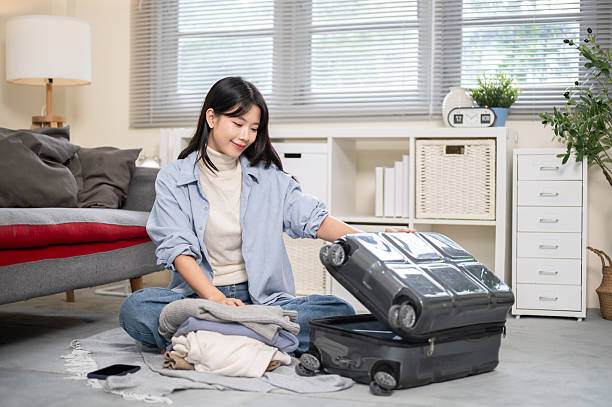

For teenagers, summer break can mean sleeping late, catching up on shows, meeting friends and enjoying a welcome break from school. For parents, however, it can sometimes raise a different question: How can my child make the most of all this free time?
Summer does not need to become an extension of the school year. Teenagers need time to rest and recharge. At the same time, a long break can be a wonderful opportunity to explore interests, learn new skills, spend time with family and gain experiences that may not fit into a busy school schedule.
The key is finding a healthy balance between relaxation and purposeful activities.
Let Them Rest First
After months of classes, assignments, exams and extracurricular commitments, teenagers may genuinely need a break. Allowing them some unstructured time can help them recover from academic fatigue and return to school feeling refreshed.
Resist the temptation to fill every day with classes, courses and activities. Rest is not wasted time. Teenagers also need opportunities to sleep adequately, socialise, play and simply do nothing for a while.
A relaxed beginning to the holiday can make it easier for them to engage enthusiastically with other activities later.
Encourage Them to Explore an Interest
Summer provides the time to explore something simply because it is interesting. It could be photography, cooking, coding, music, writing, gardening, sports, filmmaking, reading or learning a new language.
The activity does not necessarily have to be connected to a future career. Exploration itself is valuable because teenagers often discover interests and abilities when they have the freedom to try something without academic pressure.
Ask your child what they have always wanted to learn or try, rather than deciding the activity for them.
Help Them Learn a Skill
A summer break can also be a good time to develop practical skills that school may not always teach.
Depending on their age and interests, teenagers could learn:
- Basic cooking and household skills
- Financial and budgeting basics
- Public speaking
- Coding or digital skills
- First aid
- Photography or video editing
- Time management and organisation
Learning something practical can give teenagers greater independence and confidence.
Encourage Reading Without Making It Homework
Summer is an excellent opportunity for teenagers to read outside their prescribed school material. Let them choose books based on their interests, whether that means fiction, biographies, science, history, current affairs or graphic novels.
Parents can encourage reading by discussing books rather than testing their children on them. Sharing recommendations or occasionally reading together can also turn reading into an enjoyable family activity.
The objective is to help teenagers associate reading with curiosity and pleasure, rather than another academic obligation.
Give Them Opportunities to Be Independent
One of the most valuable things teenagers can gain during a long break is greater independence.
Give them opportunities to manage small responsibilities themselves. They might plan a family outing, prepare a meal, manage a small budget, organise their room or take responsibility for a household task.
Older teenagers may also explore volunteering, internships, part-time opportunities where appropriate, or short-term projects.
These experiences teach decision-making and responsibility in ways that a classroom often cannot.
Make Time for Family
Teenagers may appear increasingly independent, but family time still matters. Summer breaks can provide opportunities to reconnect without the pressure of school schedules.
A family holiday is not the only way to do this. Cooking together, taking walks, watching a film, playing a game or simply having regular meals together can create opportunities for conversation.
Parents should also remember that teenagers may prefer some independence during family activities. Giving them a voice in planning can make shared time more enjoyable.
Encourage Physical Activity
Long school breaks can easily lead to teenagers spending more time indoors and on screens. Encourage some form of regular physical activity without turning it into a battle.
It could be a sport they already enjoy, swimming, cycling, walking, dancing, gym sessions or simply spending time outdoors with friends.
The aim is not necessarily athletic achievement. Regular movement can support energy, routine and overall well-being.
Set Healthy Boundaries Around Screens
Completely banning screens during the holidays is rarely realistic, but unlimited screen time can quickly take over the day.
Rather than focusing only on the number of hours, establish reasonable household expectations around sleep, meals, physical activity and responsibilities. For example, keeping phones away during family meals or avoiding screens immediately before bedtime can create healthier habits.
Teenagers are also more likely to respect boundaries when parents explain the reasoning behind them and apply expectations consistently.
Let Summer Be Their Summer
Parents naturally want teenagers to use their time productively, but not every summer activity needs to become an achievement.
A teenager might spend part of the holiday learning something new and another part simply enjoying time with friends. Both have value.
Avoid comparing your child's summer with what other teenagers are doing. One child may attend a structured programme, while another may spend the summer reading, playing sport or exploring a personal project.
There is no single definition of a “productive” summer.
Create a Simple, Flexible Routine
Teenagers generally benefit from some structure, but a holiday schedule should not look like a school timetable.
A simple routine could include regular sleep, some physical activity, time for an interest or skill, family time and plenty of free time. Let teenagers have a say in how they organise their days.
This gives them practice in managing their own time while still providing enough structure to prevent the entire holiday from disappearing into late nights and endless scrolling.
Final Thoughts
Summer breaks offer teenagers something they rarely have during the school year: time. How they use that time does not need to be measured entirely in achievements.
The best summers often include a combination of rest, fun, exploration, learning, friendships and family. Parents can guide teenagers towards meaningful experiences while also giving them the freedom to decide what matters to them.
Instead of asking, “What did you accomplish this summer?”, sometimes the better question is, “What did you enjoy, discover or learn about yourself?”
That is what can make a summer truly worthwhile.