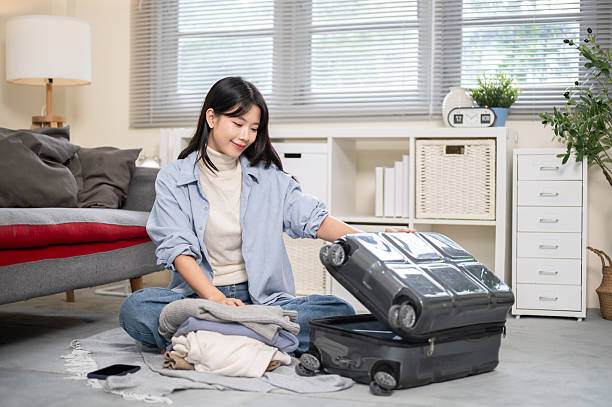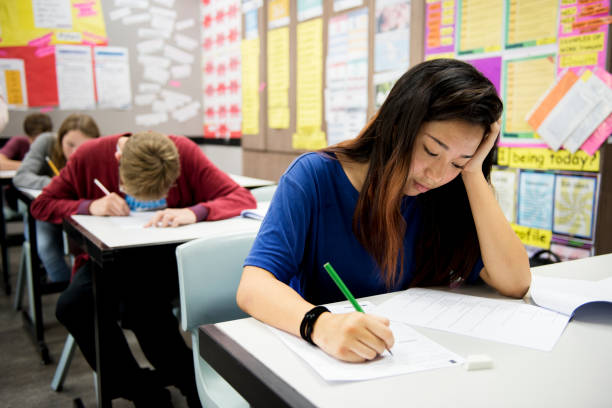

The teenage years bring a growing desire for independence. Teens want to make their own choices about friends, activities, appearance, technology, academics and eventually their careers. While this growing independence is an important part of development, it can also lead to impulsive choices, especially when emotions, peer pressure or the desire to fit in are involved.
Parents cannot make every decision for their teenagers. More importantly, they should not have to. The long-term goal is to help teens develop the ability to think through choices, understand consequences, manage emotions and take responsibility for their decisions.
Healthy decision-making is not about always making the “right” choice. It is about learning how to make thoughtful choices and learning from the outcomes.
A. Why Decision-Making Skills Matter During the Teen Years
Teenagers are increasingly expected to make decisions on their own. They may have to decide how to manage their study time, choose friendships, respond to social situations, use social media responsibly, handle money, select activities and eventually make education and career choices.
Some decisions may seem small, but they help develop habits that can influence bigger decisions later.
A teenager who learns to pause before reacting, consider different options and think about consequences is gradually developing an important life skill.
The aim is not to prevent every poor decision. It is to help teenagers become capable of making decisions without constantly depending on someone else to tell them what to do.
B. Give Your Teen Age-Appropriate Choices
One of the simplest ways to develop decision-making skills is to give teenagers opportunities to make appropriate choices.
Parents may be tempted to make decisions because it is quicker and easier. However, if adults always decide everything, teenagers get fewer opportunities to practise decision-making.
Instead of deciding every detail, parents can offer choices.
- “Would you prefer to complete your homework before dinner or after dinner?”
- “Which activity would you like to pursue this term?”
- “Would you rather save for this purchase or use part of your allowance?”
The choices should have reasonable boundaries, but the teenager should have genuine involvement in the decision.
Gradually increasing responsibility helps teenagers become more confident decision-makers.
C. Teach Your Teen to Pause Before Reacting
Many teenage decisions happen in moments of strong emotion.
Anger, excitement, embarrassment, frustration, fear or peer pressure can make it difficult to think clearly.
Parents can teach teenagers to develop a simple habit:
Pause- Think -Choose.
Before sending an angry message, making an impulsive purchase, responding to a friend or agreeing to something under pressure, encourage them to pause and ask:
- “Do I really want to do this?”
- “What could happen next?”
- “Will I still feel good about this decision tomorrow?”
A short pause can sometimes prevent a decision that a teenager may later regret.
D. Help Them Look at the Consequences
Teenagers may focus heavily on what they gain immediately from a decision while giving less attention to what might happen later.
For example, staying up late may seem enjoyable in the moment, but the teenager may not think about how tired they will feel during an examination the next morning.
Instead of simply saying, “Don't do that,” parents can ask:
“What do you think might happen if you choose this?”
Encourage teenagers to think about both short-term and long-term consequences.
A useful approach is:
- If I do this, what happens next?
- What happens after that?
This helps teenagers move beyond immediate reactions and consider the bigger picture.
E. Encourage Them to Consider More Than One Option
Sometimes teenagers think they have only two choices: do something or don't do it.
Parents can help them look for alternatives.
For example, if a teenager is struggling with an overloaded schedule, the choices may not simply be “continue everything” or “quit everything.”
There may be other options:
- Reduce the number of activities.
- Change the schedule.
- Ask for help.
- Take a short break.
- Prioritise the most important commitment.
Teaching teenagers to look for alternatives encourages flexible thinking and problem-solving.
F. Separate Facts, Feelings and Assumptions
Emotions are important, but they do not always provide the complete picture.
A teenager may say:
- “My friend hates me.”
- “I am definitely going to fail.”
- “Everyone thinks I'm embarrassing.”
These statements may reflect genuine emotions, but they may not necessarily be facts.
Parents can gently ask:
- “What do you know for certain?”
- “What are you assuming?”
- “Could there be another explanation?”
This helps teenagers distinguish between what they feel, what they know and what they assume.
That distinction becomes increasingly valuable as they navigate friendships, social media, academics and future choices.
G. Teach Them to Recognise Peer Pressure
Peer influence becomes particularly powerful during adolescence. Teenagers may sometimes make choices because they want to fit in, avoid rejection or impress their friends.
Instead of simply warning, “Don't follow your friends,” parents can help teenagers recognise pressure for themselves.
Teach them to ask:
- “Would I make this choice if nobody else was doing it?”
- “Am I doing this because I want to or because I am afraid of being left out?”
- “What would I tell a friend to do in this situation?”
It can also help to practise responses to uncomfortable situations.
- “No, I'm not comfortable with that.”
- “That's not for me.”
- “I'm going to leave.”
Knowing what to say before pressure occurs can make it easier to respond confidently in the moment.
H. Avoid Turning Every Decision Into a Lecture
Parents naturally want to share their experience. However, constantly explaining what a teenager “should have done” can make them stop discussing decisions altogether.
Instead of turning every poor decision into a long lecture, try asking questions.
- “What do you think went wrong?”
- “What would you do differently next time?”
- “What did you learn from this?”
This encourages reflection rather than defensiveness.
The goal is not to make teenagers feel guilty about every mistake. It is to help them become better at evaluating their own decisions.
I. Let Them Experience Reasonable Consequences
Protecting teenagers from every consequence can unintentionally prevent them from learning.
If a teenager forgets to complete an assignment, for example, immediately contacting the teacher and fixing everything may solve the immediate problem but remove an opportunity for the teenager to learn responsibility.
Whenever the situation is safe, parents can allow reasonable natural or logical consequences.
This does not mean abandoning teenagers when they struggle. It means allowing them to experience manageable outcomes while remaining available to support and guide them.
A teenager who learns that choices have consequences is better prepared for the greater responsibilities of adulthood.
J. Teach Them That Asking for Help Is Also a Decision
Being independent does not mean doing everything alone.
One of the most important decision-making skills is knowing when to seek help.
Teenagers should understand that asking a parent, teacher, counsellor, coach or another trusted adult for guidance is not a sign of weakness.
Parents can say:
“You don't have to figure everything out by yourself. When you're unsure, asking someone you trust is also a smart decision.”
This is particularly important when a situation involves safety, serious emotional distress, bullying, online risks or other circumstances that require adult support.
K. Use Everyday Situations as Learning Opportunities
Decision-making skills do not have to be taught through formal lessons.
Everyday life provides opportunities.
Planning a family outing can involve comparing options and budgets.
Shopping can involve discussing needs versus wants.
Planning study time can involve prioritising tasks.
Choosing extracurricular activities can involve weighing interests, time and commitments.
Discussing a news story can involve considering different perspectives.
These ordinary conversations help teenagers practise thinking through choices without feeling as though they are being tested.
L. Let Your Teen See You Make Decisions
Parents are powerful role models.
Teenagers observe how adults respond to mistakes, handle disagreements, spend money, manage stress and make difficult choices.
Parents can make this learning visible by explaining their thinking occasionally.
For example:
“We have several things we could spend money on, but this month we're going to prioritise this because it is more important.”
Or:
“I'm feeling angry right now, so I'm going to take some time before responding.”
Such moments demonstrate that good decision-making is not about never feeling emotional or uncertain. It is about learning how to manage those feelings while making thoughtful choices.
M. Help Them Learn From Decisions—Not Just Judge Them
Every decision will not produce the expected result.
Sometimes a teenager may make a thoughtful choice and still experience an unexpected outcome. That does not necessarily mean the decision was foolish.
After an important decision, encourage reflection:
- What did I expect to happen?
- What actually happened?
- What worked?
- What didn't work?
- What would I do differently next time?
This turns experience into learning.
Over time, teenagers begin to understand that decision-making is a process rather than a search for perfect answers.
Final Thoughts
Healthy decision-making is one of the foundations of independence. Teenagers need opportunities to make choices, experience reasonable consequences, reflect on their experiences and gradually take greater responsibility for their lives.
Parents do not need to eliminate every wrong decision from their teenager's journey. Instead, they can provide something much more valuable: the skills and confidence to navigate decisions independently.
Give your teenager room to think. Ask questions instead of always giving answers. Allow reasonable mistakes. Encourage reflection. Set boundaries when safety requires them, but also create opportunities for growing independence.
The ultimate goal is not to raise a teenager who always makes the decision their parents would make.
It is to raise a young person who can pause, think, evaluate, choose, take responsibility and learn—even when their parents are no longer standing beside them.